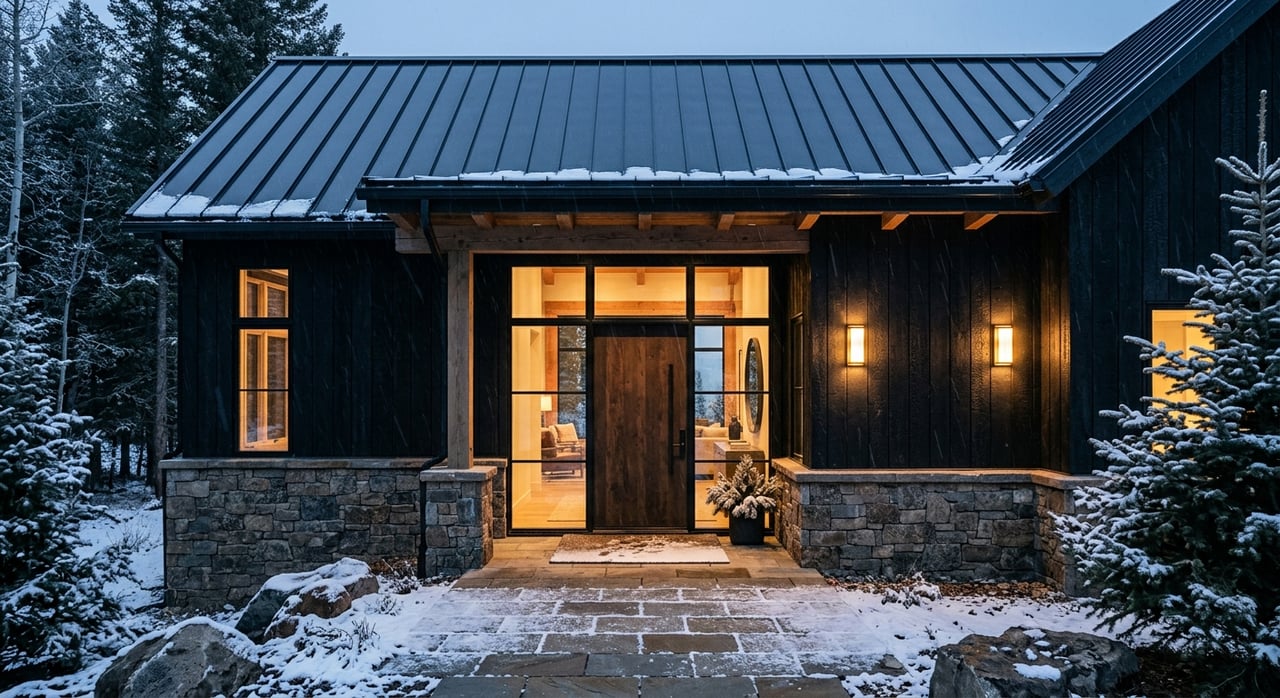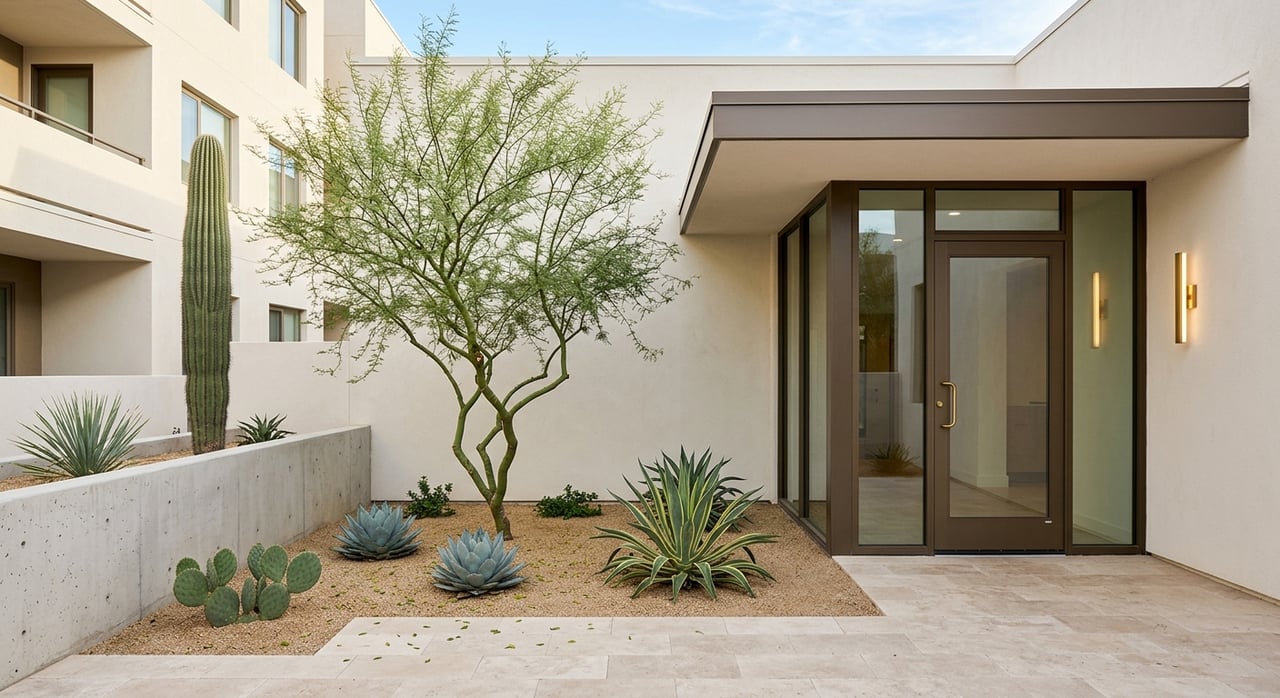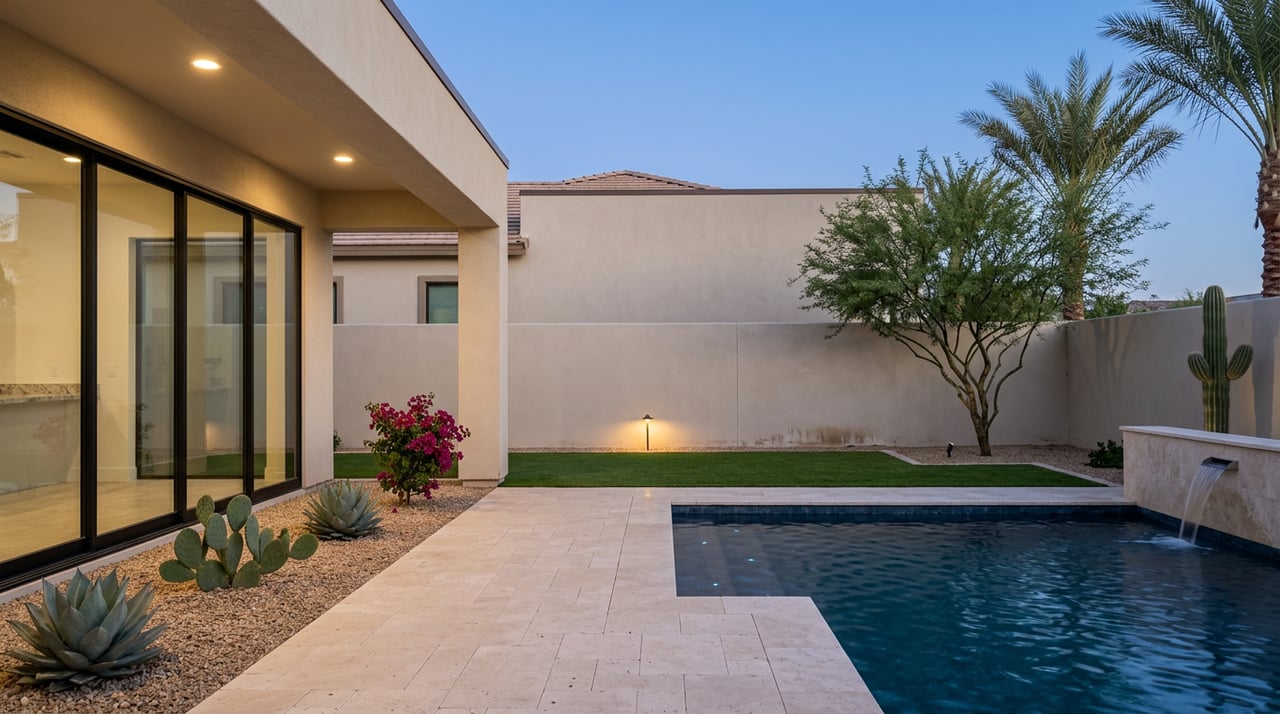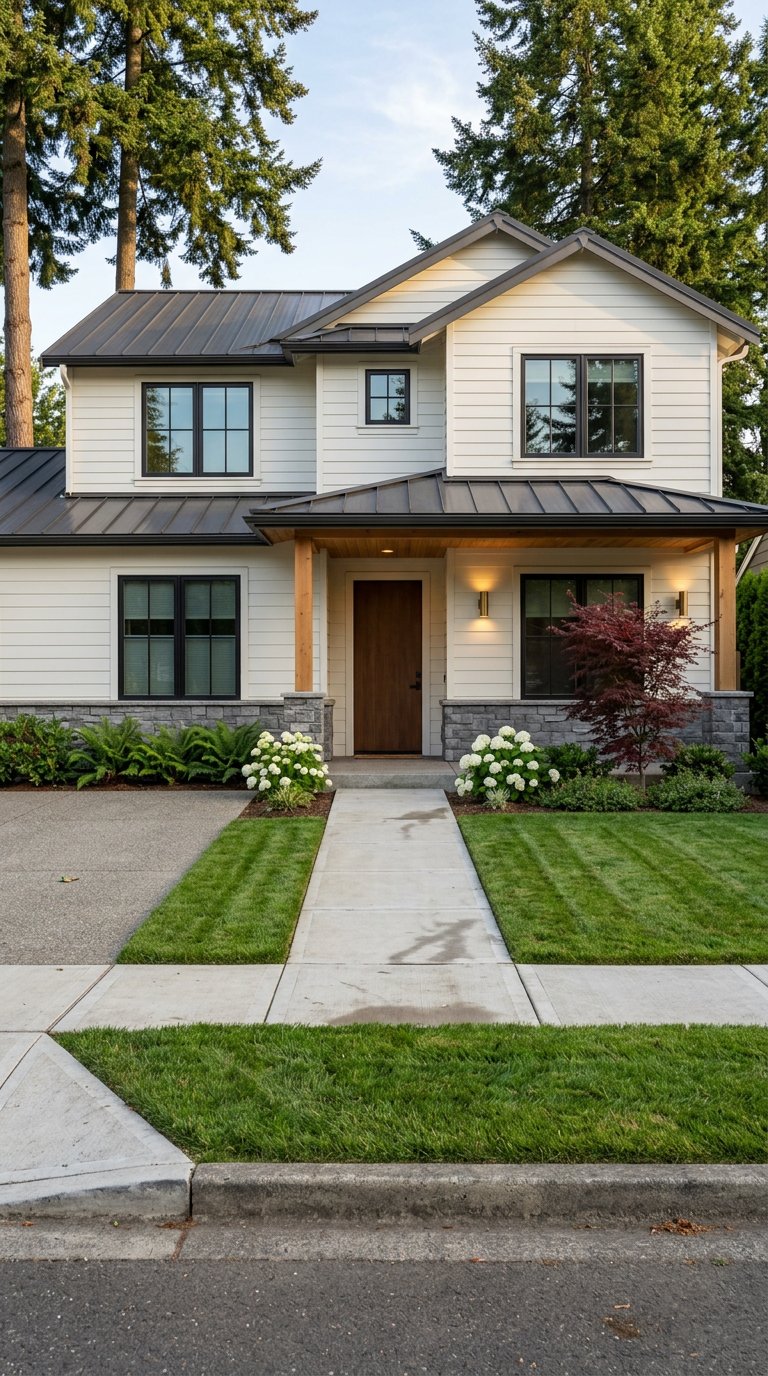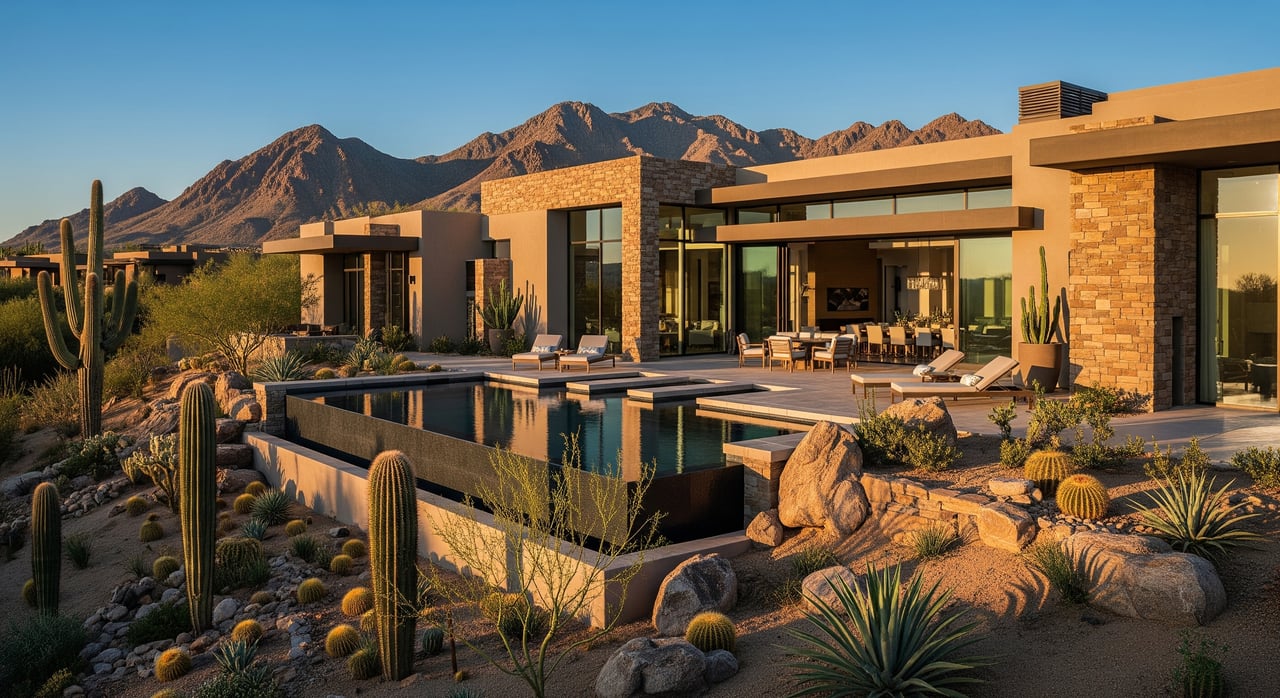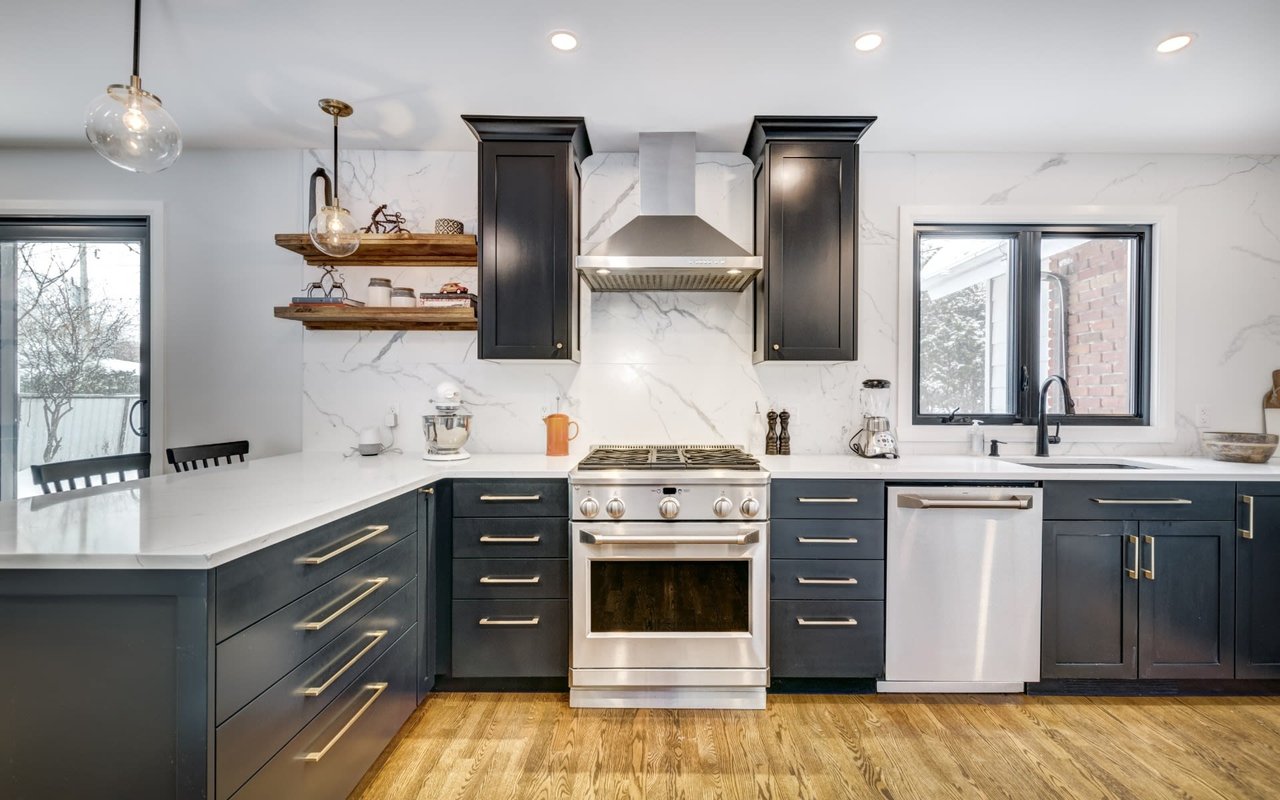

Should you choose the lock-and-leave ease of a luxury condo or the privacy and space of a Bellevue estate? If you split time between work, travel, and family, the choice can feel complex. You want comfort, convenience, and long-term value without surprises. This guide walks you through real differences in costs, lifestyle, commute, neighborhoods, schools, and resale so you can decide with confidence. Let’s dive in.
Market snapshot: Bellevue choices today
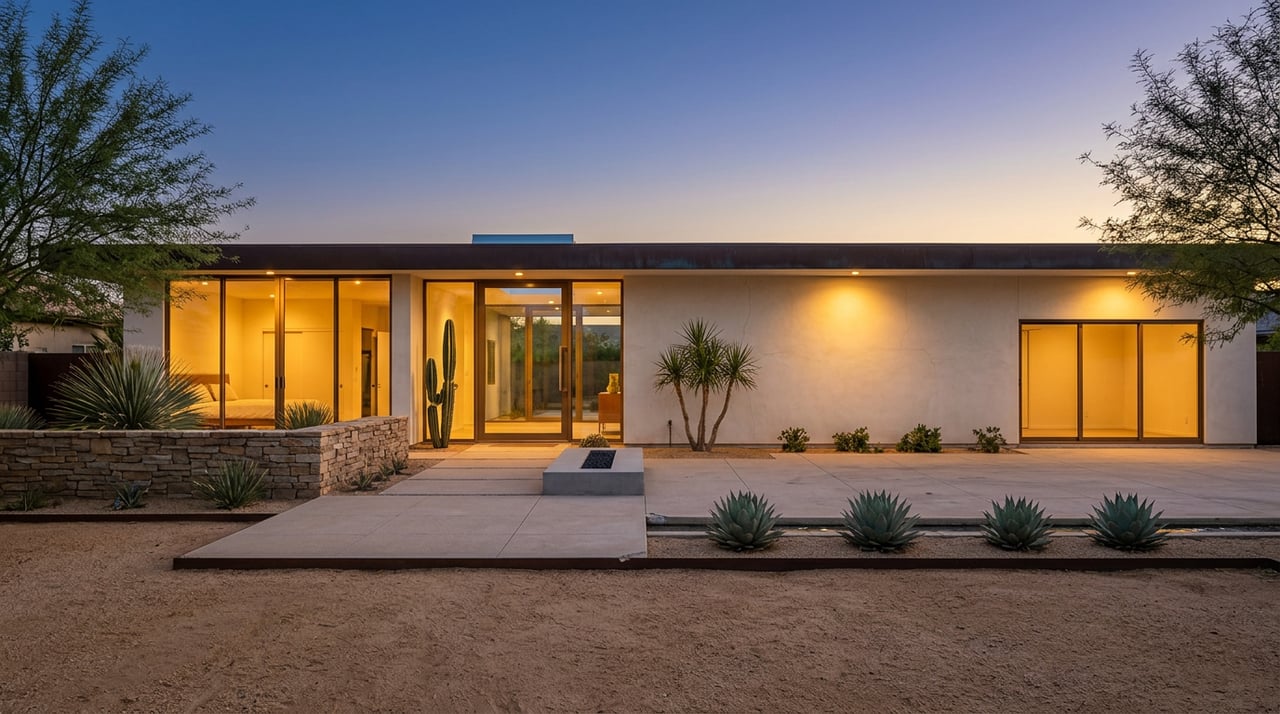
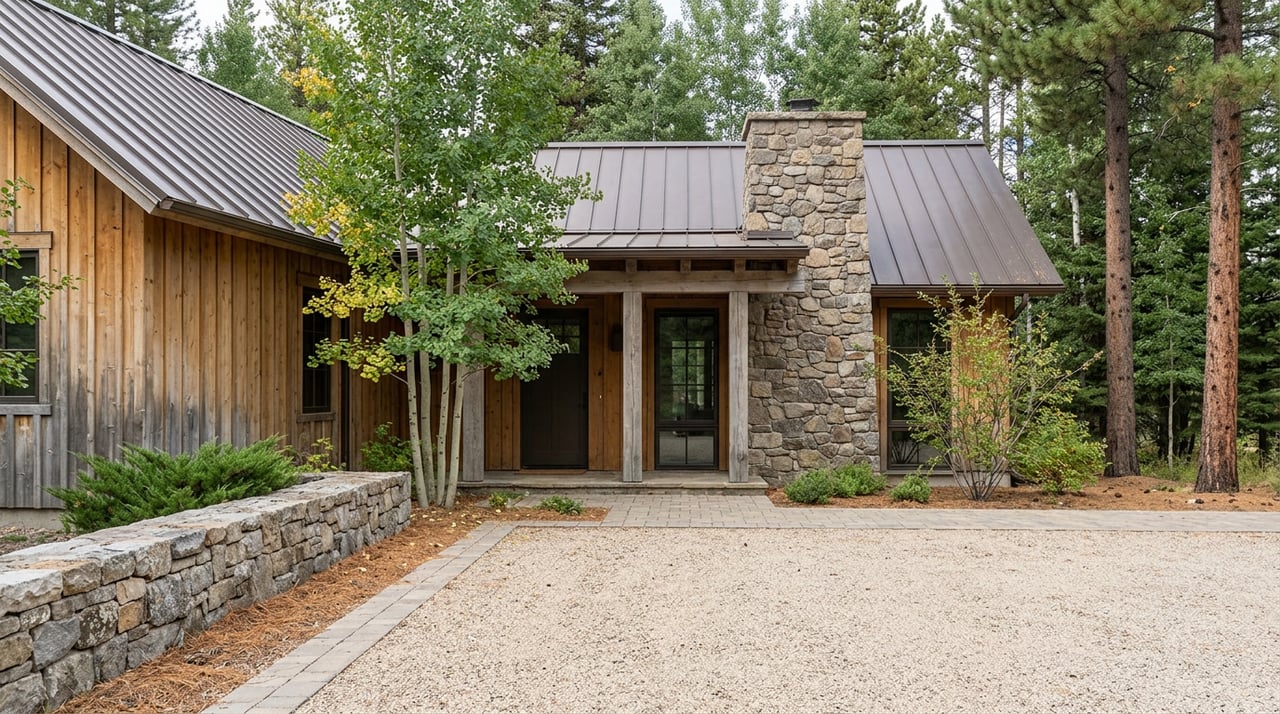
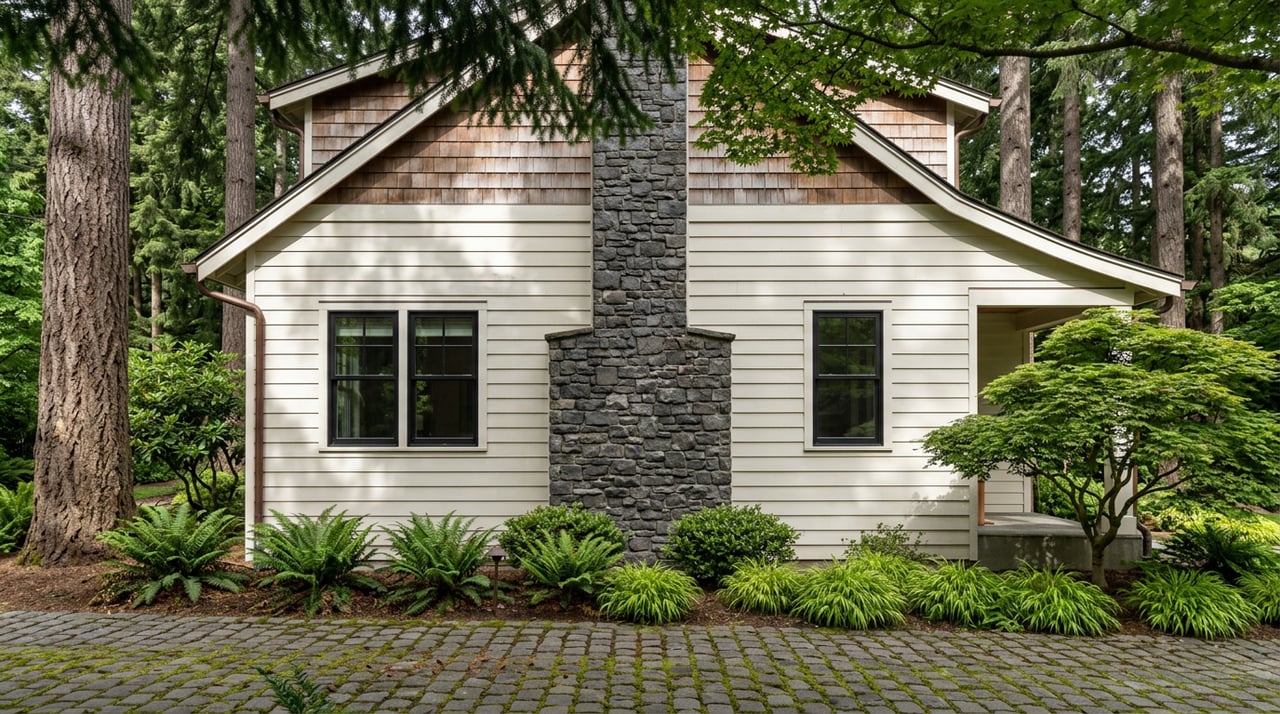
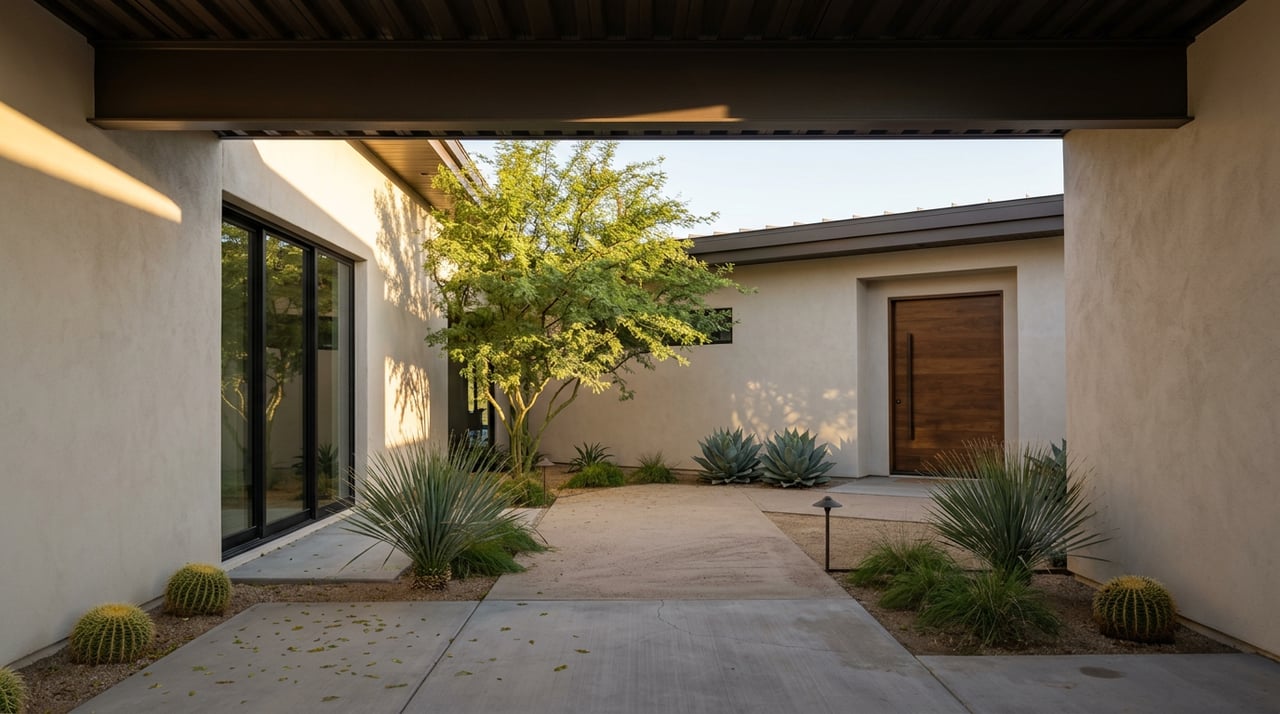
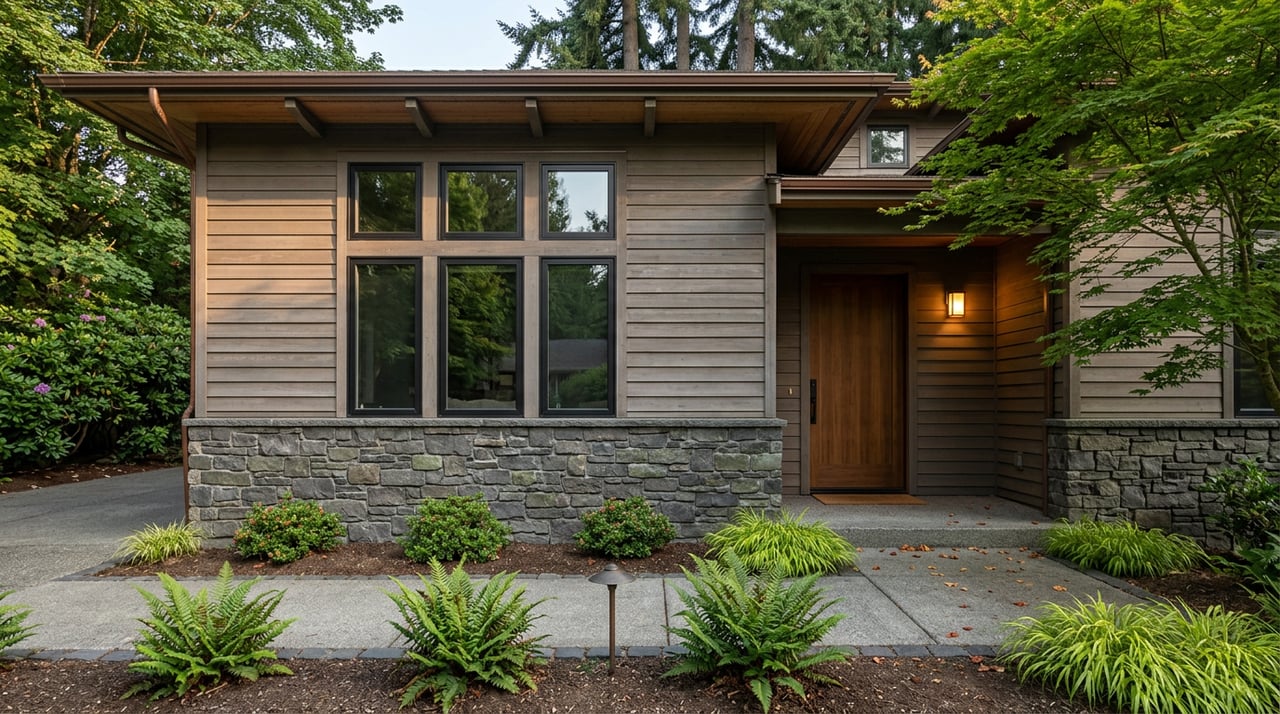
Bellevue offers two strong luxury options. Downtown and BelRed deliver newer high-rise condos with robust amenities and walkable access to dining, shopping, and transit. West Bellevue, Enatai, Bridle Trails, Somerset, and similar neighborhoods feature single-family estates on larger lots with more privacy and outdoor space.
Demand moves with interest rates, tech employment trends, and hybrid work patterns. When rates rise or supply shifts, condos and estates can trade places in terms of days on market and pricing power. The best approach is to compare your options at the neighborhood level and time your move based on current inventory and your lifestyle needs.
Price and value: How costs stack up
Luxury condos in central Bellevue often command a higher price per square foot, driven by location and building amenities. Estates typically carry a higher total price, but price per square foot varies based on lot size, finishes, and age. If you value premium amenities and a central address, a condo can offer strong value for lifestyle. If you want space, privacy, and long-term customization, an estate may deliver more utility for your day-to-day living.
Liquidity can differ by cycle. Condos may turn faster when there is broad executive and downsizer demand. Estates have smaller buyer pools but can hold value well in areas with limited lot supply. Assess both through recent neighborhood sales and current months of supply before making an offer.
Ongoing costs and ownership
Luxury condos: What to expect
- HOA fees typically cover exterior maintenance, master building insurance, reserves, utilities for common areas, and amenity staffing.
- Review reserve studies and recent HOA minutes to gauge risk of special assessments for elevators, roof, or facade projects.
- Understand governance and restrictions, including rental caps, pet policies, and renovation approval.
- You will likely carry an HO-6 policy for interior improvements, personal property, and liability. Confirm what the master policy covers.
- Expect high service levels, such as concierge, security, package rooms, and on-site maintenance.
Single-family estates: What to expect
- You manage yard care, exterior upkeep, and any private systems. Costs can vary based on property size and finishes.
- Homeowner insurance covers the dwelling and property. Larger structures and features like pools can affect premiums.
- You have flexibility to remodel, expand, or landscape to suit your needs, subject to permits and any neighborhood covenants.
- Ongoing outsourcing for landscaping, security, pool care, or housekeeping can add convenience but increases monthly spend.
Lifestyle and amenities
Space and privacy
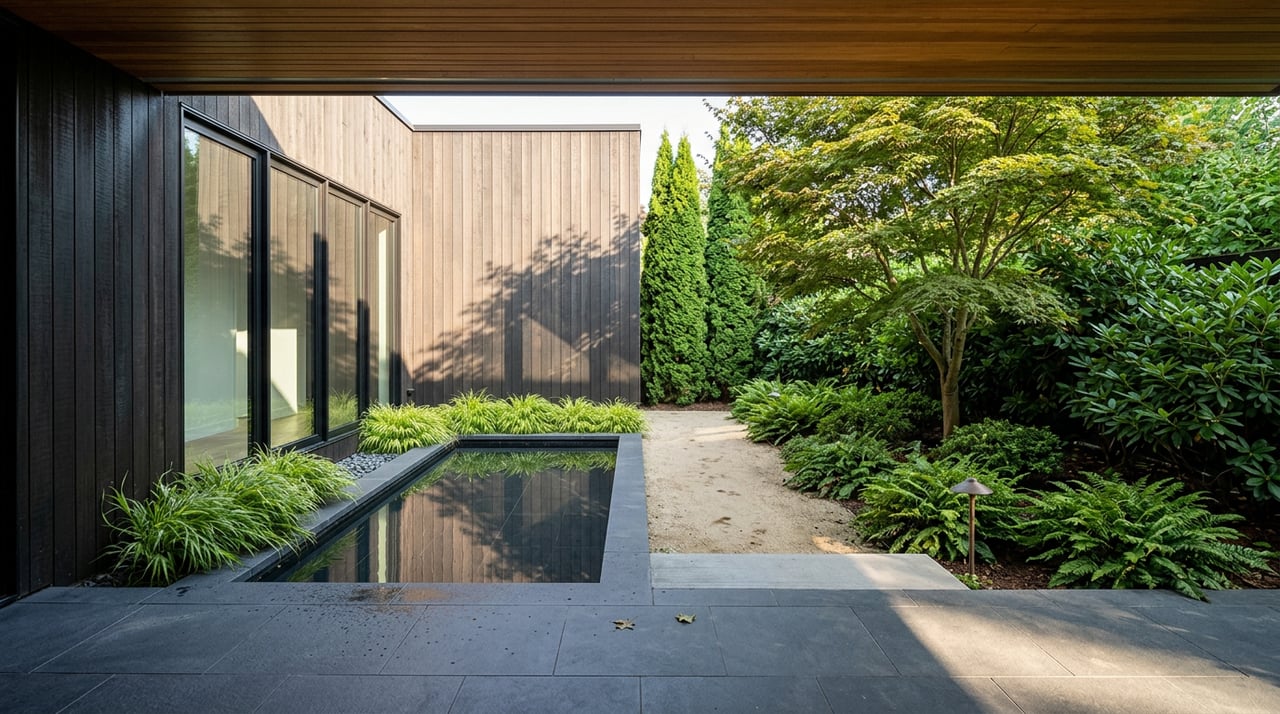
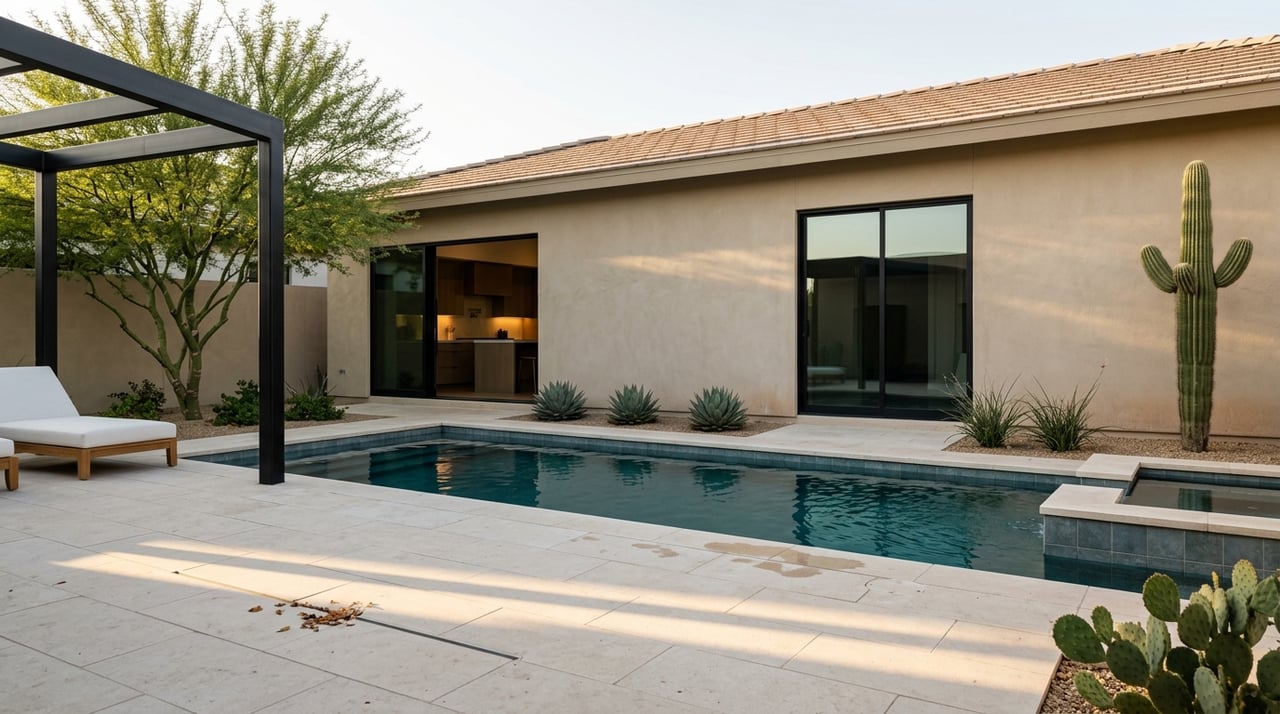
Estates deliver larger private footprints, multiple bedrooms and flex rooms, and outdoor living that works for everyday routines and entertaining. Luxury condos trade private outdoor space for full-building amenities. You gain access to gyms, lounges, and guest services that simplify a busy schedule.
Security and convenience
Many high-rise buildings offer controlled access, staffed lobbies, and integrated maintenance for easy living. Estates provide privacy and control, along with the option to add customized security and smart-home systems.
Entertaining and storage
Estates typically excel for hosting larger gatherings, storing gear, and accommodating multiple vehicles. Some luxury condos offer clubrooms, guest suites, and ample parking and storage, yet there can be limits for oversized vehicles or hobbies that need dedicated space.
Walkability vs. tranquility
Downtown Bellevue condos put you steps from shopping, restaurants, cultural venues, and transit. Estate neighborhoods tend to offer quieter streets, mature trees, and larger yards. Decide whether daily walkability or a calmer residential setting fits your routine.
Neighborhood fits in Bellevue
Downtown Bellevue and BelRed
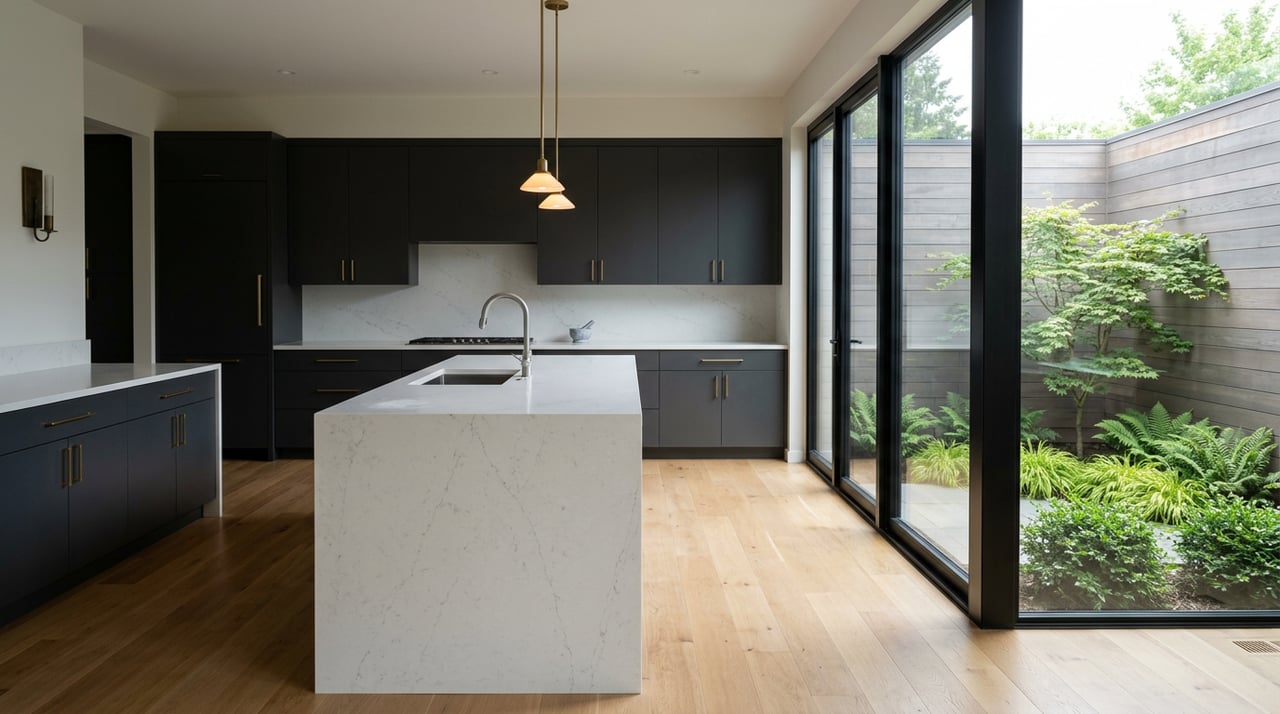
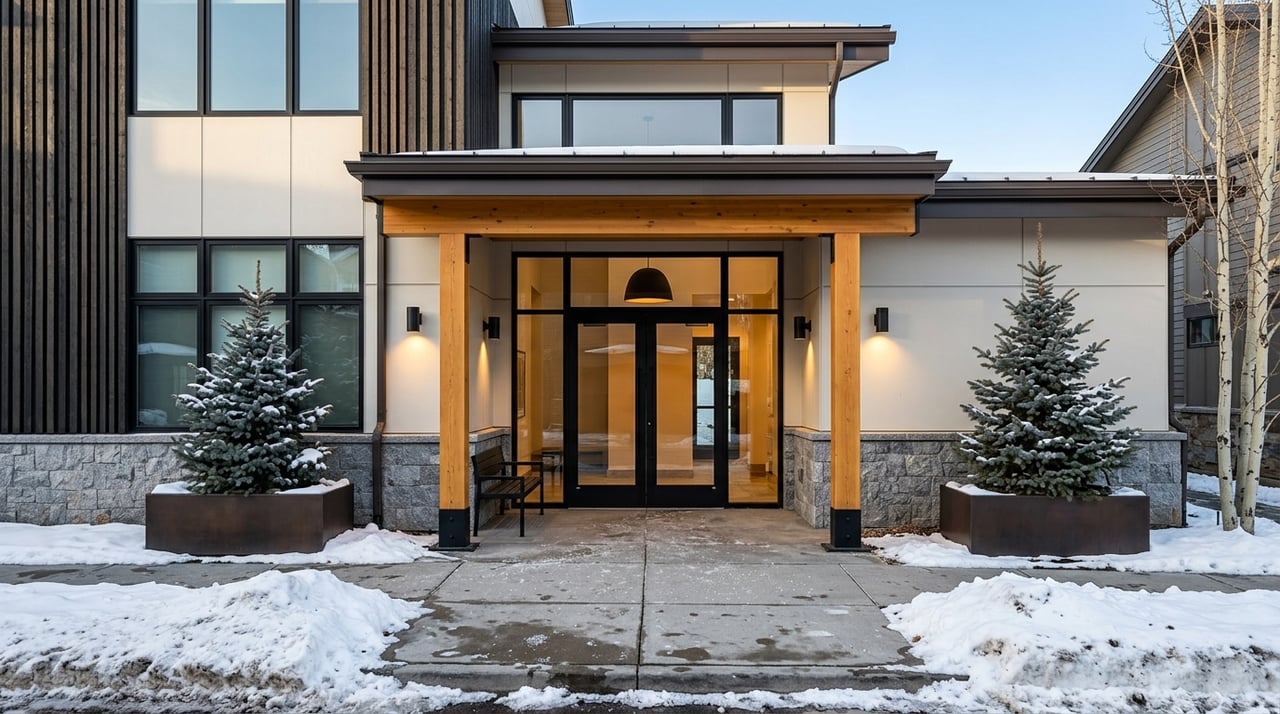
If you want a lock-and-leave lifestyle near dining, retail, and business hubs, this is a strong match. You will also be close to transit options and major employers. Buildings vary by age, service level, and HOA profile, so compare amenities and governance carefully.
West Bellevue and Enatai
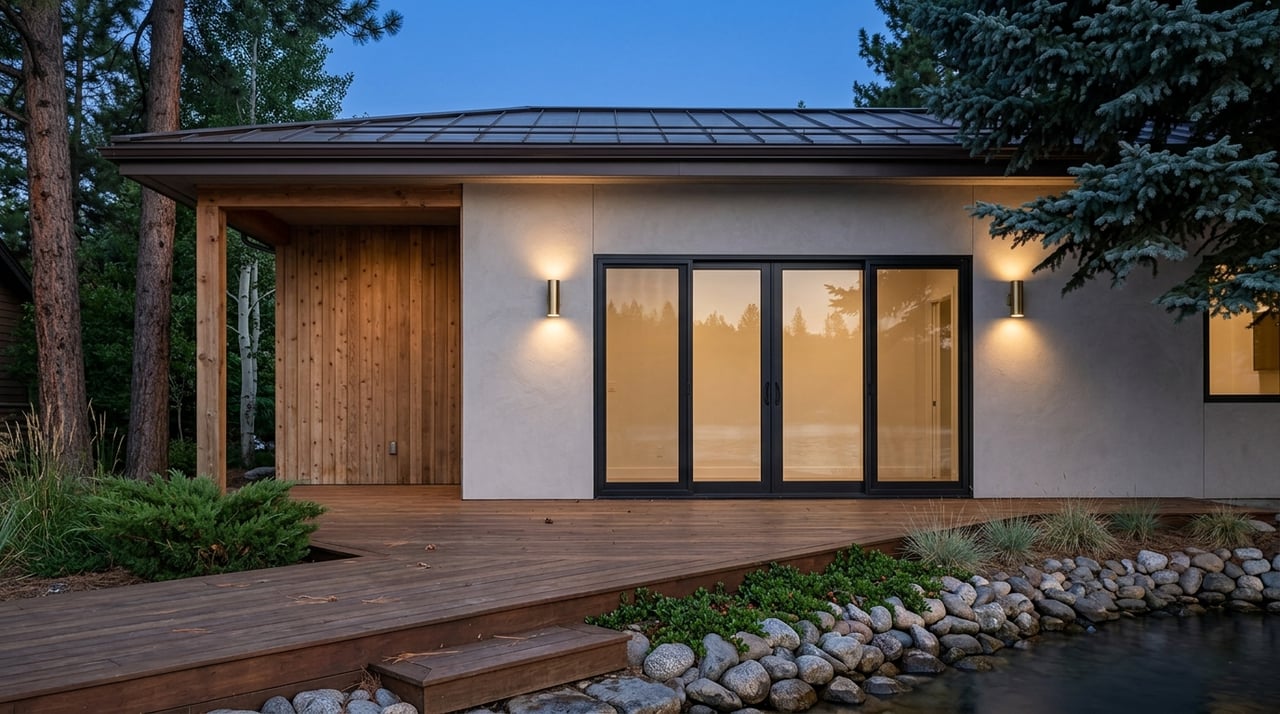
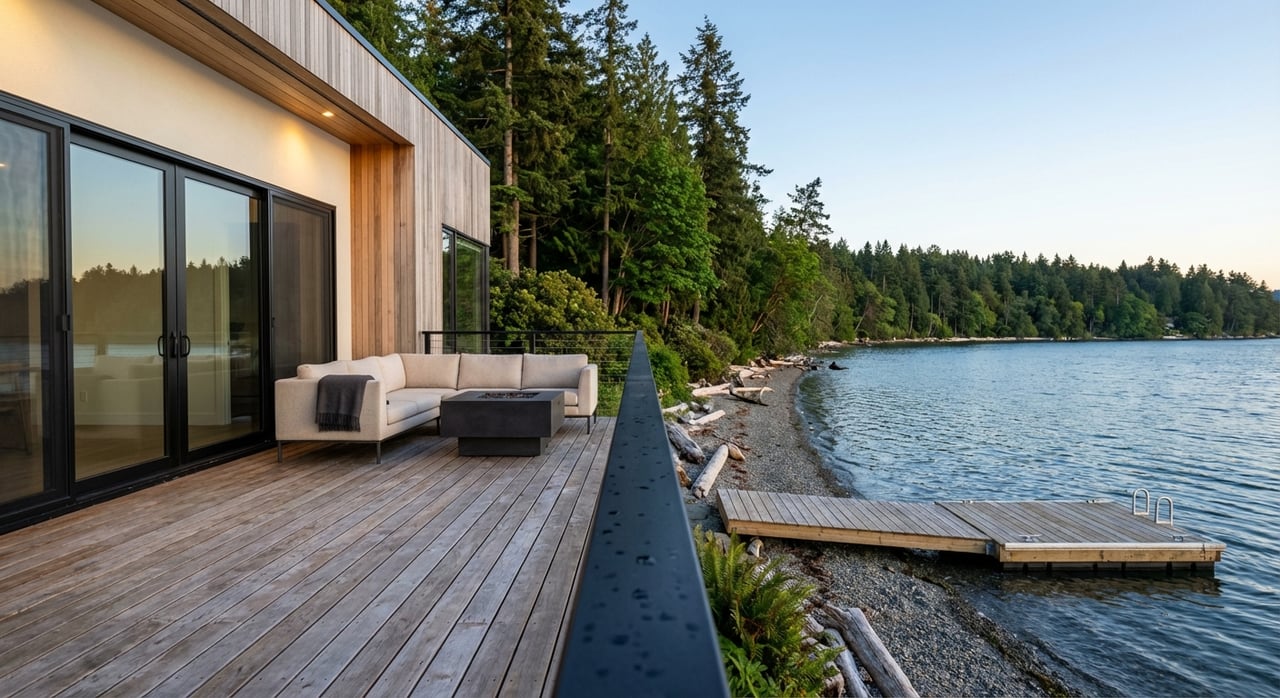
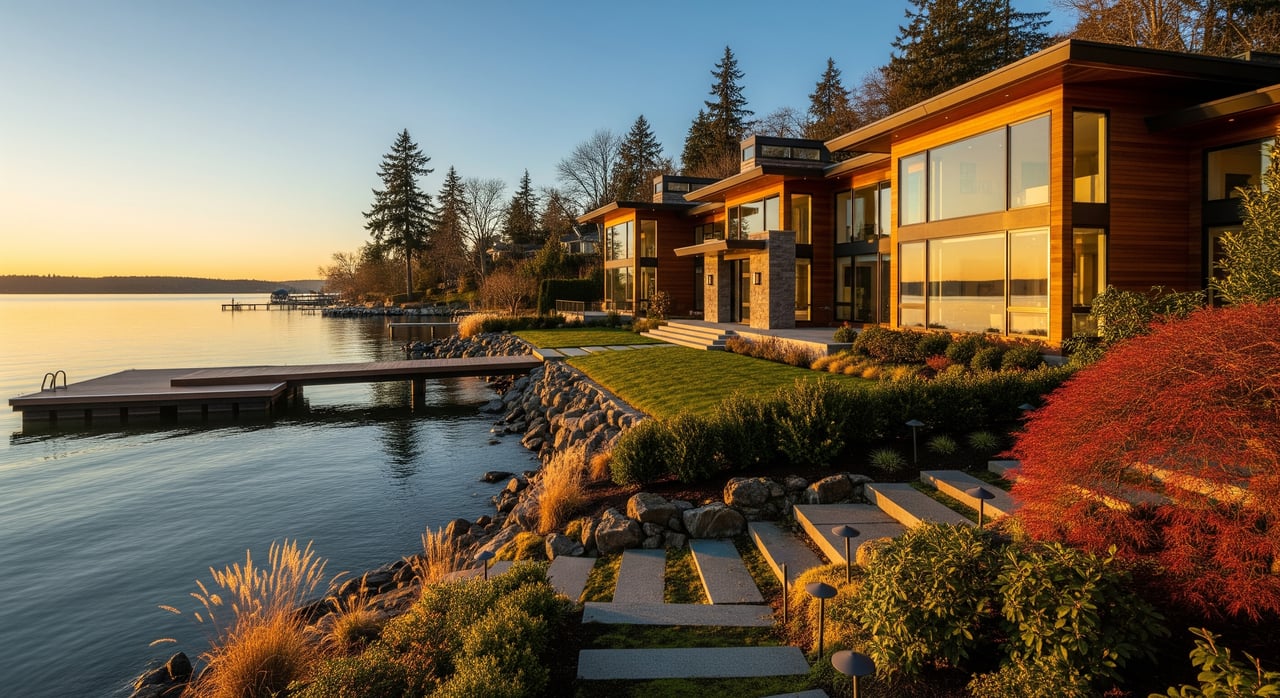
These areas feature established single-family streets with larger lots and proximity to parks and the waterfront. Buyers often prioritize privacy, indoor-outdoor living, and access to city services. Expect a more residential feel with less immediate walkability to urban retail.
Bridle Trails and Somerset
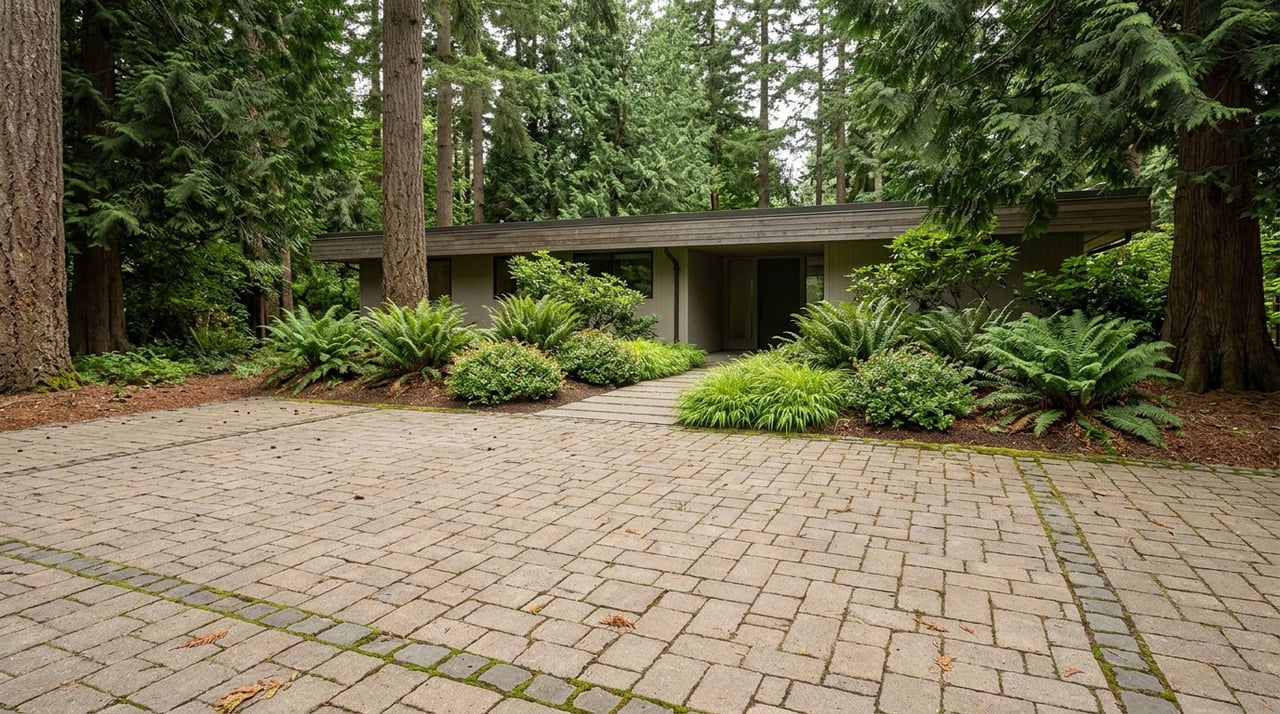
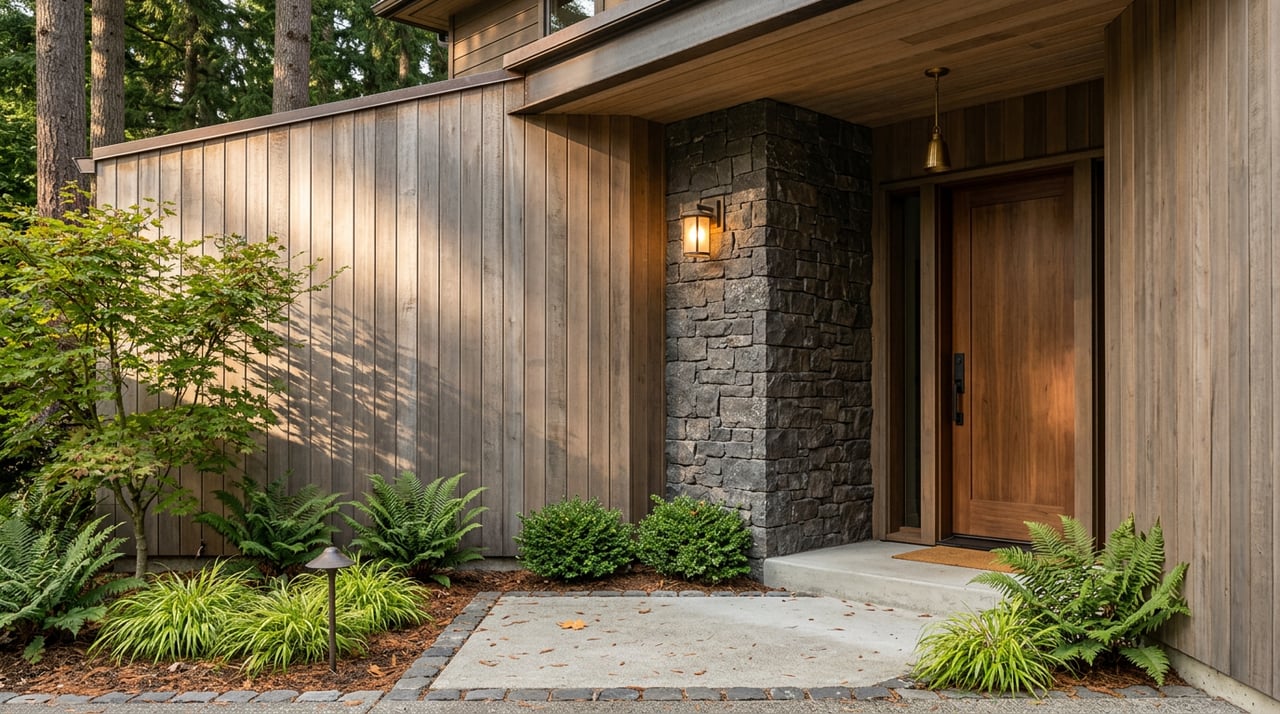
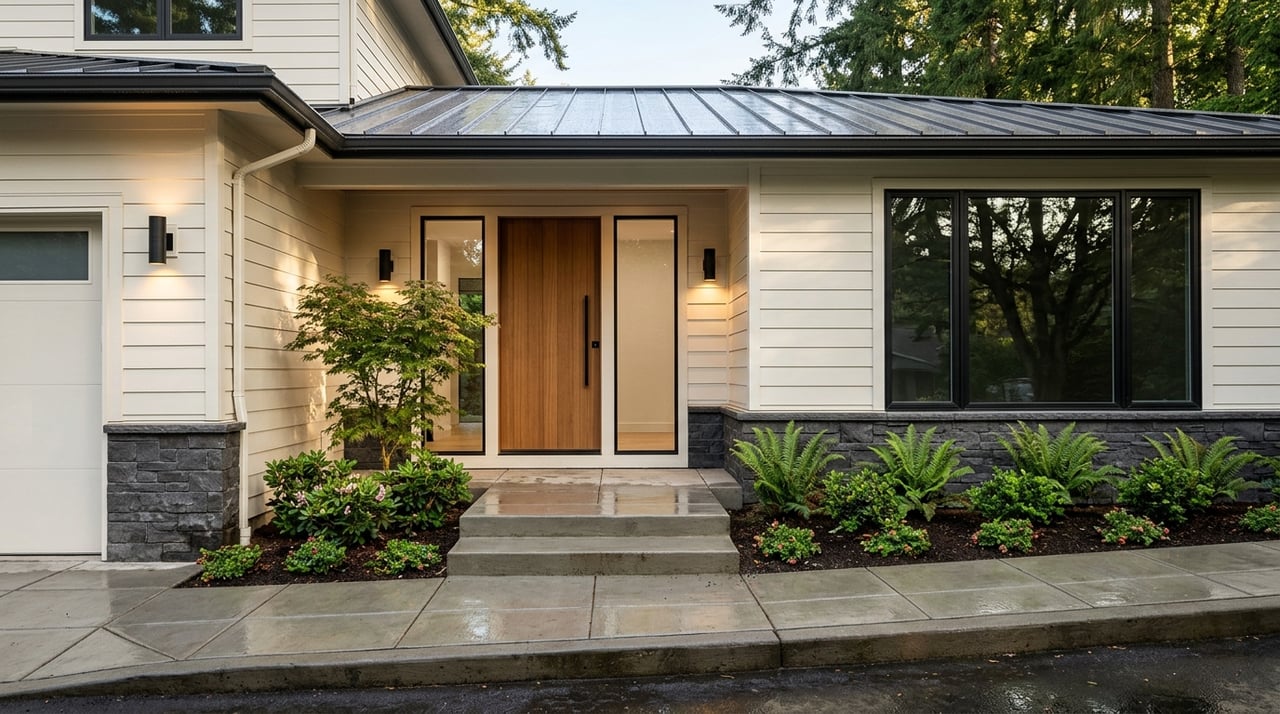
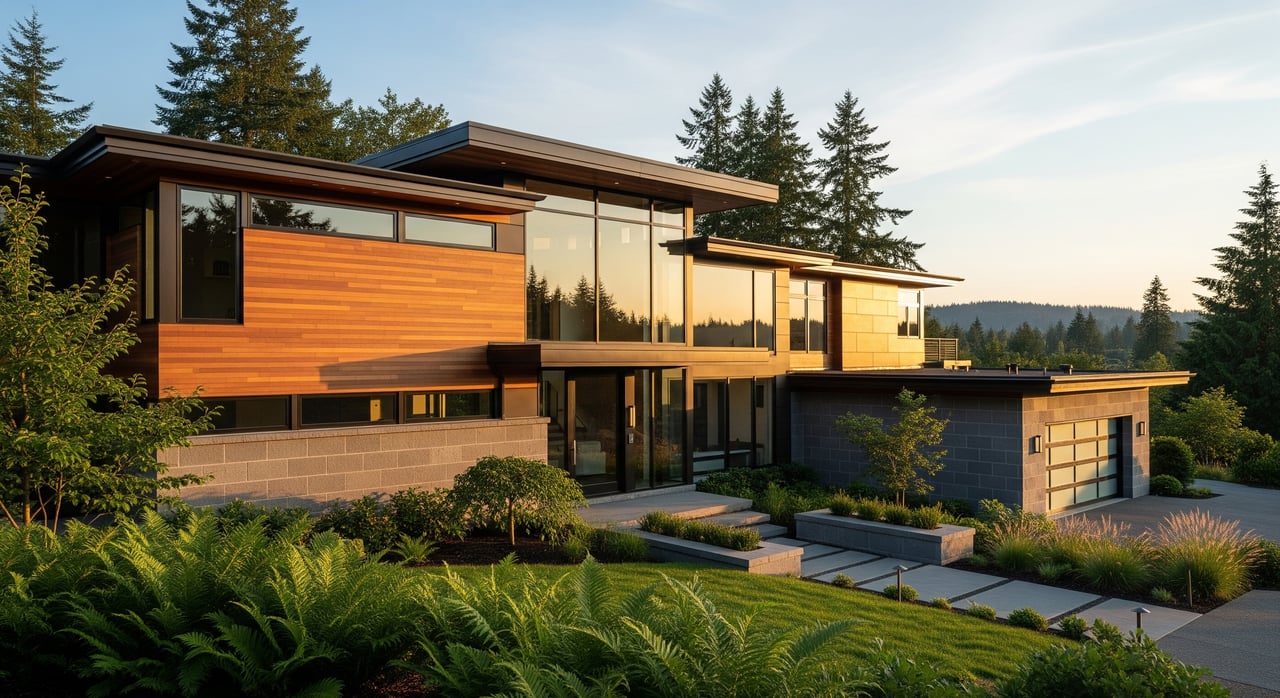
Bridle Trails offers a wooded, residential setting with larger properties, while Somerset provides hillside homes with neighborhood parks and community charm. These areas suit buyers seeking space, quieter streets, and the option to personalize over time.
Commute and transit
Major employment centers include downtown Bellevue, Redmond, and Seattle. Key corridors are I-405, SR 520, I-90, and Bellevue Way. Peak-hour congestion can shift door-to-door times, so test your route at your typical commute hour.
Central condos can reduce commute time to downtown Bellevue and improve access to transit options, including regional bus service and light rail connectivity in the Bellevue to Redmond corridor. Estates often mean more driving, but you gain quiet streets and yard space that many buyers prioritize.
Schools and family factors
If schools are part of your decision, confirm current boundary maps directly with the district since assignments can change. Consider before and after school logistics, proximity to parks and community centers, and time to extracurriculars. Touring schools and speaking with administrators can help match your priorities to the right neighborhood.
Resale and investment
Single-family homes often show steady long-term appreciation in suburban markets with limited lot supply. Luxury condos can appreciate well in prized locations with constrained new inventory, though values can be sensitive to new building deliveries and financing conditions. Review 5 to 10 years of neighborhood sales, understand the pipeline of new projects, and consider buyer pool depth for your specific property type.
For condos, financing and appraisal can be more complex if investor ratios are high or if a building has pending litigation. For estates, unique features can boost appeal but may narrow the buyer pool. Match your hold period to your risk tolerance and lifestyle goals.
Which lifestyle fits you?
- The traveling executive: You want a secured building, concierge support, and walkable dining near meetings. A luxury condo makes everyday life simple and predictable.
- The growing household: You value bedrooms, storage, a yard, and flexible spaces for work or hobbies. An estate offers room to grow and personalize over time.
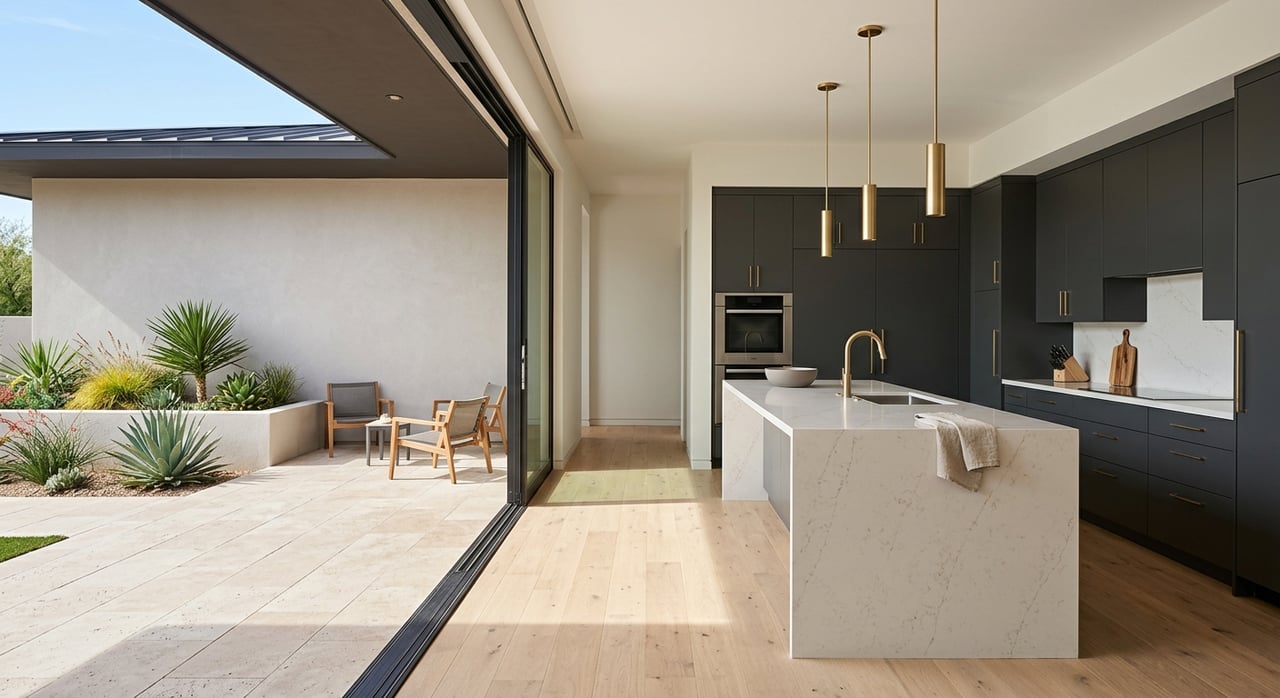
- The right-sizer: You prefer fewer daily chores with high-quality finishes and services. A newer condo with strong reserves and amenities may be the best fit.
- The bi-market owner: You split time between the Pacific Northwest and a second-home market. A low-maintenance condo can align with seasonal living and ease of travel.
Decision checklist
For condo buyers
- Review recent HOA minutes, financials, and the reserve study.
- Confirm owner occupancy ratio, rental rules, and any pending litigation.
- Clarify master insurance coverage and what your HO-6 must include.
- Verify parking and storage details, plus any EV or charging options.
- Ask about upcoming capital projects and special assessment history.
For estate buyers
- Request maintenance records for roof, systems, and exterior elements.
- Confirm property surveys, easements, drainage, and utility capacity.
- Understand landscaping, tree care, and irrigation needs.
- Check neighborhood covenants or HOA rules if applicable.
- Evaluate remodel potential, permits, and likely timelines.
For sellers of condos or estates
- Analyze nearby sales in the past 6 to 12 months and current competition.
- Align pricing and presentation with the likely buyer profile.
- Prepare disclosures and gather service records for a smooth escrow.
- Plan staging, video, and launch timing for maximum exposure.
Your next step
If you want a clear, data-informed path to the right Bellevue home, partner with an advisor who understands both urban luxury towers and Eastside estates. For confidential guidance, on-point pricing, and a seamless process from search to closing, connect with Denise O'Connell. Let’s find the lifestyle that fits you.
FAQs
What are the biggest cost differences between a Bellevue luxury condo and an estate?
- Condos centralize costs into HOA fees and reduce exterior maintenance, while estates trade HOA fees for larger private upkeep, landscaping, and flexible but variable monthly expenses.
How do HOA reserves and assessments affect Bellevue condo buyers?
- Healthy reserves lower the risk of special assessments for big projects, so review the reserve study, recent minutes, and assessment history before you buy.
How will my commute differ if I live downtown versus West Bellevue?
- Downtown living can shorten trips to business hubs and improve transit access, while West Bellevue often means more driving but a quieter residential setting with larger lots.
Are luxury condos in Bellevue good long-term investments?
- They can be, especially in top locations with limited competing supply, but values are sensitive to new project pipelines and financing conditions, so review multi-year sales and upcoming deliveries.
What school factors should I consider when choosing between a condo and an estate?
- Confirm current boundaries with the district, consider daily logistics and proximity to parks and activities, and tour schools to align programs and schedules with your needs.
What documents should I review before making an offer in Bellevue?
- For condos, review HOA minutes, financials, reserves, and rules; for estates, review maintenance records, surveys, easements, and any neighborhood covenants.