Thinking about a brand-new home in Redmond but not sure whether to choose a spec, custom, or presale build? You are not alone. New construction on the Eastside comes with different timelines, decisions, and contract terms. In this guide, you will learn how each path works, what to expect from builders, and how to protect your interests in King County. Let’s dive in.
New construction types in Redmond
Spec homes
A spec home is built by a builder without a committed buyer. You typically purchase a completed or near-complete home from available inventory. Customization is limited, which keeps the process simple and fast.
Spec homes are a strong fit if you want quicker occupancy and price certainty. In Redmond, they often reflect current buyer preferences like efficient systems and modern design, aligned with Eastside demand.
Presale homes
A presale is a home you buy before construction is complete. You may sign when the home is still on paper or when it is partially framed. The earlier you buy, the more selection influence you may have, depending on builder policy.
Presales can offer some customization and a longer runway to plan your move. They also introduce schedule variables tied to permitting, weather, and builder capacity.
Custom homes
A custom home gives you broad design control. You may purchase a lot separately or work with a builder that controls the land. Expect more decisions and a longer build timeline.
Custom is ideal if you want a tailored layout, unique finishes, or a specific homesite. Costs and schedules can vary based on design complexity and site conditions.
Timelines and process in King County
Typical build phases
Most Eastside builds follow a similar order:
- Lot work and site prep
- Permit application and review
- Foundation and underground utilities
- Framing and shell
- Rough-ins for plumbing, electrical, and HVAC
- Insulation and drywall
- Finish stage for cabinetry, flooring, paint, and appliances
- Final inspections and Certificate of Occupancy
- Walkthrough, punch list, and closing
These steps may also involve city design review, tree or critical areas requirements, and impact fees for certain projects in Redmond.
Time ranges by home type
- Spec home: if complete, plan on 0 to 3 months to close. If near completion, expect about 1 to 3 months to finish remaining work, inspections, and lending.
- Presale: ranges from about 6 to 18 months depending on when you buy and the project stage.
- Custom: roughly 9 to 24 months or longer based on complexity, permitting, and site conditions.
Local permitting, neighborhood approvals, and unforeseen site issues can extend these timelines. Always confirm with the builder and check project permits.
Permits, inspections, and occupancy
Builders secure permits and pass inspections at multiple stages. Permanent financing usually requires a final approval or Certificate of Occupancy. If a project has temporary occupancy or phased approvals, confirm what your lender and title company require.
Financing implications
Construction loans use draws and inspections during the build. Many lenders require a final Certificate of Occupancy before converting to permanent financing. Factor rate locks and conversion timing into your plan if you choose presale or custom.
Finishes, selections, and changes
Finish packages and allowances
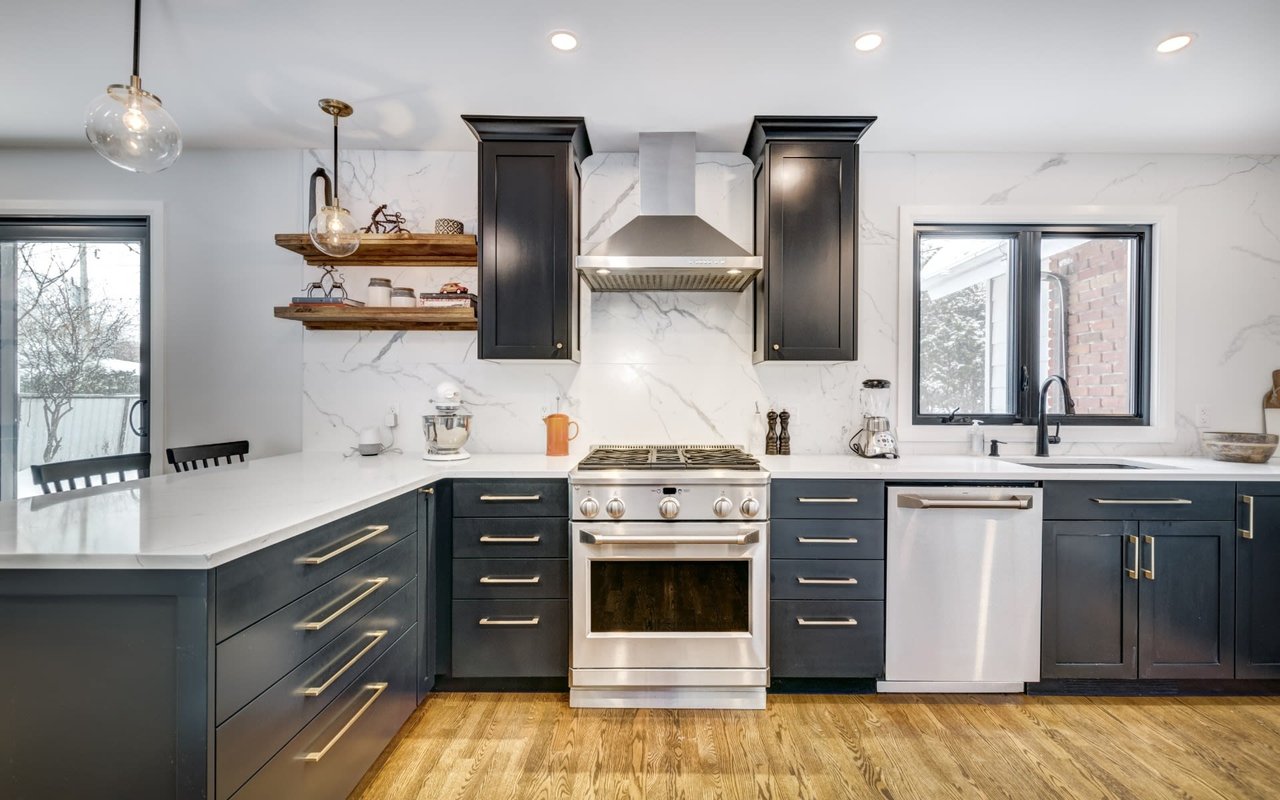
Most builders sell a standard package with upgrade options. Packages may cover cabinets, counters, flooring, plumbing fixtures, lights, and appliances. Some line items use allowances, which are dollar credits you can spend on chosen products.
Selections usually happen early. Builders set deadlines and may require deposits for upgrades. Minor upgrades can be a few hundred to a few thousand dollars. Larger kitchen and bath changes can reach tens of thousands depending on product level.
Change orders and scheduling
A change order modifies the original agreement. It usually adds cost and can impact schedule. Ask for written quotes that include price and timing effects before you approve.
If you are late in the build cycle, some changes may not be possible. Understand the builder’s cutoffs and approval process in writing.
Walkthroughs and punch lists
Before drywall, some buyers request a third-party inspection at the framing or rough-in stage if the builder allows it. At the end, you will complete a final walkthrough to note any defects in a punch list.
Builders typically address punch list items within a stated timeframe. Some repairs may be seasonal or dependent on subcontractor schedules. Confirm how unresolved items are handled at closing and whether any holdback is allowed.
Warranties and post-close service
Many builders follow a common structure that includes about one year for workmanship and materials, two years for major systems, and ten years for certain structural coverage. Exact terms vary by builder, so review the warranty booklet and claims process.
Appliances and equipment carry separate manufacturer warranties. Register these after closing and keep copies of all documents and photos for any service requests.
Contracts and protections in Washington
Critical terms to review
- Price and upgrade pricing: clarify if the contract is fixed price or cost plus. Confirm how upgrades are priced and invoiced.
- Deposits and escrow: understand the amount, who holds funds, and refund terms.
- Contingencies: financing contingencies may be limited. If you need a home sale contingency, expect stricter timelines.
- Completion dates and remedies: confirm how substantial completion is defined and whether there are buyer remedies for significant delays. Many builder contracts use estimated dates.
- Warranty and dispute resolution: read the warranty, claim steps, and whether arbitration is required.
- Inspection rights: specify when third-party inspections are allowed and how they are coordinated.
- Title and occupancy: confirm deed transfer timing and any temporary occupancy policies.
- HOA and CC&R obligations: review budgets, rules, and any ongoing obligations for landscaping or exteriors.
- Permits and code: the contract should state that the builder will secure required permits and deliver a code-compliant home.
Deposits, escrow, and risk
Deposit size and refundability vary. Confirm if funds are escrowed, when they are released, and what happens if the builder delays. Align disbursements with completion milestones when possible.
King County escrow and title teams handle closings. Ask who holds your deposit, when it becomes nonrefundable, and what documentation triggers release.
Risk management and due diligence
- Work with a buyer’s agent experienced in Eastside new construction.
- Consider independent inspections at key stages if permitted.
- Have a real estate attorney review presale documents, timelines, and arbitration terms.
- Check permit history and status for the property with local agencies.
- Verify the builder’s licensing and any complaint history with state authorities.
How to choose your path
Quick decision guide
- Timeline urgency: spec is fastest, then late presale, early presale, and custom last.
- Customization needs: custom offers the most, then early presale, late presale, and spec.
- Price certainty: spec is usually most predictable. Presales can lock price subject to contract terms. Custom has the widest range.
- Budget control: spec and move-in-ready homes are simpler to finance and compare. Presale and custom often need contingency funds for upgrades and changes.
- Risk tolerance: presale and custom carry scheduling and permitting risk. Ask builders about schedule protections.
- Resale fit: choose finishes and quality that align with nearby new homes and the broader Eastside market.
Move-forward checklist
- Set your desired move-in date and compare it to realistic builder timelines.
- Decide how much customization you want and set an upgrade budget.
- Get pre-approval and discuss construction-to-perm options early.
- Review builder portfolios and references. Ask about warranty and service response.
- Walk the lot and area for drainage, trees, easements, access, and noise.
- Engage a buyer’s agent and consider legal review before signing.
Walkthrough and closing checklist
Use this list to stay organized as you near completion:
- Schedule a pre-drywall review or third-party inspection if allowed.
- Confirm all selections, upgrades, and change orders in writing.
- Obtain a detailed inclusions list and final specs package.
- Verify permit and inspection status and expected Certificate of Occupancy.
- Conduct a careful final walkthrough. Test systems, appliances, doors, windows, and fixtures.
- Document punch list items with photos and target dates for completion.
- Clarify how unresolved items will be handled at closing and whether a holdback applies.
- Collect warranty documents and manufacturer registrations.
- Coordinate final loan conditions and closing timeline with your lender and escrow.
Local Redmond considerations
Redmond supports a mix of single-family, townhome, and multifamily activity. Some projects fall under city design review, tree or critical area rules, and impact fees that affect cost and schedule. These local factors may extend timelines, especially for presales and custom builds.
Plan for potential delays from permitting backlogs, HOA approvals, developer phasing, or site surprises. Ask for a documented schedule with allowances for weather and inspections, and keep your lender updated on timing for rate locks and funding.
Ready to compare real options in Redmond and the Eastside? For concierge-level guidance across spec, presale, and custom, connect with Denise O'Connell for a clear plan from lot to close.
FAQs
What is the difference between spec, presale, and custom homes in Redmond?
- Spec is completed or near-complete with limited changes, presale is bought before completion with some customization depending on timing, and custom offers full design control with the longest timeline.
How long does new construction take in King County?
- Spec can close in 0 to 3 months if finished, presales often run 6 to 18 months, and custom builds range from 9 to 24 months or longer depending on complexity and permitting.
What finishes are typically included with Eastside builders?
- Builders sell a standard package and offer upgrades or allowances for items like cabinets, counters, flooring, fixtures, and appliances, selected early with set deadlines.
Can I hire my own inspector for a new build?
- Often yes at specific stages such as pre-drywall and final, subject to the builder’s policy and written approval.
What happens if the builder delays completion past my rate lock?
- Check the contract for completion terms and remedies, then coordinate with your lender on lock extensions and closing timing tied to final approvals.
Are deposits refundable on presales in Redmond?
- It depends on the contract and milestone status, so confirm escrow terms, refundability, and release triggers before signing.
What kind of warranty do new homes usually have?
- Many builders use a structure with about one year for workmanship and materials, two years for systems, and ten years for structural items, with exact terms defined in the warranty documents.