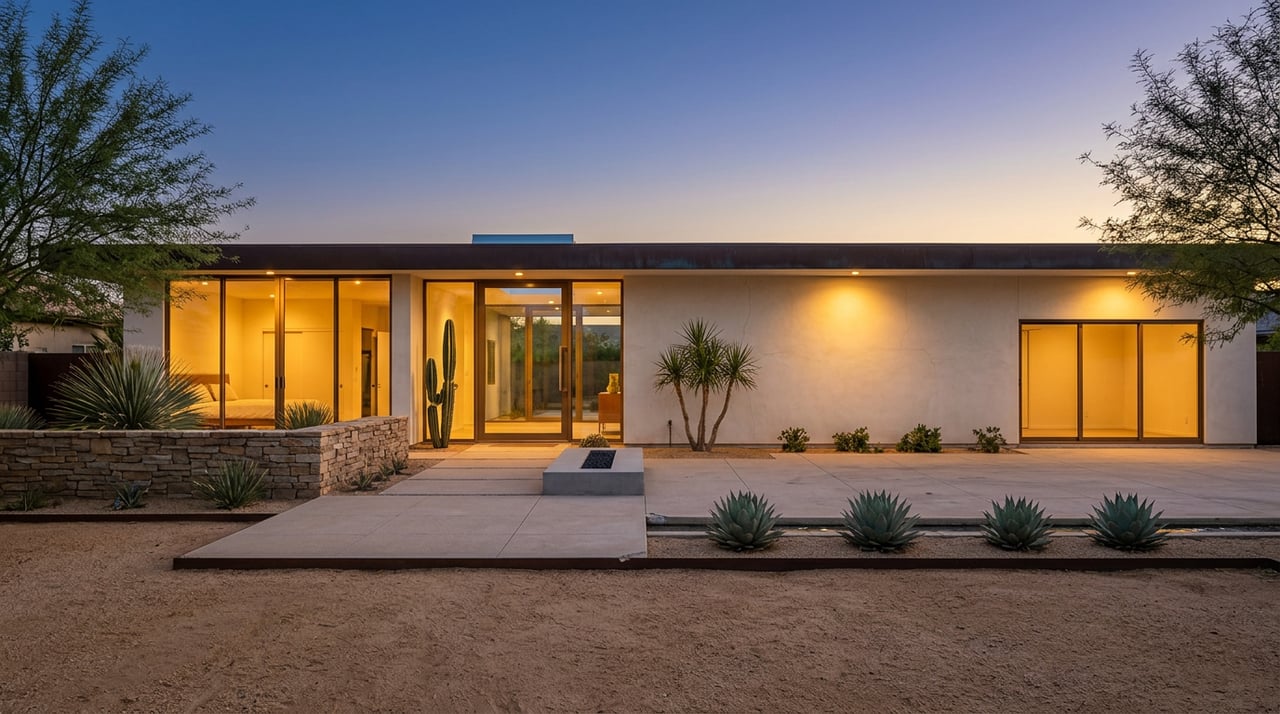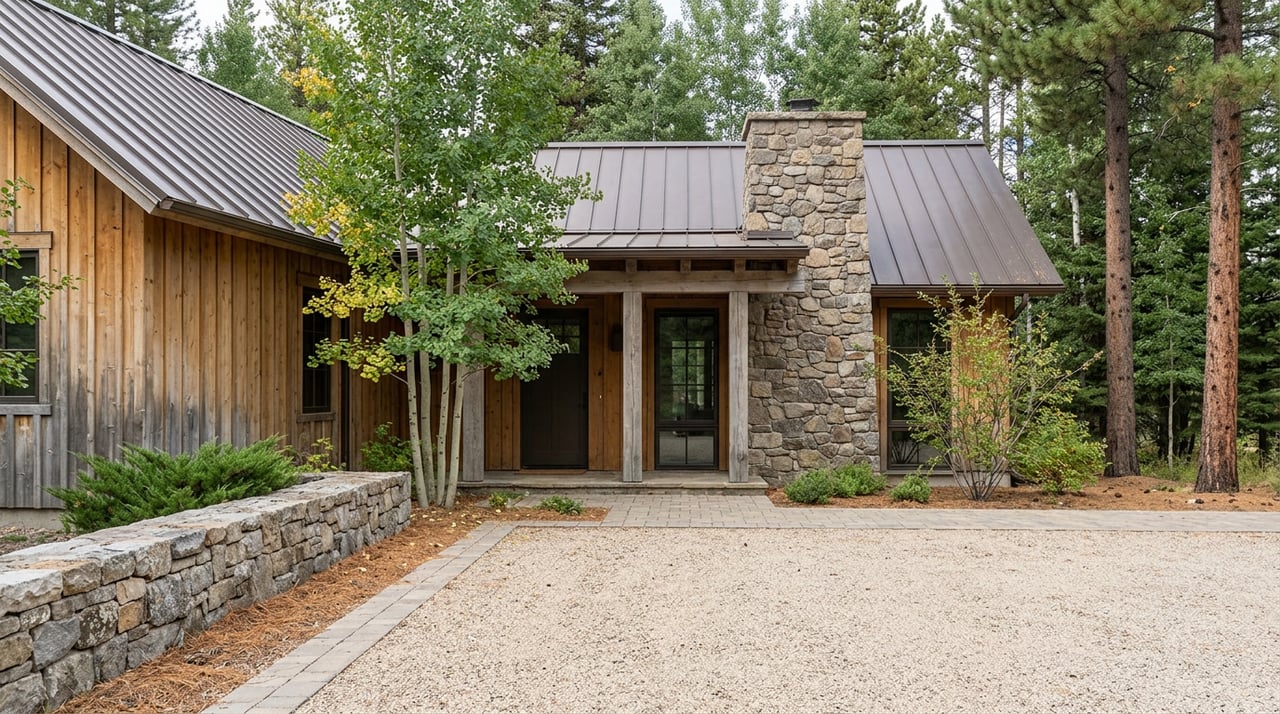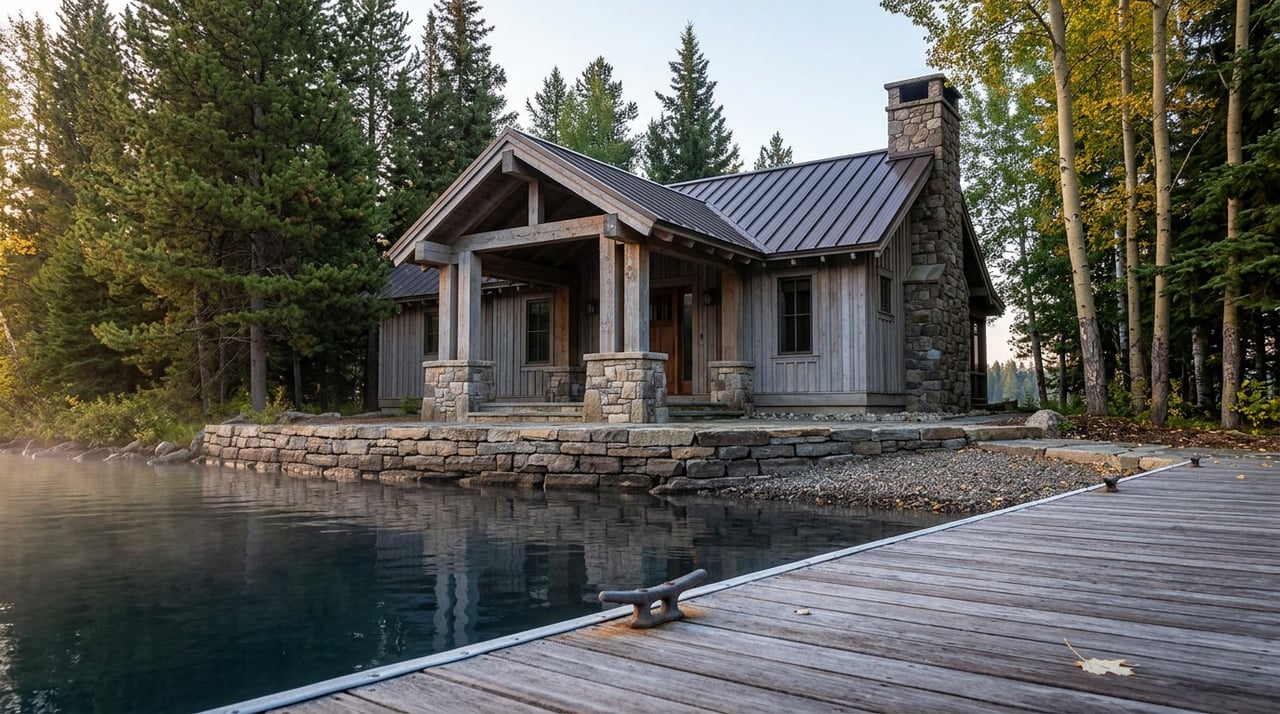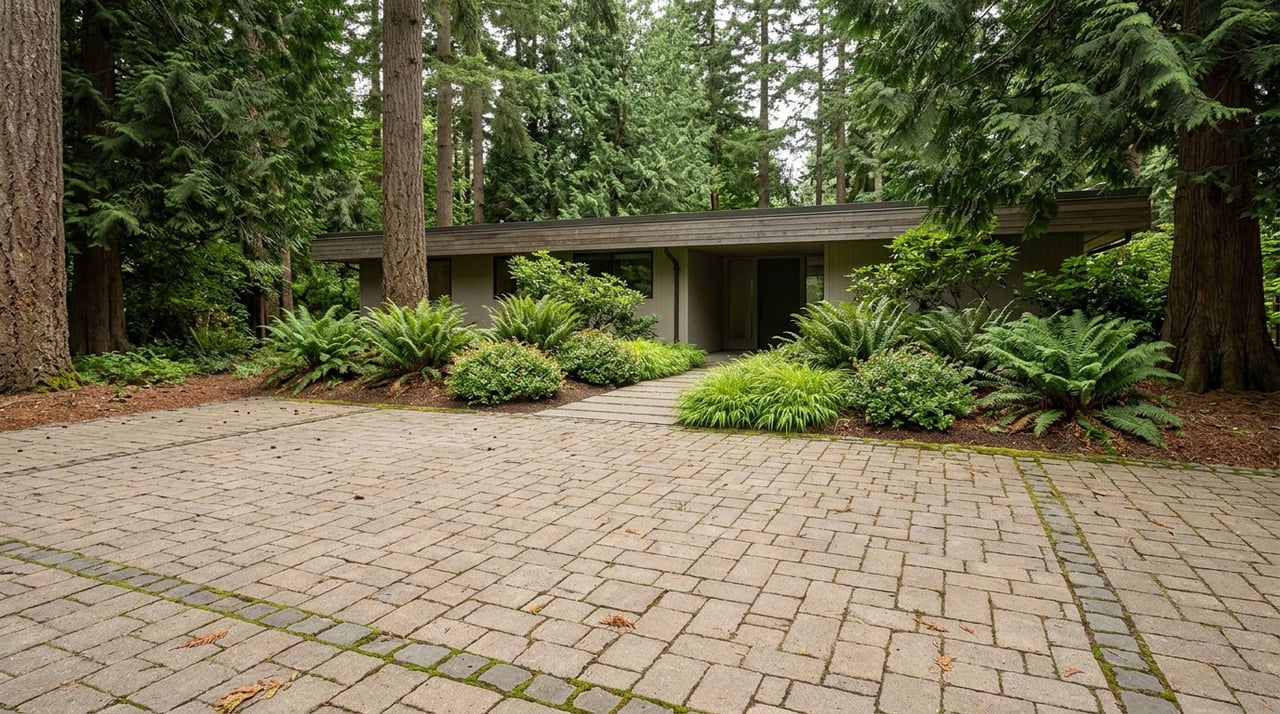
Wondering when to list your Kirkland home for the strongest results? You are not alone. Timing affects price, days on market, and how smoothly you can coordinate your next move. In this guide, you will learn how seasonality plays out on the Eastside, what to consider by neighborhood and property type, and practical timelines to help you plan. Let’s dive in.
How seasonality works in Kirkland
Kirkland follows a clear rhythm through the year. Buyer traffic and new listings climb in spring and early summer, then ease in late summer and fall. Winter brings fewer showings, but it can also mean less competition if you want to stand out.
- Late March to June: Peak buyer activity and the strongest tour counts. Families aim to close before the next school year. Landscaping and light make photos and curb appeal shine.
- July to August: Still active, with more inventory in many price bands. Urgency can soften after school deadlines pass. Well-prepped listings remain competitive.
- September to October: Lower volume than spring but solid, motivated buyers. This window often serves relocations and buyers who missed summer.
- November to February: Quietest months for tours. Inventory can be low, which helps standout listings, but buyers are fewer and more price-sensitive.
Many buyers target Lake Washington School District boundaries and want to move before classes start. If your home appeals to family buyers, the spring to early summer window is often the top choice for maximizing demand.
Micro-markets matter in Kirkland
Kirkland is a collection of distinct micro-markets. Your neighborhood, price point, and property style shape the best timing and strategy.
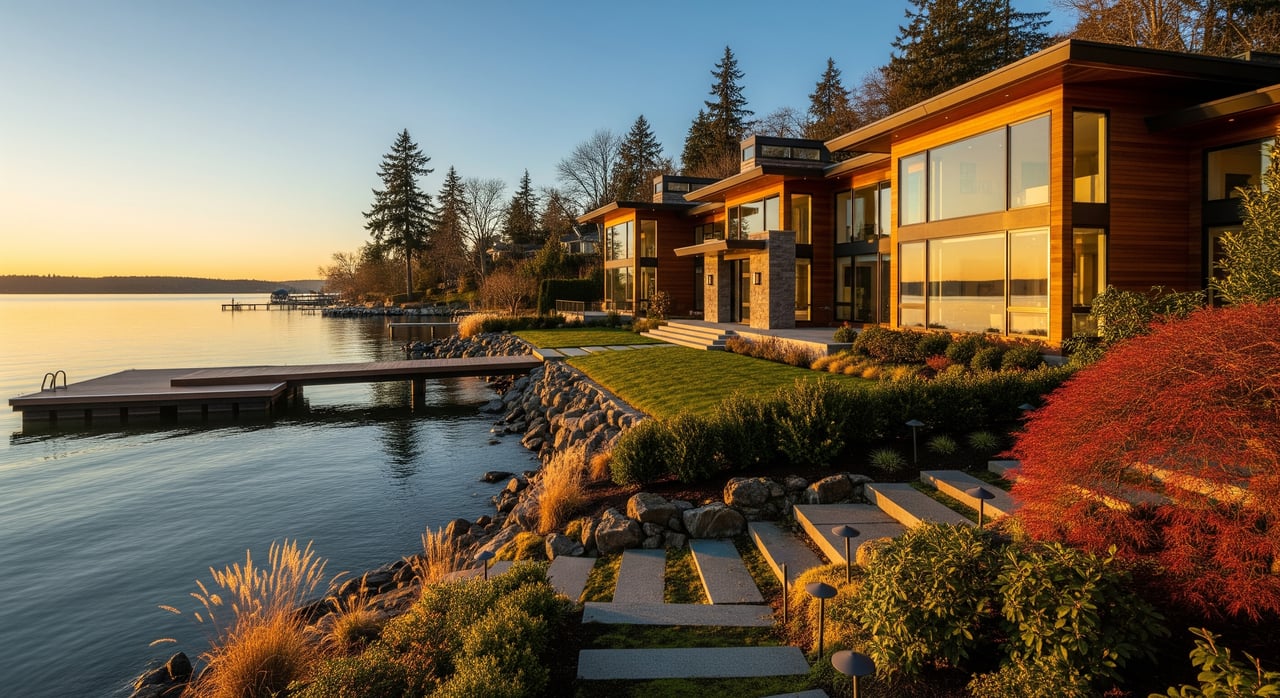
Waterfront, Moss Bay, and Marina Park
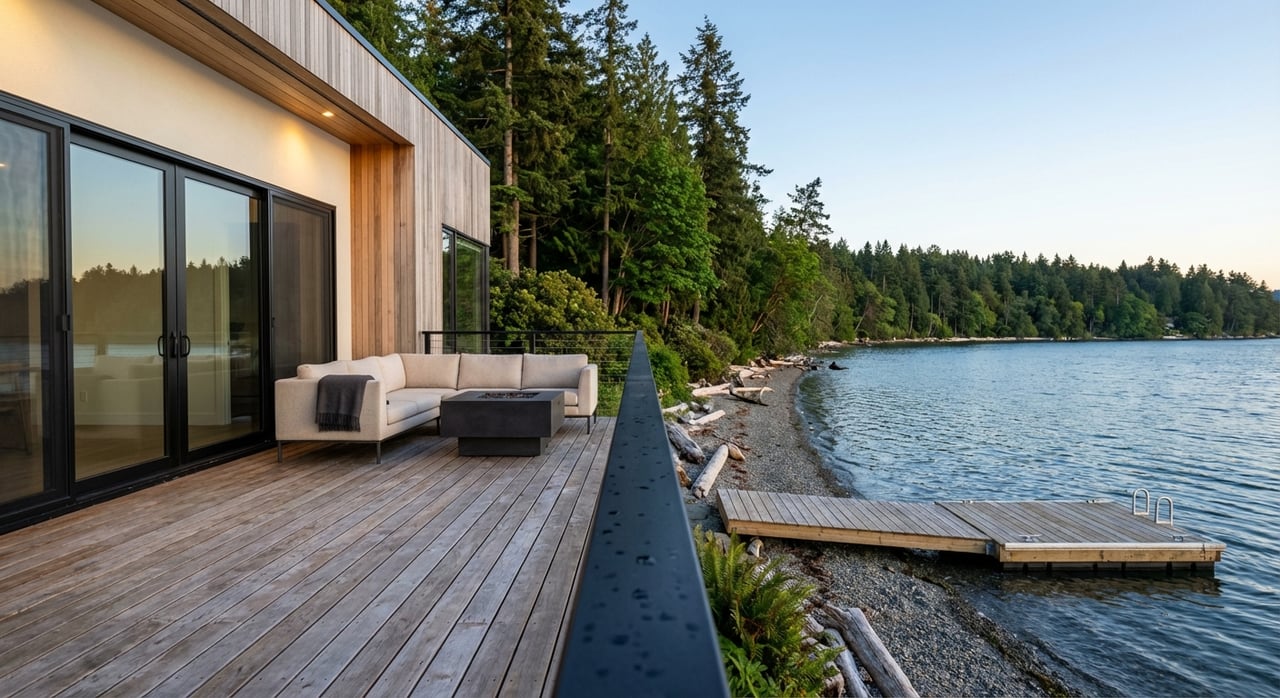
These areas draw lifestyle buyers who value views, water access, and walkability. Inventory tends to be limited. Seasonality is milder at the high end, but spring and summer elevate curb appeal and photography.
Totem Lake and the NE 85th corridor
You will find newer condos and townhomes near transit and retail. Buyers include commuters and downsizers who value convenience. Listing here can work year-round, with spring bringing the widest audience.
Juanita, Houghton, and the Rose Hills
These are classic single-family neighborhoods with interest tied to lot size and school boundaries. Spring to early summer aligns with family timelines and often produces the most showings.
Bridle Trails edge
Buyers seek larger lots and a more rural feel near Bellevue. This market attracts focused shoppers who will look beyond peak months if the property fits their needs. Spring still offers the best backdrop for land, barns, and outdoor spaces.
Older condos vs. new construction
Condos can show longer days on market and are sensitive to financing conditions and HOA policies. Newer homes may benefit from builder incentives or flexible timing. When rates rise, buyers often consider condos and townhomes as lower-cost options, which can support demand outside the spring rush.
Property type and price band timing
Single-family homes
These see the strongest demand in spring and early summer, especially in family-focused neighborhoods. If you can align pre-list prep to this window, you may capture higher tour counts and more offers.
Condos and townhomes
You can list year-round, though spring still broadens the audience. If rates are high, entry-level buyers may favor these options across seasons. Clean presentation, clear HOA documentation, and strong photography are key.
Luxury and waterfront
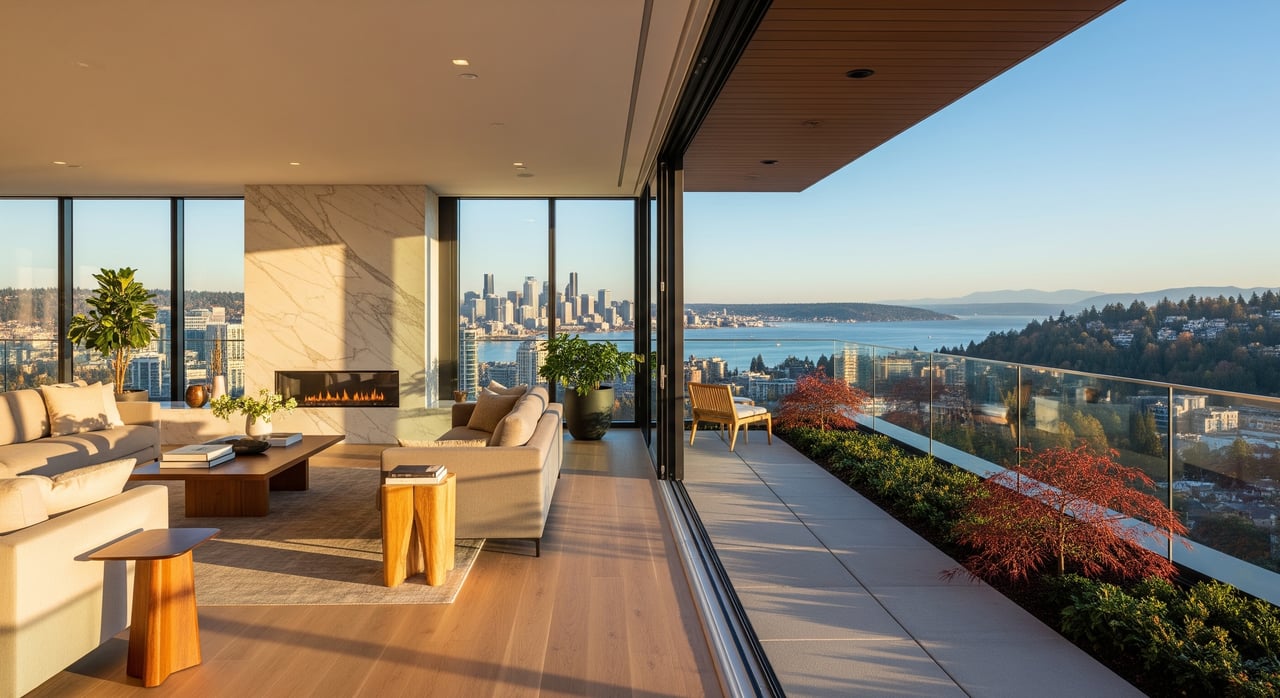
Seasonality is more muted. High-net-worth and relocation buyers shop all year. Still, spring and summer deliver standout visuals for marketing and outdoor living features.
Weather, curb appeal, and showing dynamics
Kirkland’s mild, wet winters and dry, temperate summers shape how your home shows.
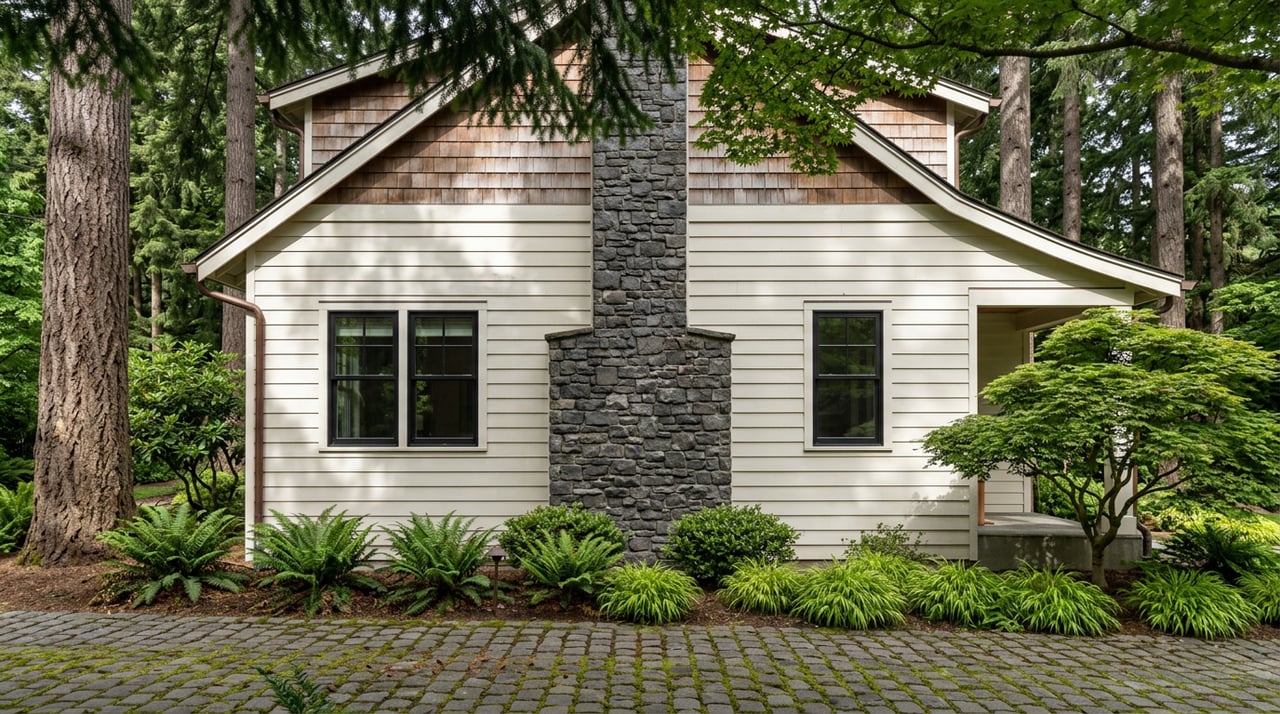
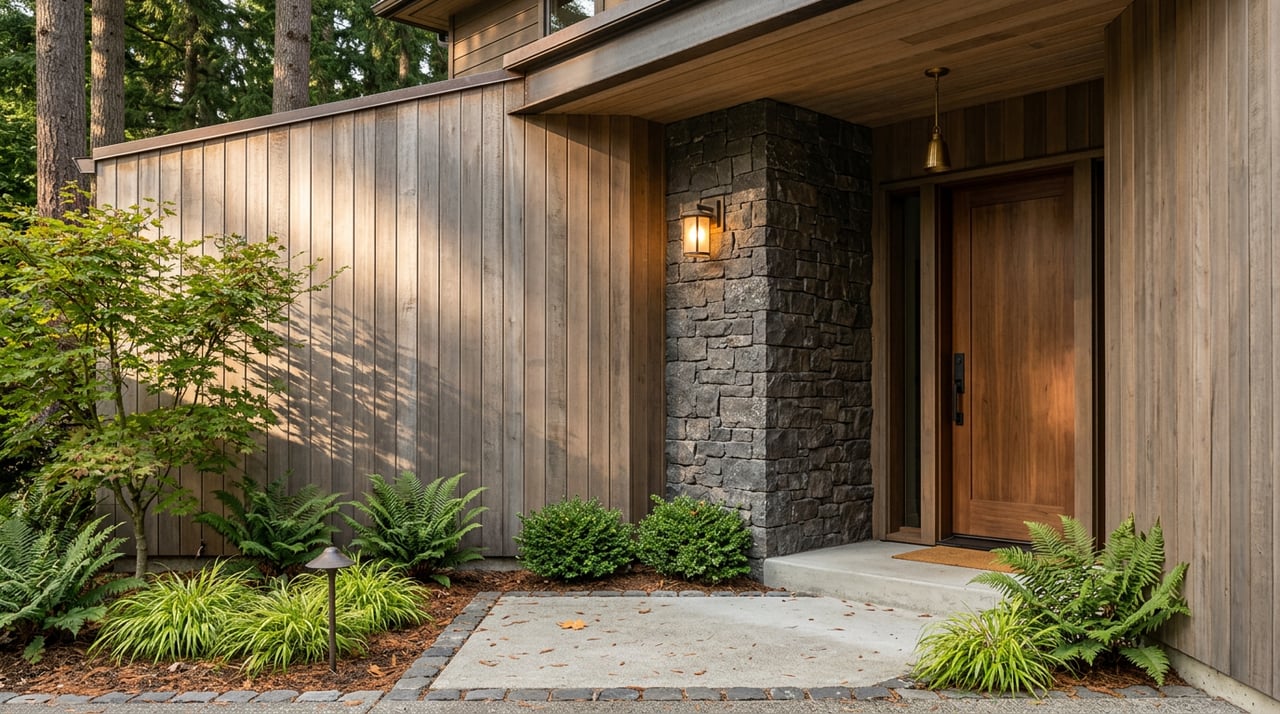
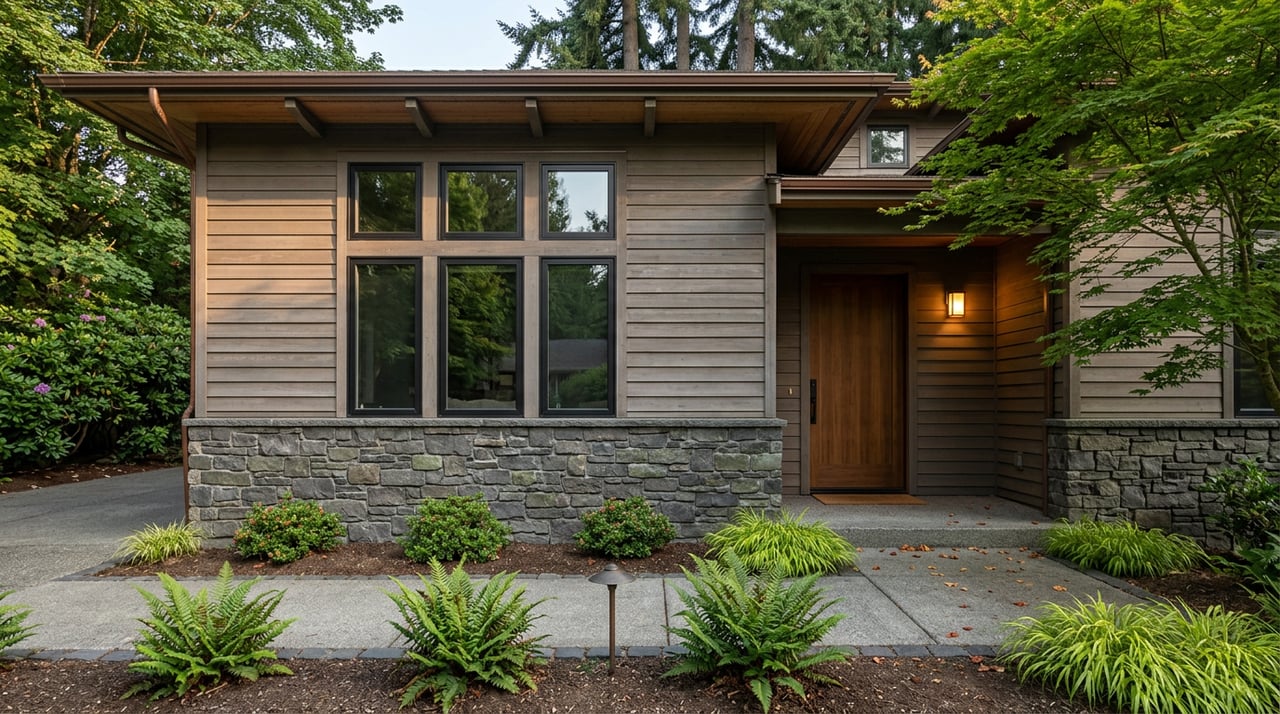
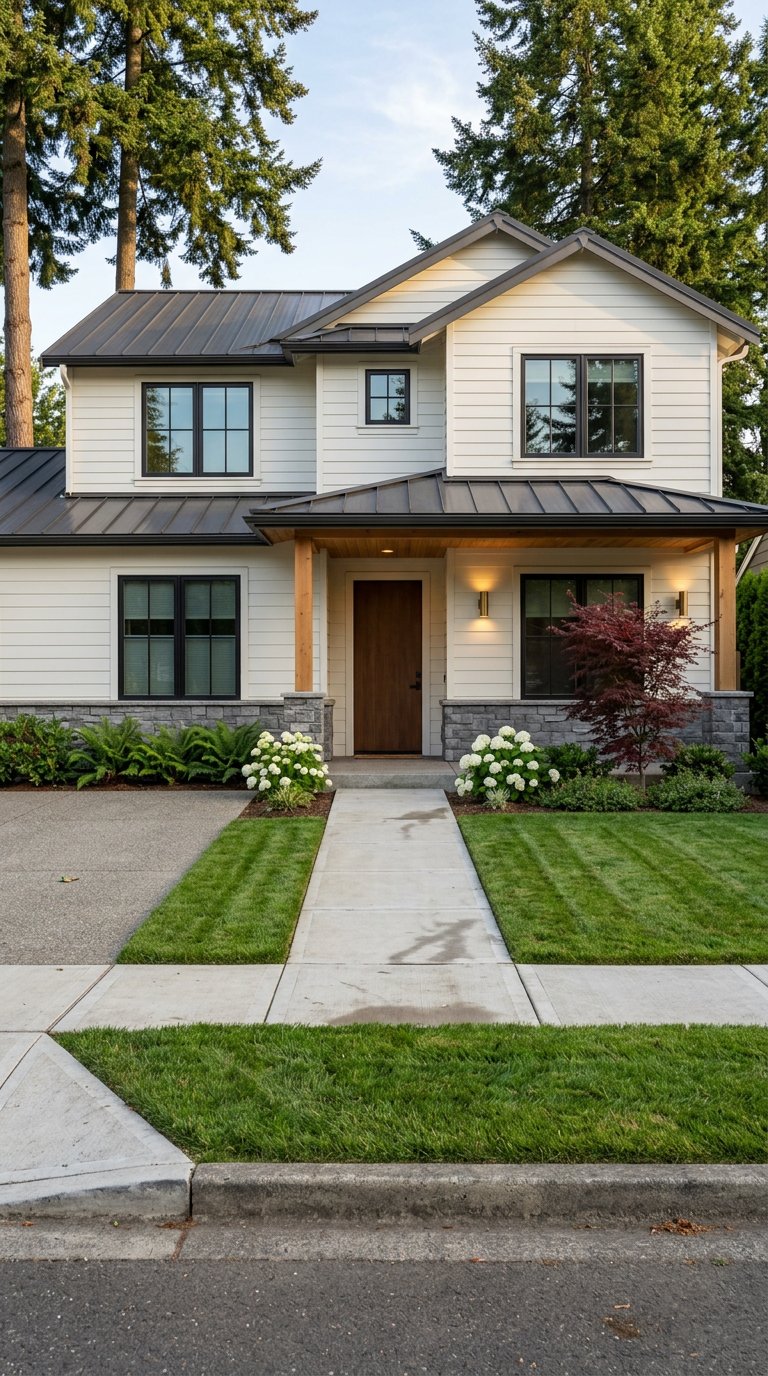
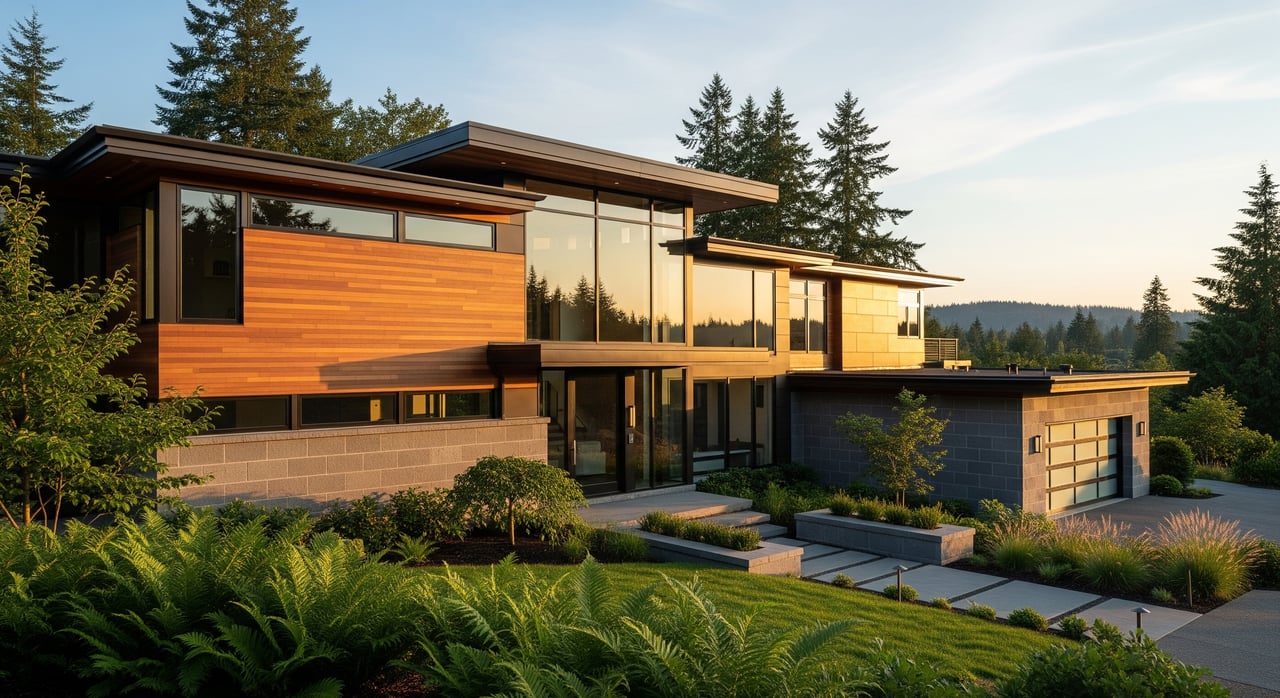
Spring and early summer curb appeal
- Fresh mulch, trimmed hedges, and seasonal flowers boost first impressions.
- Pressure-wash hardscapes and refresh exterior paint touch-ups.
- Capture exterior and twilight photos when lawns are green and skies are clear.
Late summer and early fall
- Keep lawns healthy during dry spells and refresh planters.
- Maintain decks and outdoor seating to highlight livability.
- Schedule photos when light is soft to avoid harsh mid-day glare.
Fall and winter prep
- Clear gutters, remove leaves, and trim branches for a crisp look.
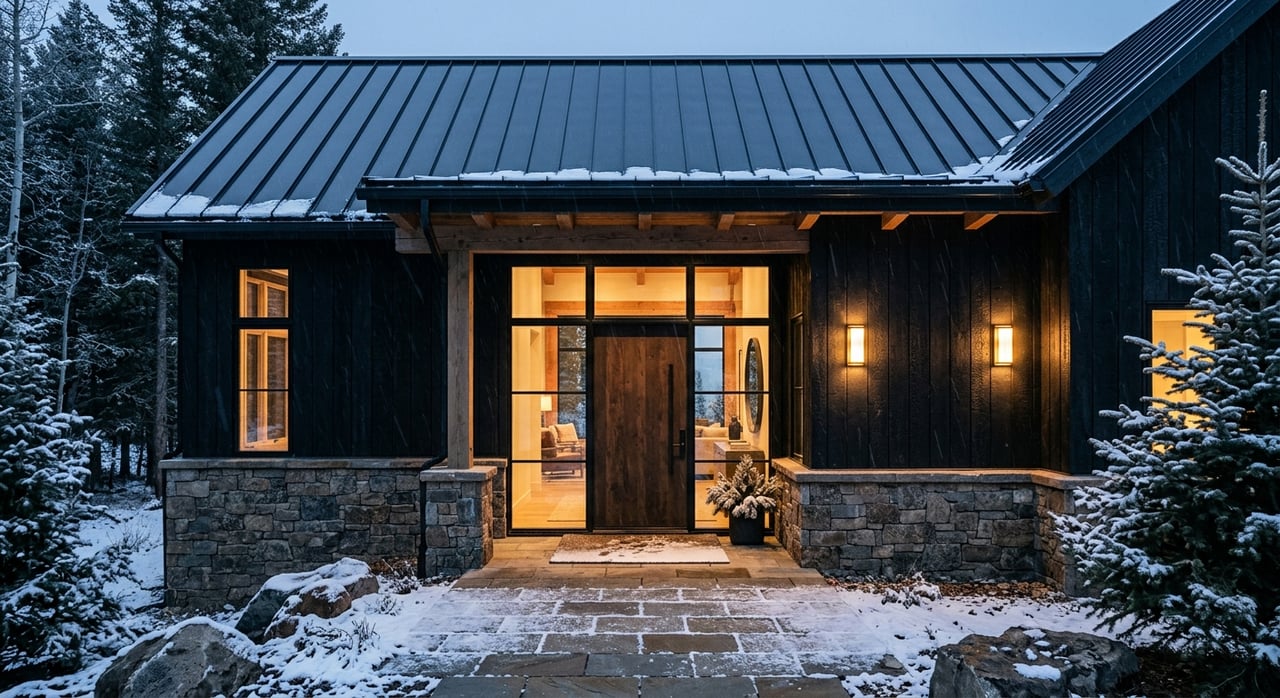
- Upgrade exterior lighting and add subtle seasonal decor.
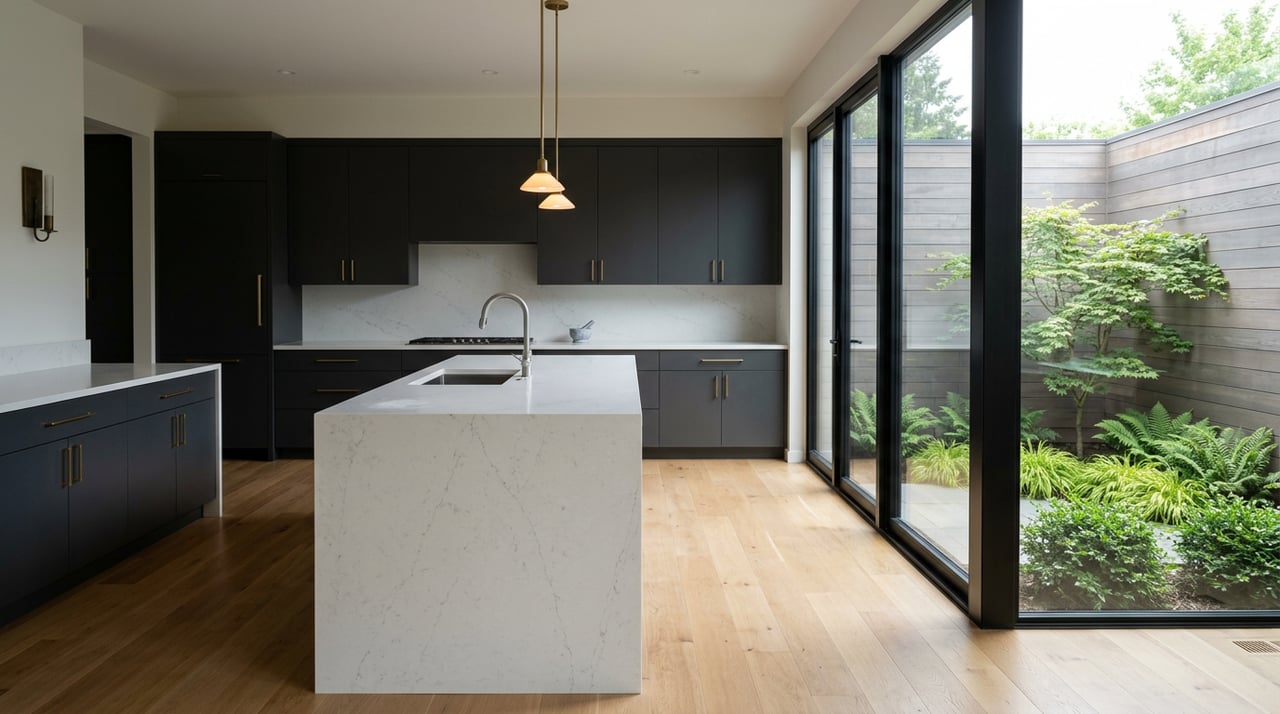
- Emphasize cozy interior staging with layered textures and warm lighting.
Interior showing tips for wet weather
- Protect floors with mats, shoe covers, and runner rugs at the entry.
- Replace bulbs and brighten spaces to counter gray days.
- Manage humidity and musty odors with HVAC and dehumidifiers.
Photography and virtual tours
Professional photos are essential. If you list in winter, invest in strong interior photography and high-quality virtual tours to offset limited exterior color. Timed daylight shots and twilight sessions help your home shine.
Is there an advantage to listing off-peak?
Yes, if you value less competition. Winter months bring fewer buyers, but serious ones keep shopping and inventory is often lower. A well-priced, well-prepped home can stand out and attract focused interest. If your home has unique features or sits in a tight micro-market, an off-peak launch can be a smart play.
Coordinating your buy and sell
If you need to buy and sell on the Eastside, pick a strategy that matches your finances and timing needs. Here are the common paths and trade-offs.
| Strategy | How it works | Pros | Cons | Best for |
|---|---|---|---|---|
| Sell first, then buy | List and close your sale before purchasing | Strong buying position with cash or non-contingent offer | Temporary housing and storage needs | Buyers who want maximum leverage and can bridge with short-term housing |
| Buy first, then sell | Secure your next home before listing your current one | Smooth move with less disruption | Carry two mortgages until your sale closes | Buyers with financial flexibility |
| Contingent offer | Your purchase depends on your home selling | Avoids bridge loans and temp housing | Weaker in competitive micro-markets | Slower segments or unique homes where contingencies are acceptable |
| Bridge loan and rent-back | Use short-term financing for down payment and negotiate staying after closing | Preserves buying power and offers timing flexibility | Interest, fees, and buyer preferences for possession | Sellers with strong equity who need flexibility |
Typical timelines and milestones:
- Escrow: 21 to 45 days depending on terms and loan type.
- Inspection and financing contingencies: usually 7 to 21 days.
- Rent-back periods: commonly 7 to 30 days with clear insurance and holdover language.
- Pre-list inspection and repairs: plan 2 to 6 weeks depending on scope.
Be transparent about your timing needs. If you request a long rent-back or a purchase contingency, consider pricing and incentives that keep your offer compelling.
A practical timing game plan
Here are three proven approaches to consider, especially if you want to align with school calendars or minimize disruption:
- Aggressive sell-first plan: List in early April, accept an offer within 1 to 3 weeks, and close in about 30 days. Move by late May or June, then buy your replacement in early to mid-summer when you can shop without a home sale contingency.
- Buy-first plan: Secure pre-approval and start your search in April or May. Close on your new home in June or July. List your current property in July to ride summer activity and manage a stress-reduced move.
- Hybrid with bridge loan and rent-back: Buy the right home when it appears in spring or early summer, use a bridge loan or HELOC for the down payment, then sell your current home in late spring or summer. Negotiate a short rent-back to align closing and move dates.
What to track before you pick a date
Ask your agent to pull weekly, neighborhood-level figures so you can time your launch with confidence. Focus on:
- Months of inventory by neighborhood and price band.
- Average days on market and how it shifts month to month.
- Sale-to-list price ratio and the share of sales over list.
- New listings and pending sales by month to gauge momentum.
- Active inventory trends compared to the prior year.
- Contractor schedules for pre-list improvements and staging.
Also review school calendar dates and enrollment timelines if family buyers are a likely audience. Complete Washington seller disclosures and consider a pre-listing inspection to reduce surprises.
Bottom line: When to list in Kirkland
For many sellers, the best time to list in Kirkland is late March through June, when buyer traffic peaks and curb appeal is at its strongest. If you prefer less competition and your home presents well, an off-peak launch can work too. Your ideal window depends on your micro-market, property type, and whether you need to coordinate a purchase.
If you want a custom timing plan built around your home and goals, connect with a local advisor who understands Kirkland’s neighborhood-level trends and Eastside move-up strategies. Ready to talk through your options? Let’s plan a stress-reduced path to your next address with Denise O'Connell.
FAQs
What is the best month to list a Kirkland single-family home?
- Spring to early summer often brings the widest buyer pool and the strongest tour counts. Your exact month should align with your neighborhood, price band, and prep timeline.
Does listing in winter ever make sense in Kirkland?
- Yes. Inventory is usually lower and serious buyers stay in the market. If your home is well prepared and priced right, you can benefit from less competition.
How do school calendars affect listing timing in Kirkland?
- Many buyers aim to close before the new school year. If your home appeals to families, late March through June can maximize demand and convenience for buyers.
Should I buy or sell first on the Eastside?
- It depends on your finances and risk tolerance. Sell-first improves buying power, buy-first reduces disruption, and bridge loans or rent-backs can create flexibility.
Which metrics should I review before I set a list date?
- Track months of inventory, days on market, sale-to-list price ratio, new vs. pending listings, and active inventory trends at the neighborhood and price-band level.
What prep should I prioritize for a spring launch in Kirkland?
- Focus on landscaping, exterior cleaning, minor paint and hardware updates, lighting upgrades, and professional photography timed for the best light.