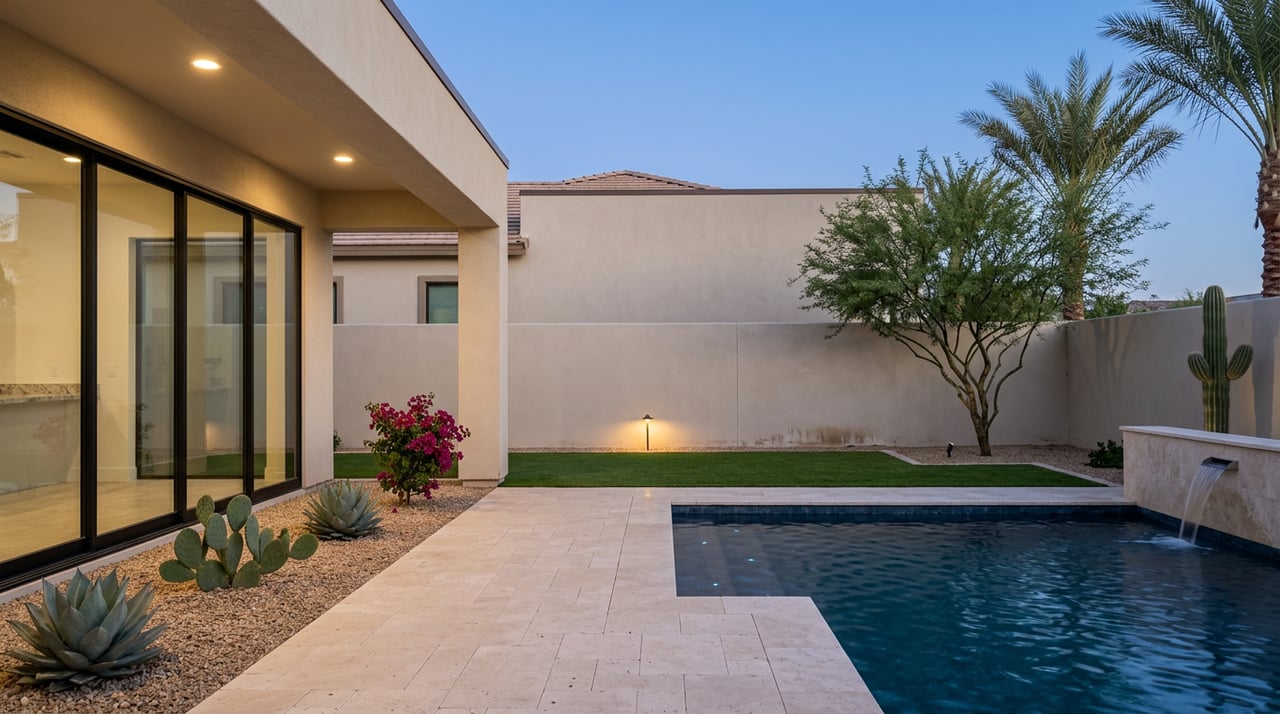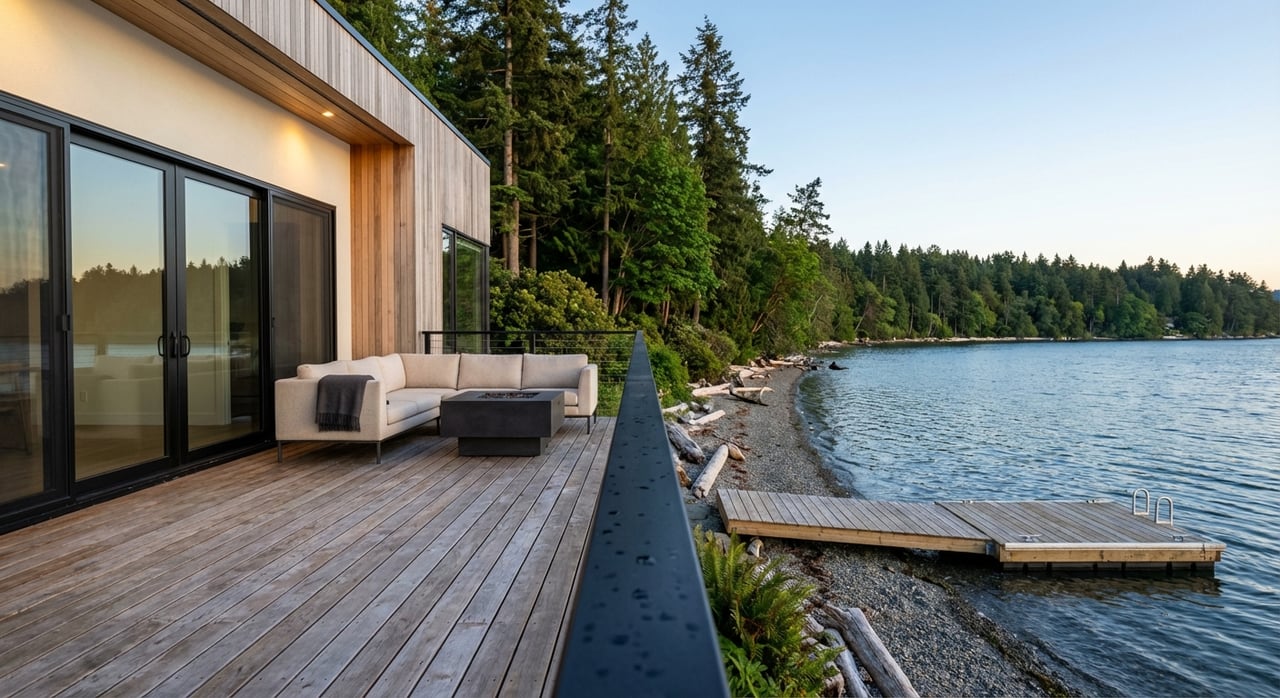

Planning to sell on Seattle’s Eastside and spend winters in North Scottsdale? You are not alone. Many clients juggle two very different markets that heat up at opposite times of the year. It can feel like a moving puzzle, but with the right plan you can protect your price on the Eastside and still arrive in Arizona when the weather is perfect.
In this guide, you will learn how seasonality differs between North Scottsdale and the Eastside, what that means for pricing and competition, and how to sequence your sale and purchase. You will also find practical strategies, financing options, and a clear timeline to keep you ahead of the curve. Let’s dive in.
Seasonality that shapes both markets
Seasonal patterns drive momentum in most U.S. housing markets. Spring and early summer usually bring the most buyers and new listings, while late fall and winter slow down. These cycles affect inventory, days on market, and negotiating power.
In North Scottsdale, climate is the key variable. Winter attracts seasonal residents from colder regions, which increases buyer traffic and second‑home demand. On the Eastside, local life events and the school calendar steer the market. Families plan moves in spring so they can settle before the next school year.
Interest rates and the broader economy act like a volume knob. Rates can expand or shrink buyer pools in any season. The pattern stays intact, but the level of intensity shifts.
Finally, logistics matter. Inspectors, appraisers, movers, and contractors get booked faster during peak windows. In North Scottsdale, that is winter. On the Eastside, it is spring. Build in lead time, especially if you want back‑to‑back closings.
North Scottsdale: winter demand wave
When demand peaks
From roughly November through March, North Scottsdale sees a surge of seasonal visitors and second‑home buyers. Many come from the Pacific Northwest, the Midwest, and Canada. This increases showings and offer activity on well‑located desert properties compared with the slower summer months.
Inventory and price signals
Inventory can rise into winter as part‑time owners list for the season. At the same time, buyer competition increases. The result is faster turn times and stronger pricing on desirable homes. Specialized or unique properties may follow their own timeline, but most lock‑and‑leave options and resort‑oriented homes feel the winter lift.
Timing for winter occupancy
If you want to use a Scottsdale home during December through March, start your search in early fall. September to November is the prime window to preview new listings and negotiate terms that allow you to take possession before peak winter.
On‑the‑ground logistics
Expect tighter scheduling for inspections, appraisals, and contractor bids during the winter season. Lenders and appraisers can also be busier. Build in a little extra cushion for your contingency periods and closing date.
Seattle’s Eastside: spring listing cycle
Peak listing window
The Eastside runs on school and job calendars. New listings and buyer tours tend to spike from late February through May. Families and relocation buyers focus on moving during spring and early summer to settle in before the fall.
Price and leverage shifts
Spring generally brings stronger demand and better sale prices on average. Winter months often offer more negotiating room for buyers, especially when inventory is higher or rates are suppressing activity. The seasonal swing on the Eastside is meaningful, even if winters are milder than in many regions.
Timing for sellers
If your goal is to maximize exposure and price, prepare early so you can hit the market in late winter or spring. This timing helps you connect with the largest pool of active buyers.
Local demand triggers
Hiring cycles and major job announcements in tech can create short bursts of demand. Stay attuned to corporate activity that may impact specific Eastside submarkets.
Aligning two markets without stress
Core tradeoffs to decide upfront
- Do you need Scottsdale winter occupancy this season, or can you wait until a later window?
- How much overlap can you carry if you buy before you sell?
- Which matters more today: maximizing your Eastside sale price or securing a Scottsdale home for this winter?
Four timing strategies that work
- Buy Scottsdale first, then sell Eastside in spring
- Pros: Secures your winter home and avoids weak contingent offers. You can move on your timeline.
- Cons: Requires liquidity and tolerance for short‑term overlap. You will hold two properties until your Eastside sale closes.
- Practical steps: Obtain second‑home pre‑approval, explore bridge loan or HELOC options, and confirm tax and occupancy rules with your lender.
- Sell Eastside first in peak spring, then buy Scottsdale later
- Pros: Maximizes sale proceeds and simplifies financing. No overlap risk.
- Cons: You may miss winter use in Scottsdale unless both sides line up perfectly.
- Practical steps: Plan temporary housing, and monitor North Scottsdale listings so you are ready to act if a strong winter opportunity appears.
- Use a sale contingency or back‑to‑back close
- Pros: Ties the sale and purchase together to reduce overlap.
- Cons: In a competitive Scottsdale winter market, contingent offers are weaker and may get passed over.
- Practical steps: Sharpen your offer with tight timelines, meaningful earnest money, and clear proof of funds.
- Hybrid approach: list late winter on the Eastside while making non‑contingent Scottsdale offers
- Pros: Balances price potential on your sale with the ability to secure a winter home.
- Cons: Requires careful financing and clear exit strategies if one side lags.
- Practical steps: Coordinate with your lender on temporary financing, set maximum exposure limits, and map decision deadlines.
Financing choices to evaluate
- Second‑home loans often require higher down payments and tighter debt‑to‑income ratios than primary mortgages. Rates and terms may differ.
- Bridge loans or HELOCs can fund a purchase before your sale closes, but they come with higher rates and fees. Know your costs and timeline.
- Cash offers stand out in Scottsdale’s winter season, where certainty is prized by many second‑home sellers.
- Rate locks can be tricky when closings are weeks apart. Ask about extended locks and float‑down options, and budget for any fees.
- Confirm occupancy definitions with your lender. Second‑home loans typically do not allow short‑term rental use under primary‑residence terms.
Offer tactics that win in Scottsdale
- Arrive with a strong pre‑approval or proof of funds and present a clean offer.
- Short but realistic contingency windows show confidence while protecting you from rushed decisions.
- Consider flexible terms like a seller leaseback or a tailored closing date to match the seller’s plans.
Operational planning across two states
- Schedule inspectors and appraisers early during Scottsdale’s winter season.
- Line up trusted vendors for property checks, landscaping, and routine maintenance if you will be away part of the year.
- Verify HOA and local rules if you plan to rent when not in residence.
A practical cross‑market timeline
Use this sample flow to stay a step ahead. Adjust dates to fit your exact goals and financing.
- Early fall: Define must‑have features for Scottsdale. Get second‑home pre‑approval. Explore bridge or HELOC options. Set a maximum overlap budget.
- September to November: Start active Scottsdale tours and shortlist properties. Prepare your Eastside home for market with repairs, staging, and marketing prep.
- November to December: Aim to negotiate Scottsdale terms that allow early winter occupancy if that is your priority. Build buffer time for inspections and appraisal.
- Late January to May: Launch your Eastside listing to capture spring buyers. Use showing feedback and offer volume to fine‑tune pricing and timing.
- Throughout: Maintain weekly check‑ins with your lender and both local agents. Confirm backup plans if one timeline shifts.
Metrics to watch and sources to consult
Track a few simple indicators to stay grounded in real time:
- New listings per week or month
- Pending sales and time to contract
- Days on market and months of inventory
- Median price trends and sale‑to‑list ratios
- Price reduction frequency and multiple‑offer signals
Primary sources for current data include market reports from the Arizona Regional MLS for Scottsdale and the Northwest MLS for the Eastside. City and county records, local brokerage snapshots, and national research from industry groups can add helpful context. Use these to confirm the current amplitude of seasonal swings before you lock your plan.
Work with a dual‑market advisor
Managing two markets is more than a calendar exercise. You need a partner who knows how winter demand in North Scottsdale interacts with spring momentum on the Eastside, and who can line up financing, scheduling, and negotiation strategies around your goals.
If you are ready to map your timing and build a tailored plan, connect with a seasoned advisor who works both sides of this route. Let’s align your sale and purchase so you enjoy Scottsdale sunshine without leaving Eastside value on the table. Reach out to Denise O'Connell to start the conversation.
FAQs
When should I start a Scottsdale search for winter use?
- Begin in early fall. Many winter‑season listings surface from September to November, which gives you time to inspect, negotiate, and close before peak demand.
Is winter a good time to buy on Seattle’s Eastside?
- Winter can offer buyers more negotiating room due to lower activity, but spring typically delivers stronger demand and prices for sellers. Your choice depends on goals.
How does a bridge loan help with buying before selling?
- A bridge loan or HELOC can unlock equity from your Eastside home so you can write a non‑contingent Scottsdale offer, then pay it off after your sale closes.
Are contingent offers competitive in Scottsdale’s winter season?
- They are usually less competitive when demand is high. To improve your odds, shorten timelines, strengthen earnest money, and provide clear proof of funds.
What inspections and scheduling should I plan for in winter?
- Book inspectors and appraisers early, and allow extra buffer in your contract. Vendors and lenders are busy during Scottsdale’s peak season.
Can I rent my Scottsdale home when I am not there?
- Rules vary by HOA and city. If you plan to rent, verify local regulations and lender occupancy requirements before you buy.