If you are considering Desert Mountain, you are not just buying a home. You are buying into a large, private golf community with multiple membership paths, distinct village rules, and a wide range of home styles and price points. That can be exciting, but it also means the details matter. This guide will help you understand what luxury golf buyers should know before making an offer in Desert Mountain. Let’s dive in.
Why Desert Mountain Stands Out
Desert Mountain is one of the most expansive private golf communities in North Scottsdale. Official community information places it at roughly 8,300 to 8,800 acres, with more than 5,000 residents across 35 villages and about 68 miles of roads. Every village is gated, which adds to the private, structured feel many second-home and seasonal buyers want.
The scale of the club is a major part of the appeal. Desert Mountain features six Jack Nicklaus Signature championship courses, plus No. 7, a par-54 course tied closely to the newer Seven enclave. The club also highlights seven clubhouses, 10 restaurants and grills, a 42,000-square-foot Sonoran Clubhouse, nine tennis courts, eight pickleball courts, 25 miles of private hiking trails, and more than 40 social clubs.
For buyers comparing North Scottsdale options, that breadth is unusual. In practical terms, Desert Mountain tends to fit buyers who want the widest range of golf and club experiences within one private residential setting.
Membership Is a Core Buying Issue
One of the most important things to understand is that buying a home in Desert Mountain does not automatically mean you have club membership. Ownership creates the opportunity to apply, but access depends on approval and the membership category involved. That distinction matters because many buyers assume the club experience comes with the deed, and that is not always the case.
The club publicly references three membership categories: Full Golf, Seven Golf, and Lifestyle. For purchases in Seven Desert Mountain, the club states that all three categories are reserved for approved buyers and are not subject to a waitlist. Even there, though, membership approval and the closing process still affect how the transaction moves forward.
Another key point is that the most important membership cost details may not appear in listing remarks. The club tells agents that initiation fees, monthly dues, offerings, and availability are subject to change and should not be published in MLS comments. That means you should verify current figures and transfer rules directly through the proper channels during due diligence.
What Membership Questions to Ask Early
Before you get too far into a purchase, ask focused questions about the membership status tied to the property. This can save time, avoid surprises, and help you compare homes more accurately.
Here are the most important questions to answer:
- Which membership category, if any, is connected to the home?
- Is the membership transferable under current club rules?
- Will you need to apply separately for membership approval?
- If the property is in Seven, what membership contingency and closing steps apply?
- At what point in the contract timeline does earnest money become non-refundable?
- Are there any current limits on availability or changes in dues and initiation costs?
The goal is simple: make sure you understand both the lifestyle access and the financial commitment before you commit to the home itself.
Home Types Cover a Wide Range
Desert Mountain offers more variety than many buyers expect from a private golf community. Official village information shows custom homes ranging from about $1,199,000 to $16,500,000. Villas, cottages, and patio homes are listed from about $800,000 to $3,700,000, while future estate lots range from about $195,000 to $2,495,000.
There is also Seven Desert Mountain, with pricing shown from about $1,434,254 to $6,995,000. The Seven overview describes builder product from roughly 2,400 to more than 6,500 square feet, with one-story and two-story options, plus some basement plans. For luxury buyers who want newer construction with a club-centered concept, Seven may deserve a closer look.
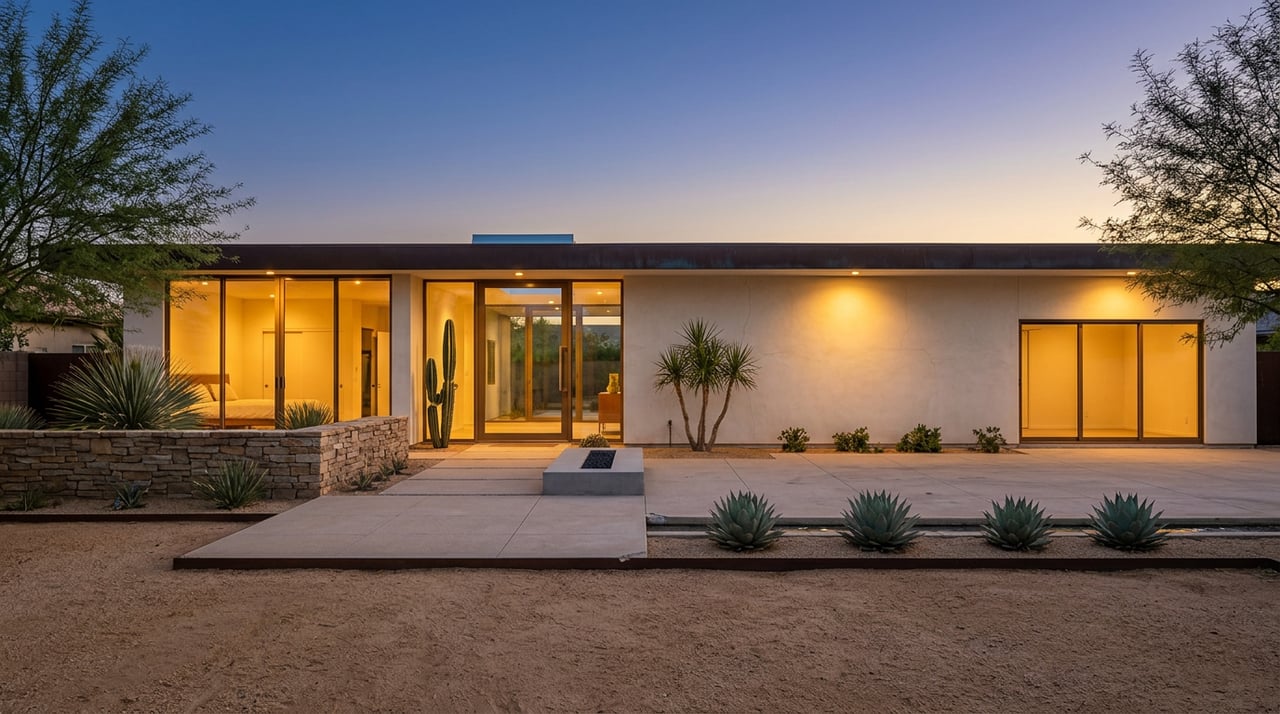
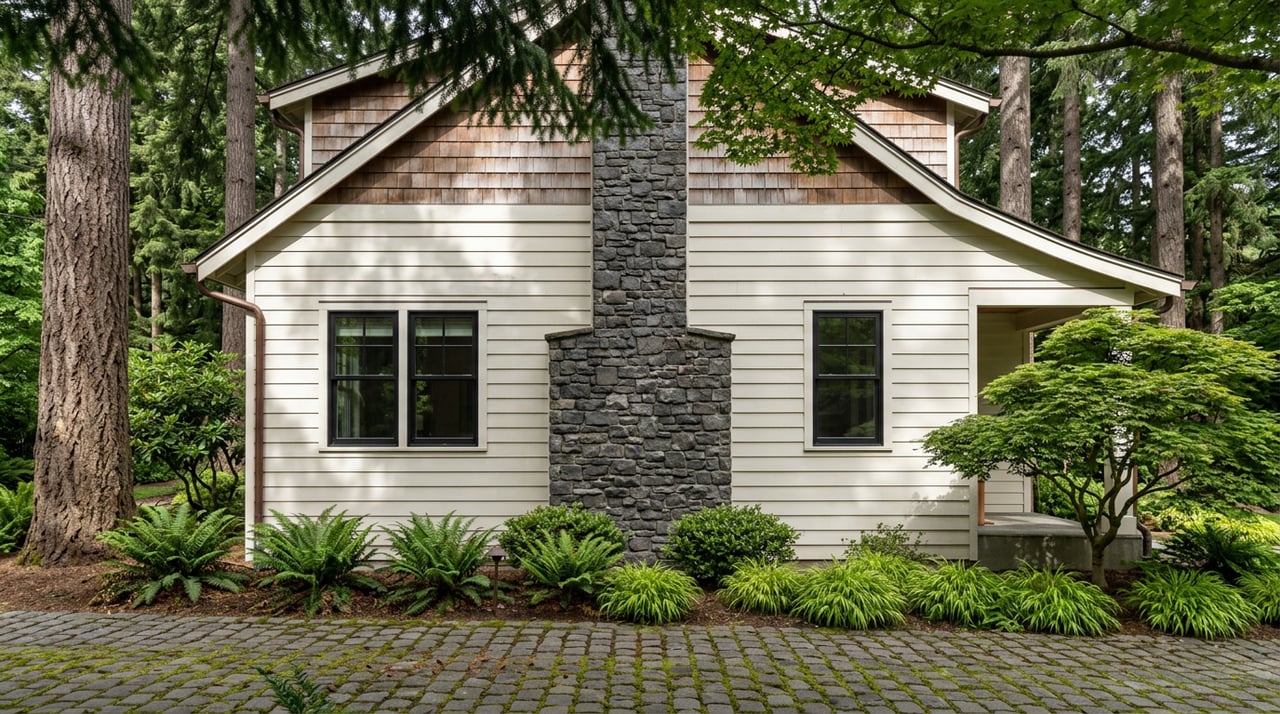
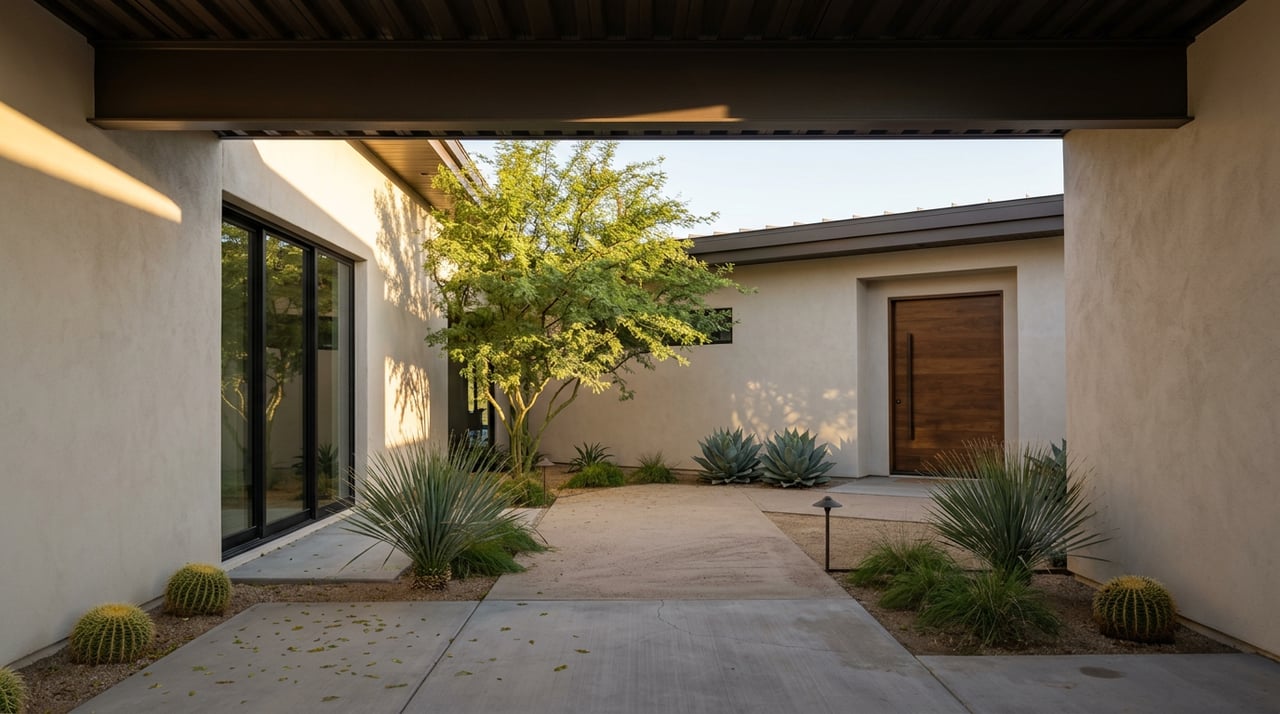
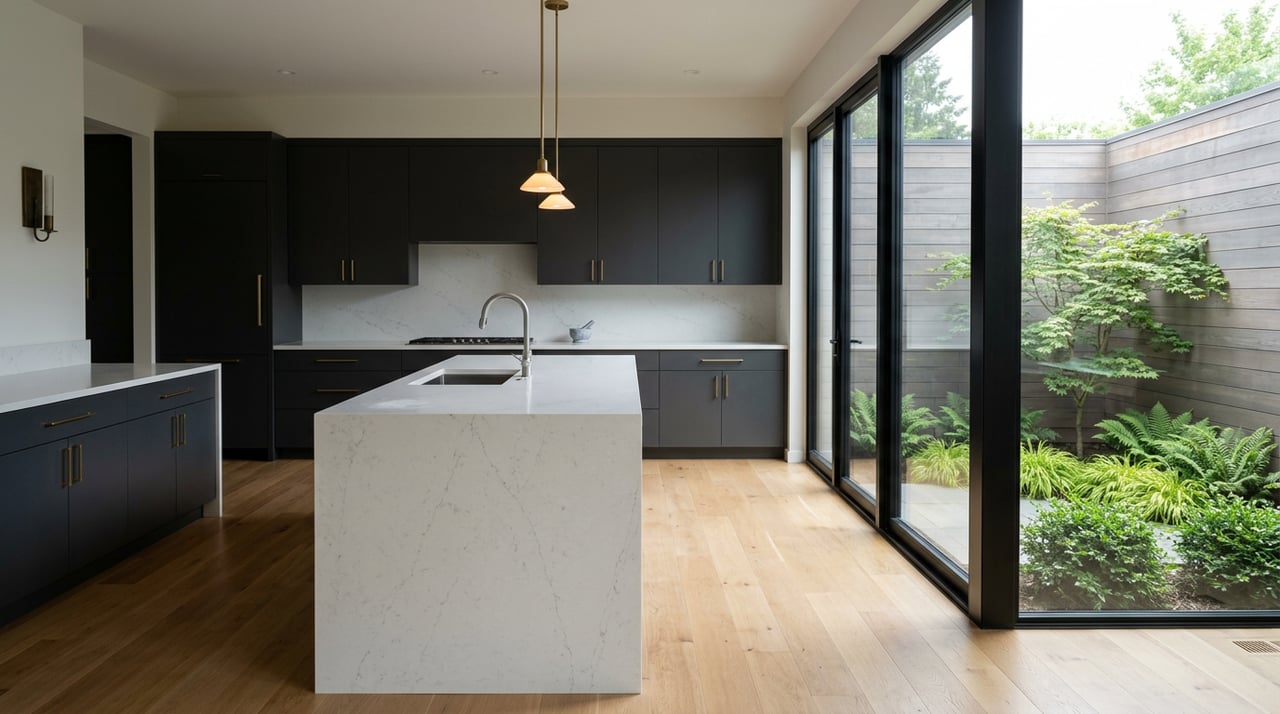
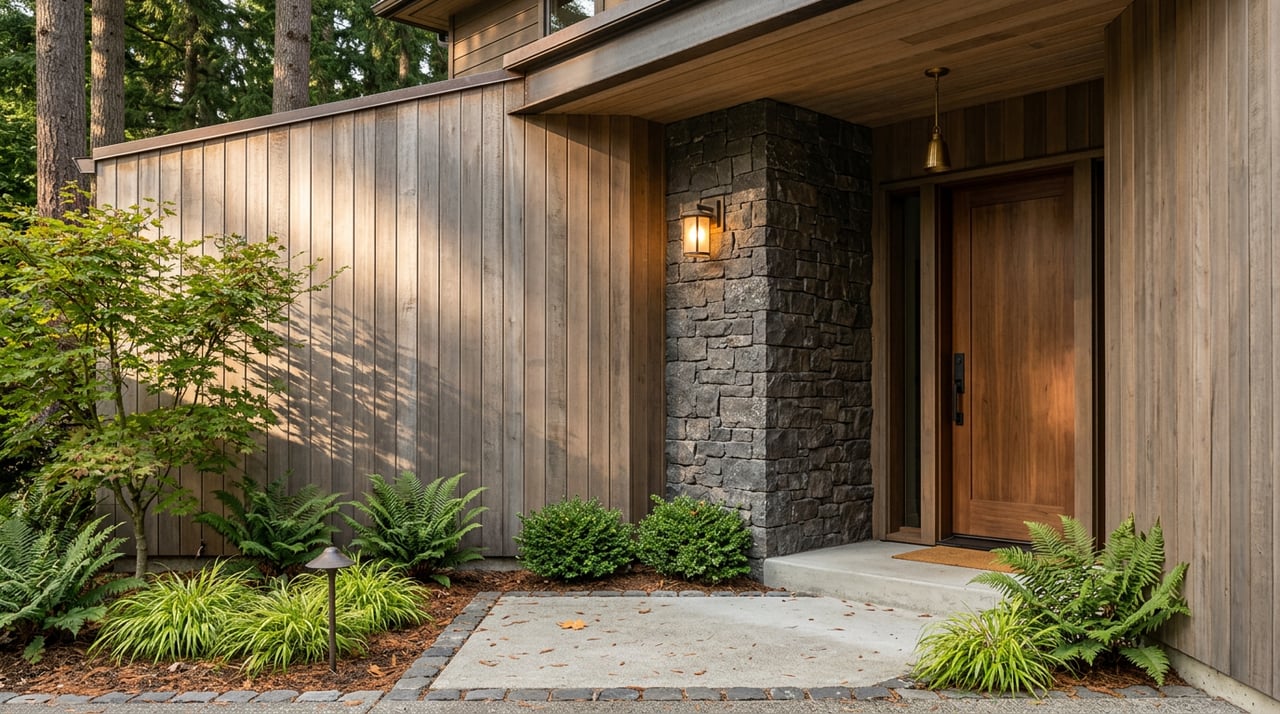
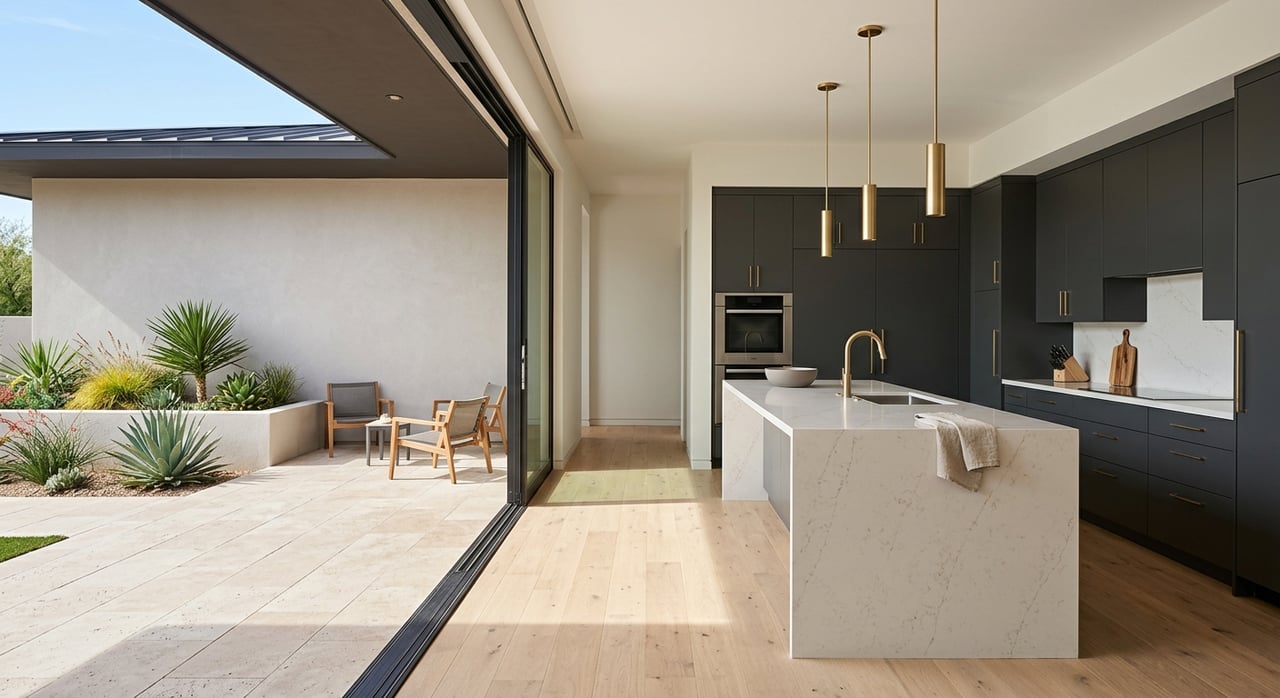
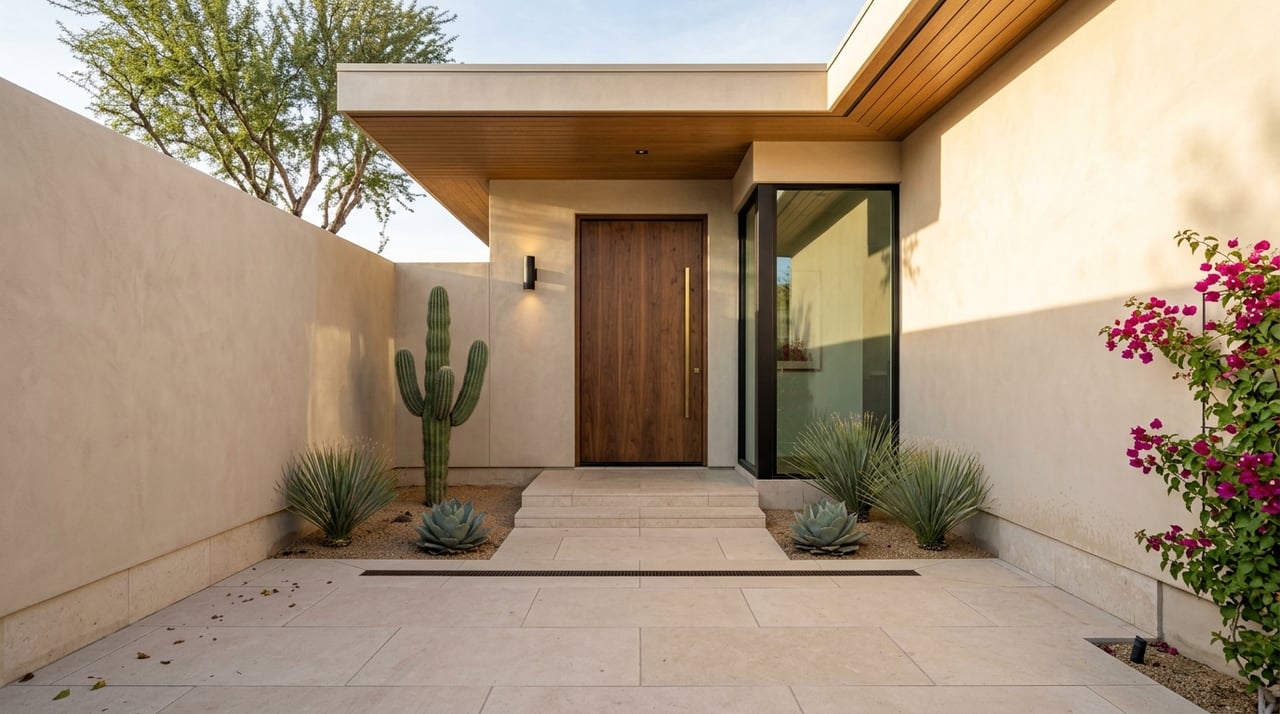
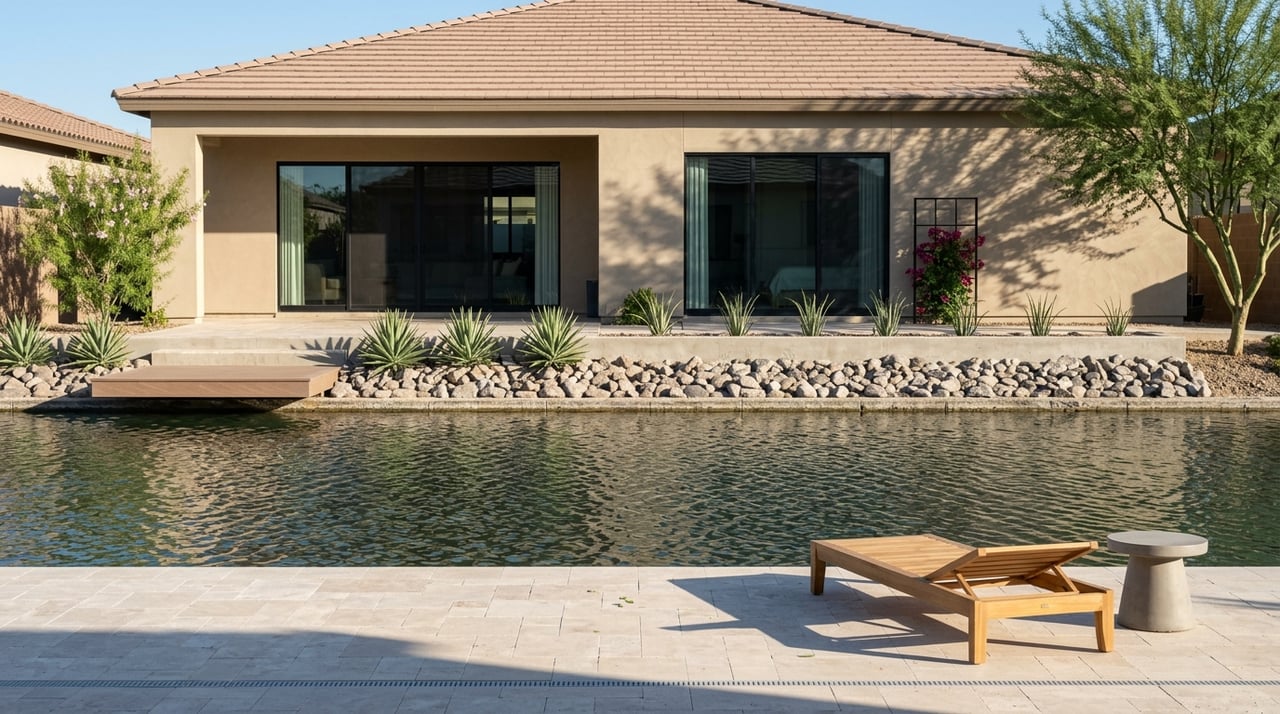
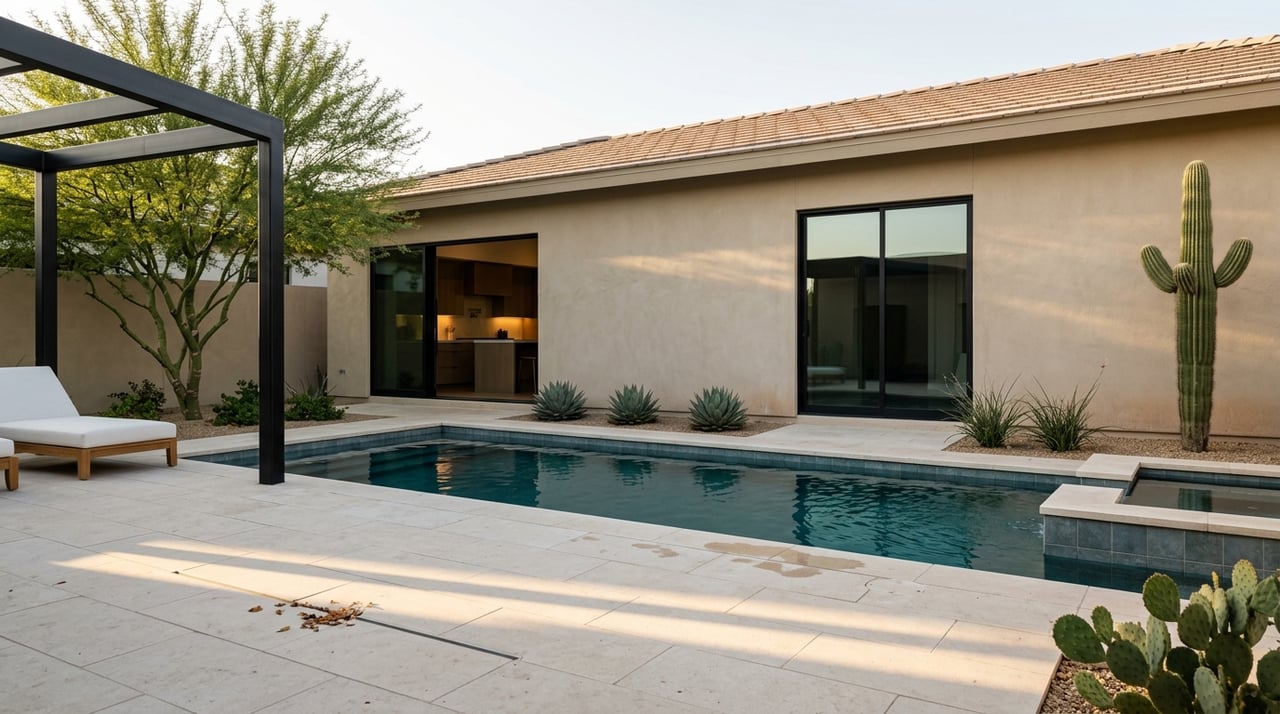
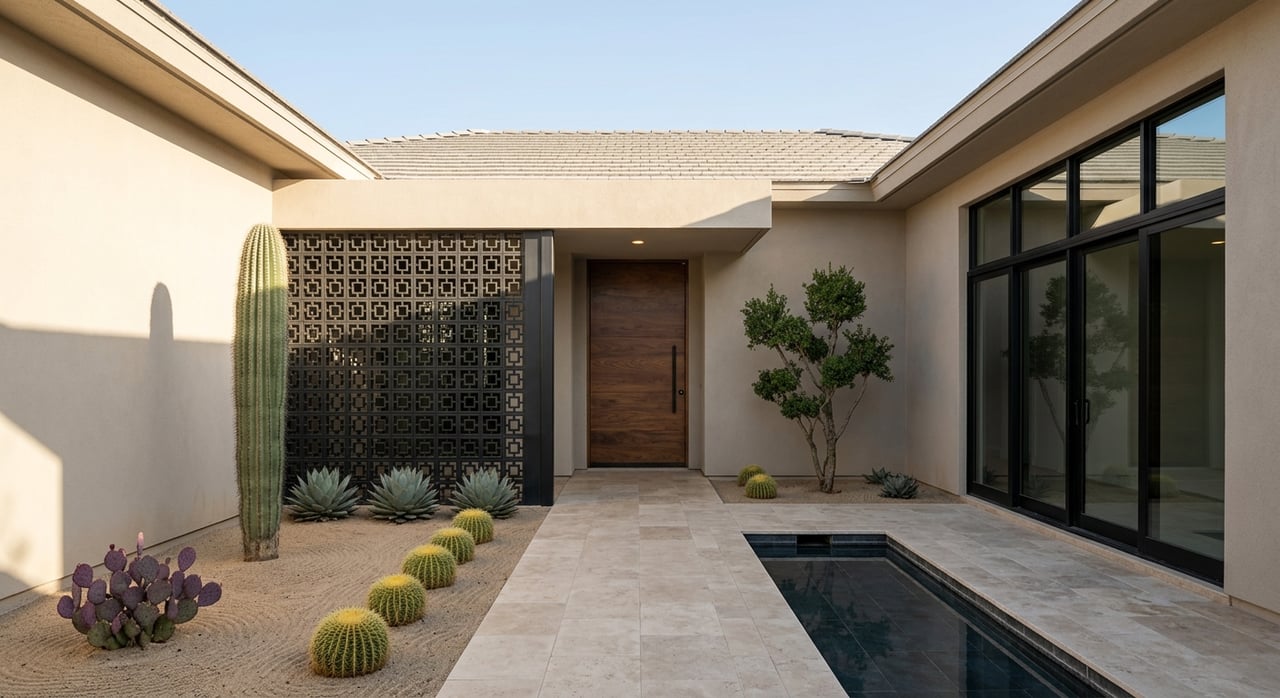
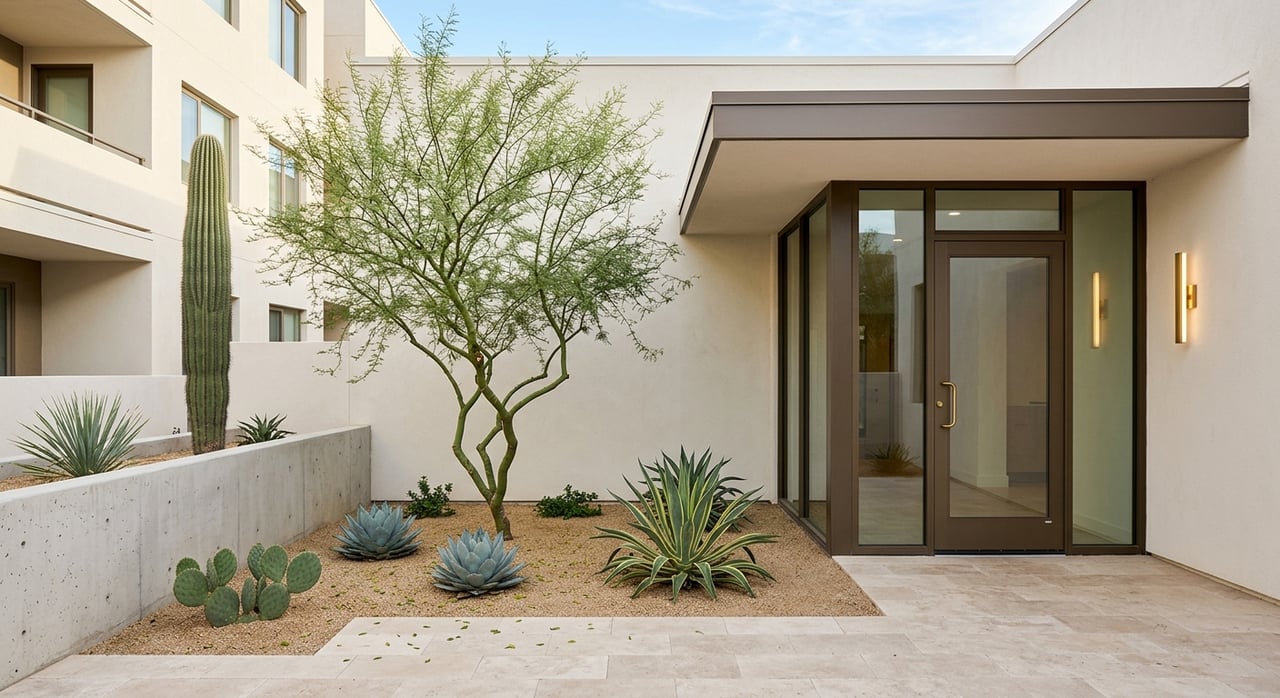
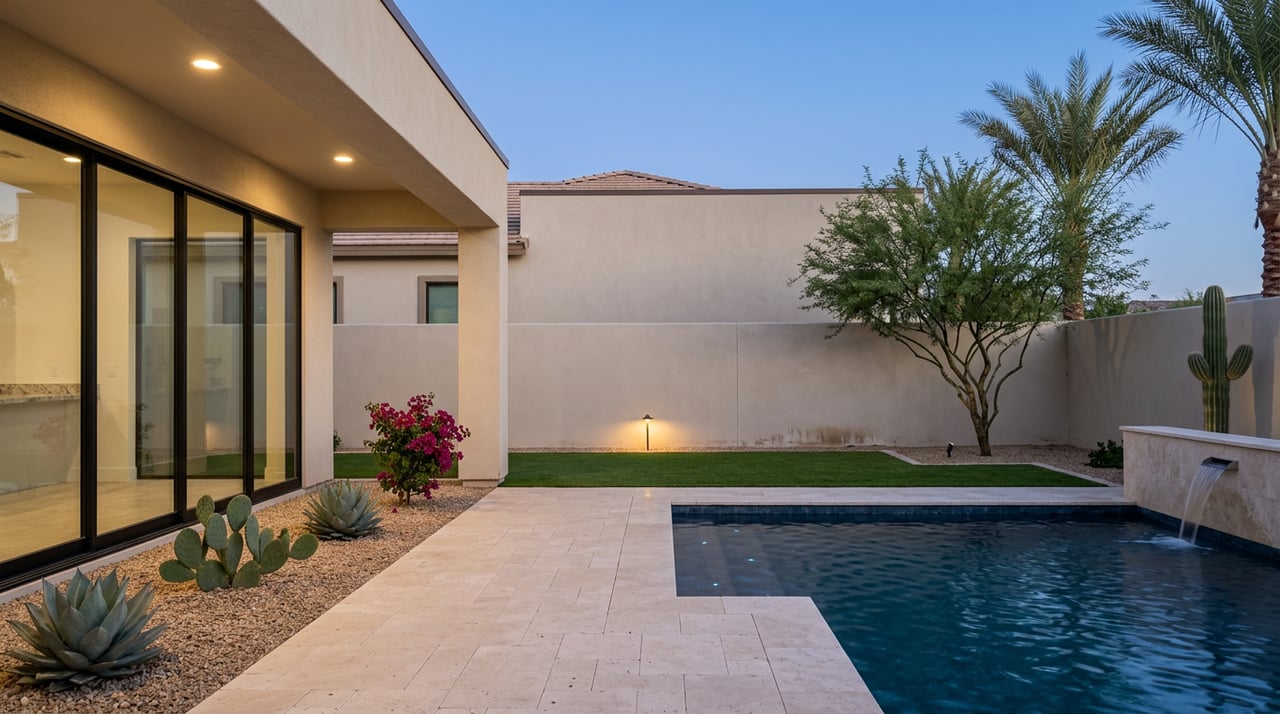
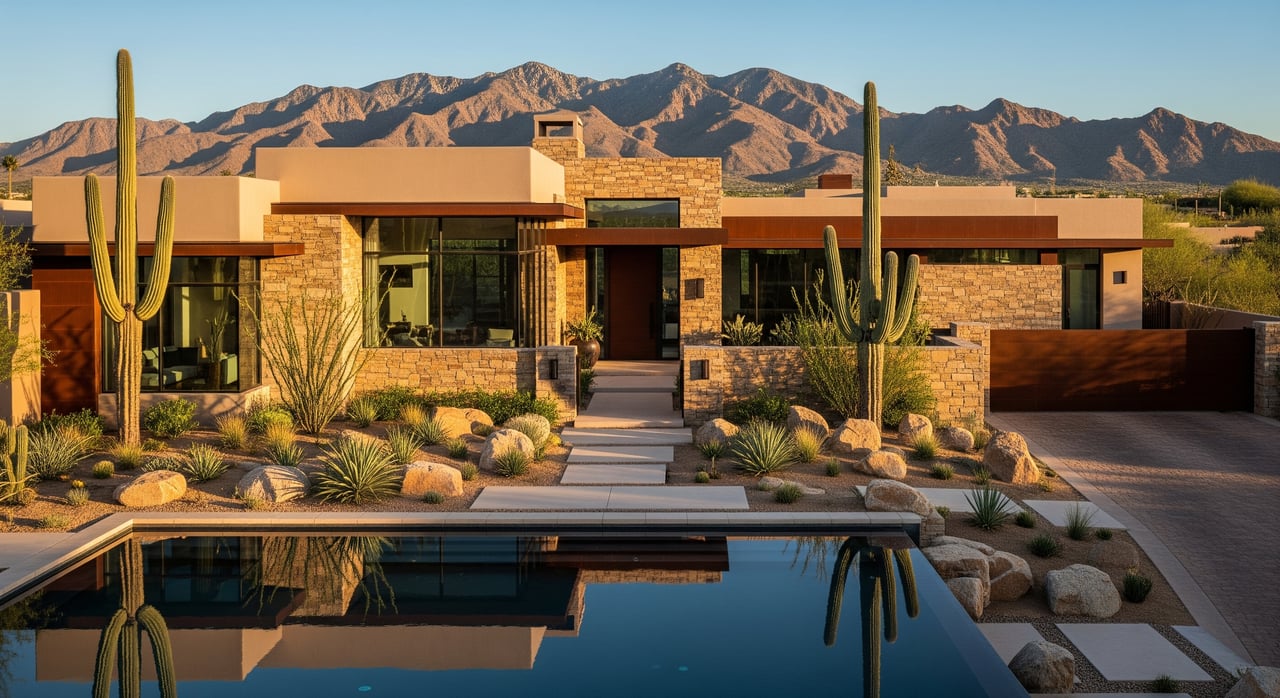
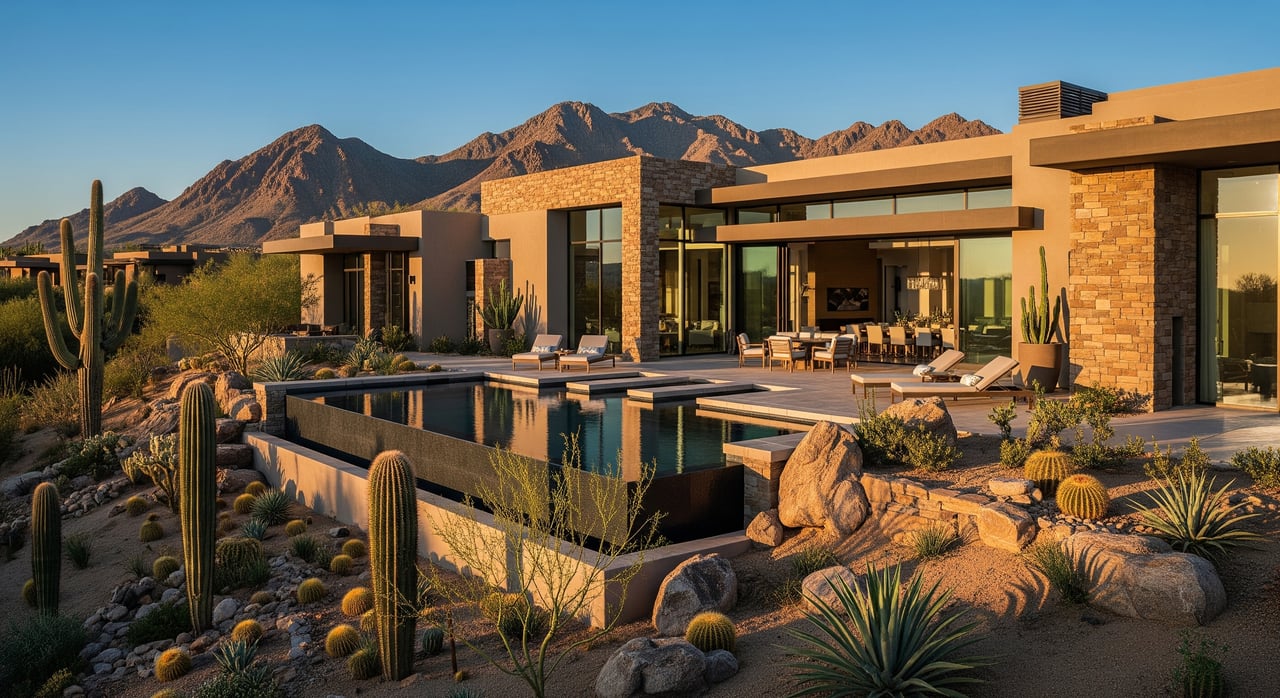
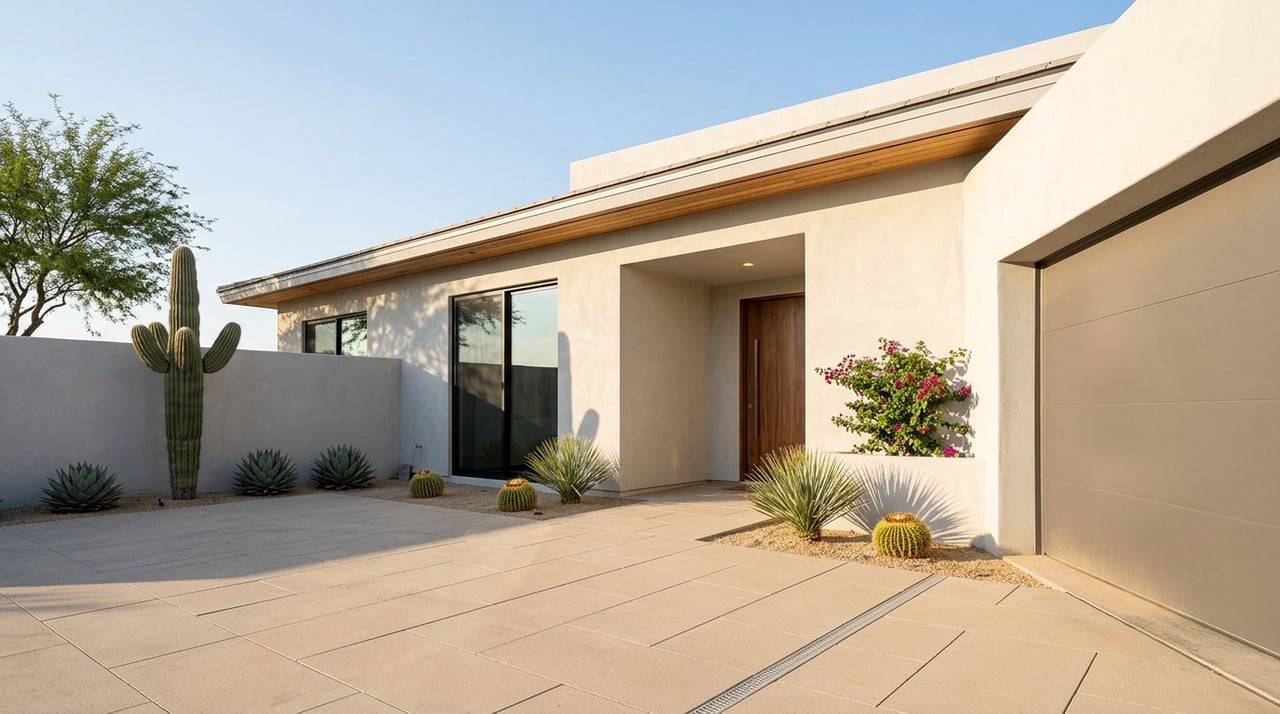
Architecturally, the community includes contemporary, Southwest, Santa Fe, and Spanish Colonial styles. That mix gives buyers flexibility, whether you prefer a more traditional desert design or a cleaner, modern look.
Best Fits for Lock-and-Leave Buyers
If you are shopping for a second home or seasonal retreat, maintenance level should be high on your list. Desert Mountain specifically positions its villas, cottages, and patio homes as low-maintenance lock-and-leave residences. That makes them especially appealing if you split time between Arizona and another market.
The Seven enclave can also be attractive for buyers who want a lower-maintenance ownership experience with club access tied closely to the purchase process. Still, “lock-and-leave” can mean different things from one property to another. Some homes may still require more exterior care, upkeep coordination, or systems oversight than you expect.
This is why property-specific review matters. You want to confirm not just the floor plan and finish level, but also how easy the home will be to own when you are away.
Carrying Costs Go Beyond Price
In Desert Mountain, the purchase price is only part of the financial picture. Buyers also need to account for club costs, HOA assessments, and resale-related fees. Looking at the full ownership cost helps you compare options more accurately.
The HOA states that assessments are billed semi-annually on January 1 and July 1. Village-specific dues vary significantly depending on the village and whether the property is a lot or an improved home. Two homes at similar price points may carry meaningfully different ongoing costs based on where they sit within the community.
The Master Association resale disclosure page also notes a $382 CCMC estoppel fee and an $18 HomeWiseDocs processing fee. It further states that Desert Mountain and its villages do not charge a transfer fee. These are not the largest line items in a luxury purchase, but they are still part of a complete closing-cost review.
Rental Rules Need Careful Review
Rental policy is one of the biggest due diligence issues in Desert Mountain, especially for seasonal owners and second-home buyers. The HOA states that the community is generally subject to a minimum 30-day rental period. There is an exception for eligible renters who are current Desert Mountain property owners or current Desert Mountain Club members, but even then, six villages keep the same 30-day minimum.
The HOA also requires prior notice to the DMMA office, rental registration, city contact information, and a specific short-term-rental disclaimer. It also states that owners should not advertise club amenities in rental ads. If rental flexibility matters to you, these details should be reviewed before you write or remove contingencies.
This is especially important because village-level rules may be stricter than the community-wide baseline. A home that looks like a good part-time investment on paper may operate differently once you review the actual village restrictions.
Daily Living and Access Considerations
Large private communities often have practical ownership details that do not show up in listing photos. In Desert Mountain, gate access is one of them. Since all villages are gated, understanding how owner and guest access works can make everyday use easier, especially for seasonal households.
The HOA notes that eGo tags provide automatic access to all villages, plus the Main Gate and Desert Hills Gate. Guests are managed through GateAccess.net. For buyers who expect regular visitors, service providers, or family arrivals while they are away, these access systems are worth understanding upfront.
How Desert Mountain Compares Nearby
Many luxury golf buyers look at several North Scottsdale communities before deciding. Desert Mountain is often viewed as the broadest private-club campus in the area because of its scale, number of courses, and variety of club amenities. If your top priority is golf variety within one private setting, it tends to stand out.
By comparison, Silverleaf is a smaller private club community with one Tom Weiskopf 18-hole course, a 50,000-square-foot clubhouse, spa, pools, and two membership categories. DC Ranch offers a private course-club setting with a neighborhood and family-program emphasis. Troon North has a different model, with two courses and more of a public daily-fee golf feel than a private residential club.
Desert Highlands is perhaps closer in spirit because membership is tied to ownership, but it centers on a single Jack Nicklaus Signature course and a smaller private community. None of these options is universally better. The right fit depends on whether you want maximum golf variety, a more intimate club environment, or a different ownership structure.
Smart Questions Before You Make an Offer
In a community like Desert Mountain, a well-written offer starts with clear answers. Before moving forward, make sure your due diligence covers the property, the village, and the club relationship.
Use this checklist as a starting point:
- Confirm the exact membership category tied to the property, if any
- Verify whether membership can transfer under current club rules
- Review the specific village HOA dues for that home or lot
- Check whether that village has stricter rental limits than the community baseline
- Evaluate whether the property truly fits a lock-and-leave lifestyle
- Clarify any Seven-specific approval and closing requirements
- Understand recurring costs beyond the purchase price
For luxury buyers, this kind of clarity is not a small detail. It is what helps you buy with confidence.
The Bottom Line for Luxury Golf Buyers
Desert Mountain offers a rare combination of scale, privacy, golf variety, and housing choice. For the right buyer, it can be an outstanding fit, especially if you want a private North Scottsdale club environment with multiple courses, broad amenities, and options ranging from low-maintenance villas to custom estates.
At the same time, Desert Mountain rewards careful due diligence. Membership structure, transferability, village-specific dues, rental rules, and lock-and-leave practicality all deserve close review before you move ahead. When those pieces are understood early, you can focus on choosing the property and lifestyle that truly match your goals.
If you are considering a purchase in Desert Mountain and want discreet, senior-level guidance through the details, Denise OConnell offers a high-touch approach tailored to luxury and second-home buyers in North Scottsdale.
FAQs
What should buyers know about Desert Mountain club membership?
- Buying a home in Desert Mountain creates the opportunity to apply for membership, but membership is not automatic and depends on approval, category, and current club rules.
What home types are available in Desert Mountain for luxury buyers?
- Desert Mountain includes custom homes, villas, cottages, patio homes, future estate lots, and homes in Seven Desert Mountain, with a wide range of price points and architectural styles.
What makes Desert Mountain a good fit for lock-and-leave living?
- Villas, cottages, patio homes, and some homes in Seven are positioned as lower-maintenance options, but you should still confirm the actual upkeep requirements of any specific property.
What rental rules apply to Desert Mountain properties?
- Desert Mountain generally has a 30-day minimum rental period, with certain exceptions for eligible renters, while some villages keep the 30-day minimum even for those eligible renters.
What extra costs should buyers expect in Desert Mountain?
- In addition to the purchase price, you should review club costs, village-specific HOA assessments, and resale-related fees such as the estoppel and processing charges listed by the HOA.
How does Desert Mountain compare with other North Scottsdale golf communities?
- Desert Mountain is generally the most expansive option for buyers who want the broadest private-club campus and the most golf variety within one gated residential community.