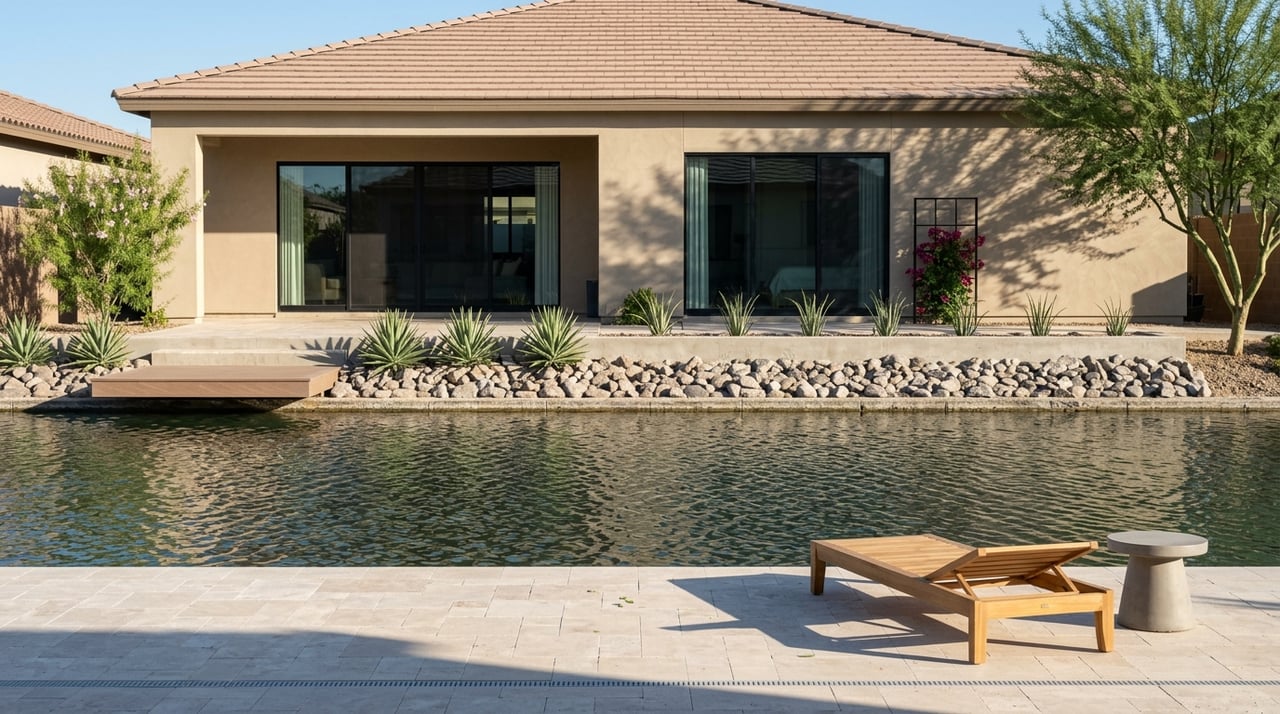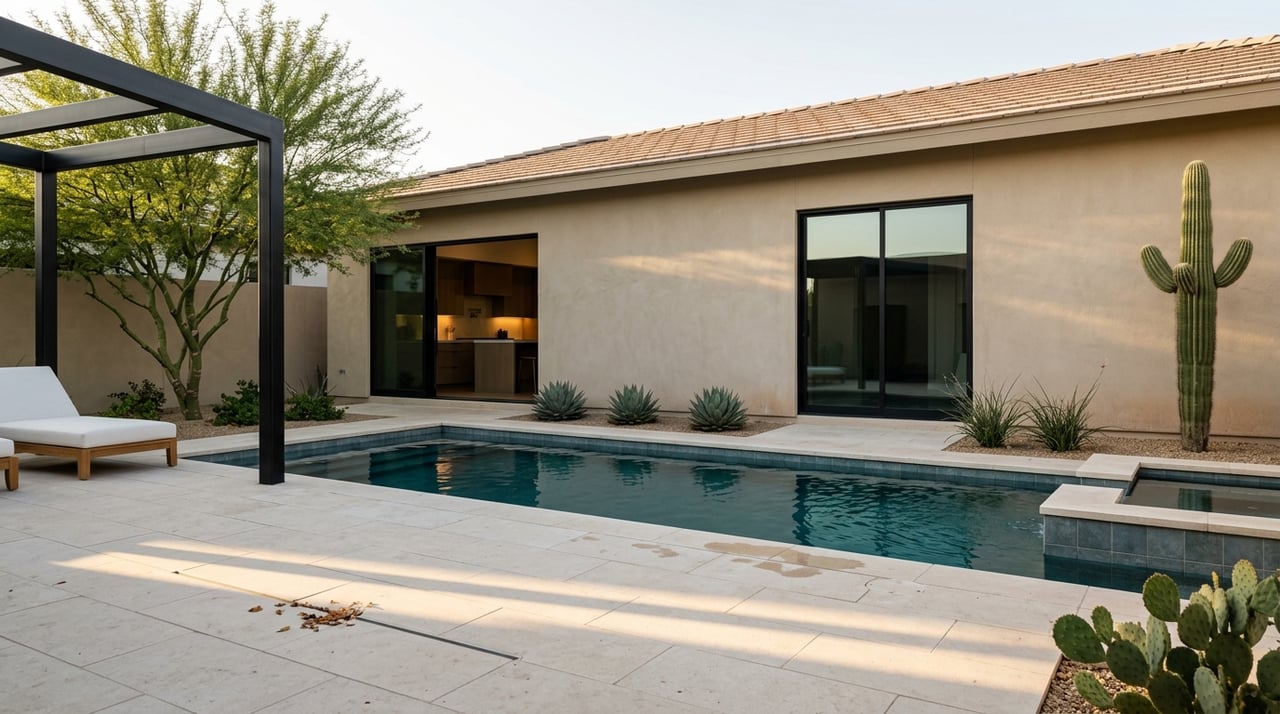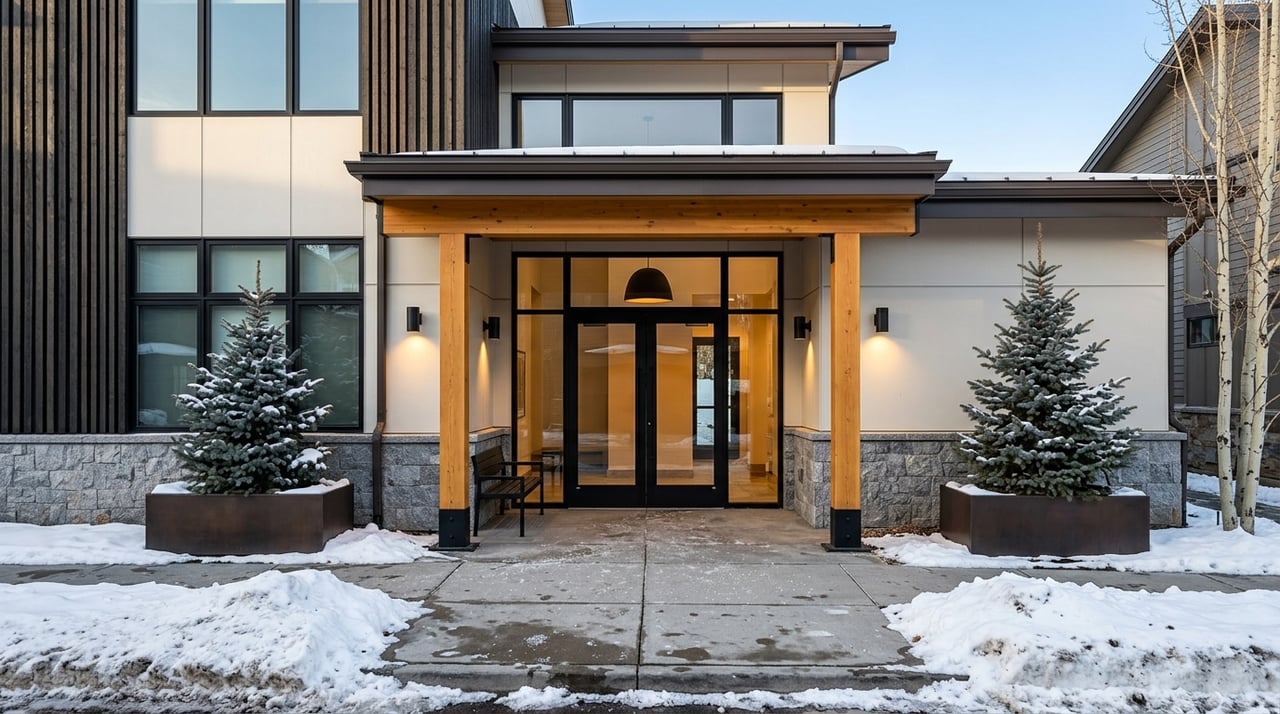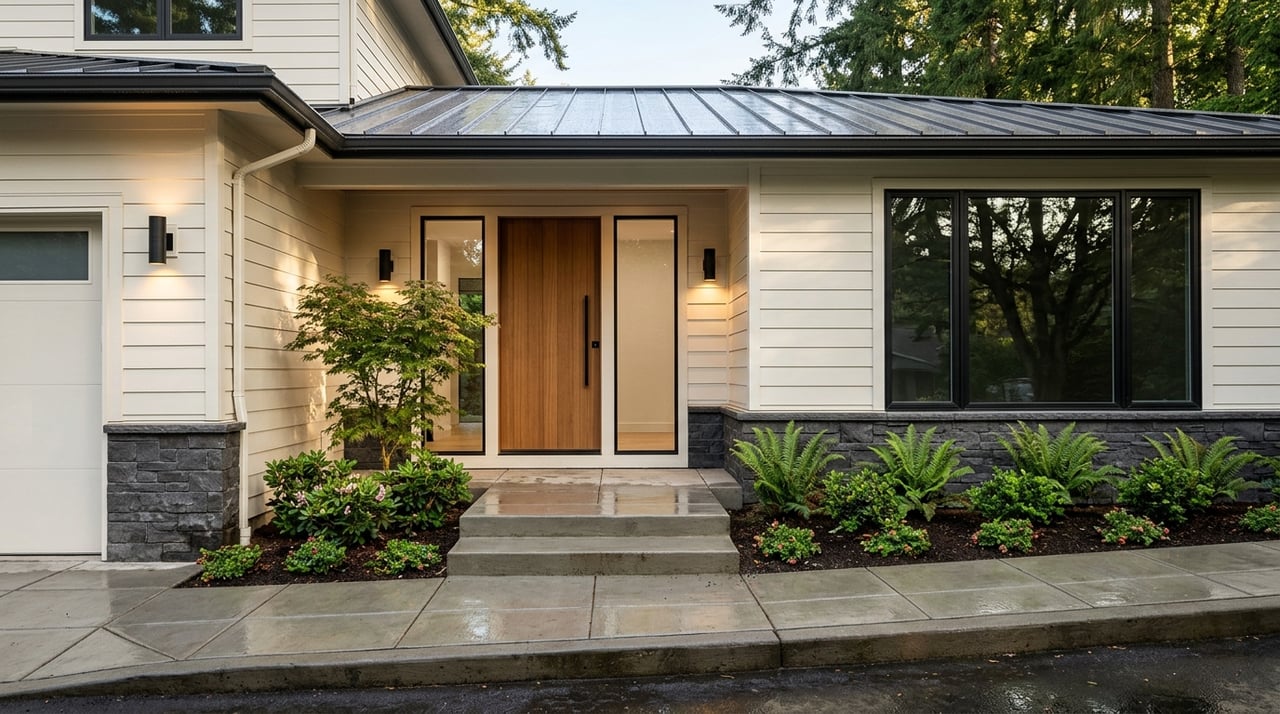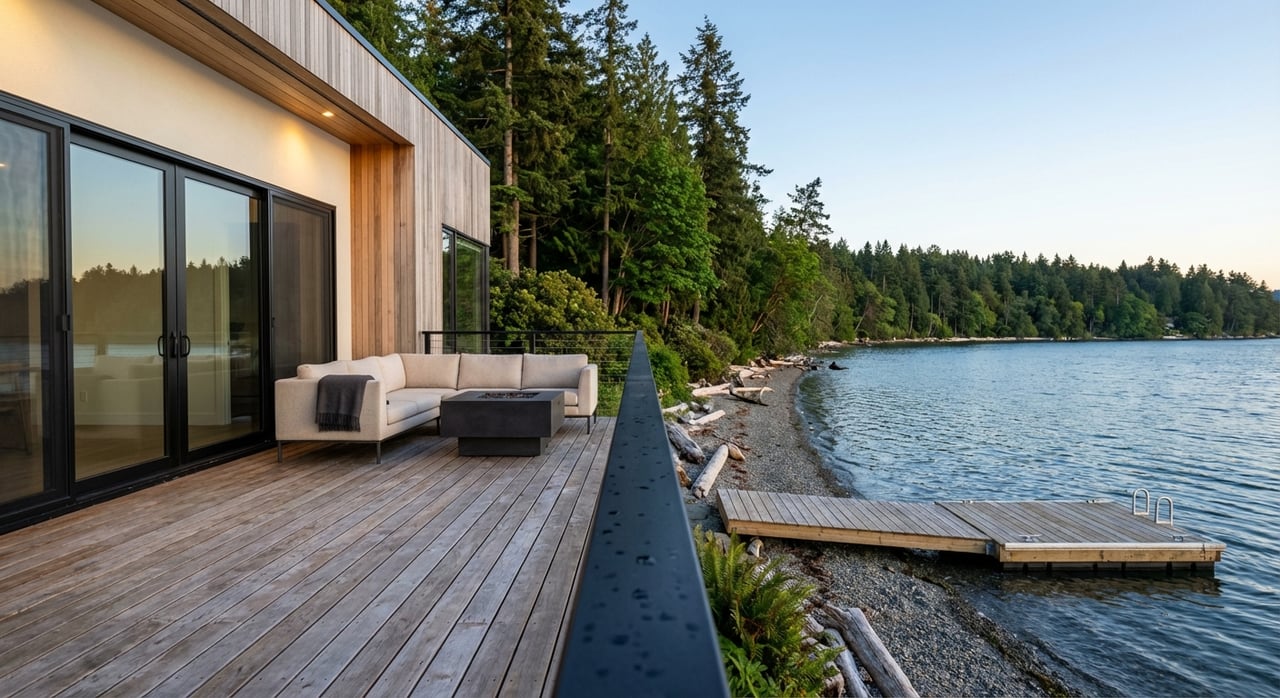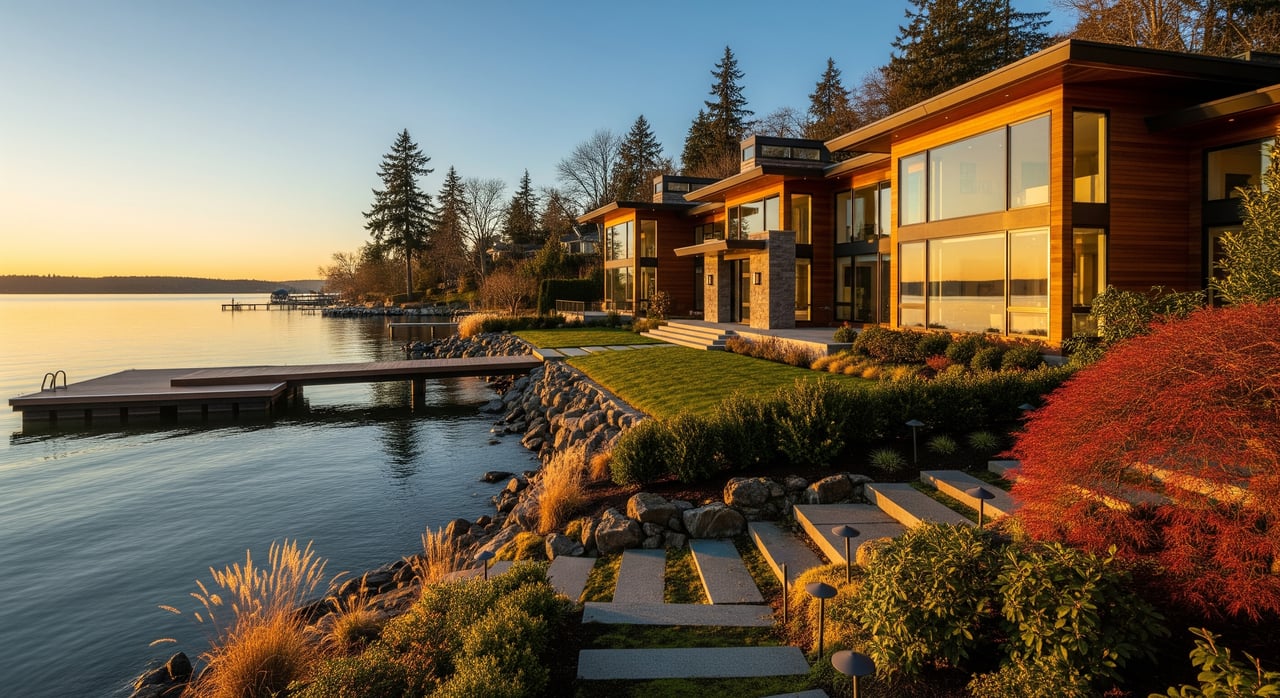
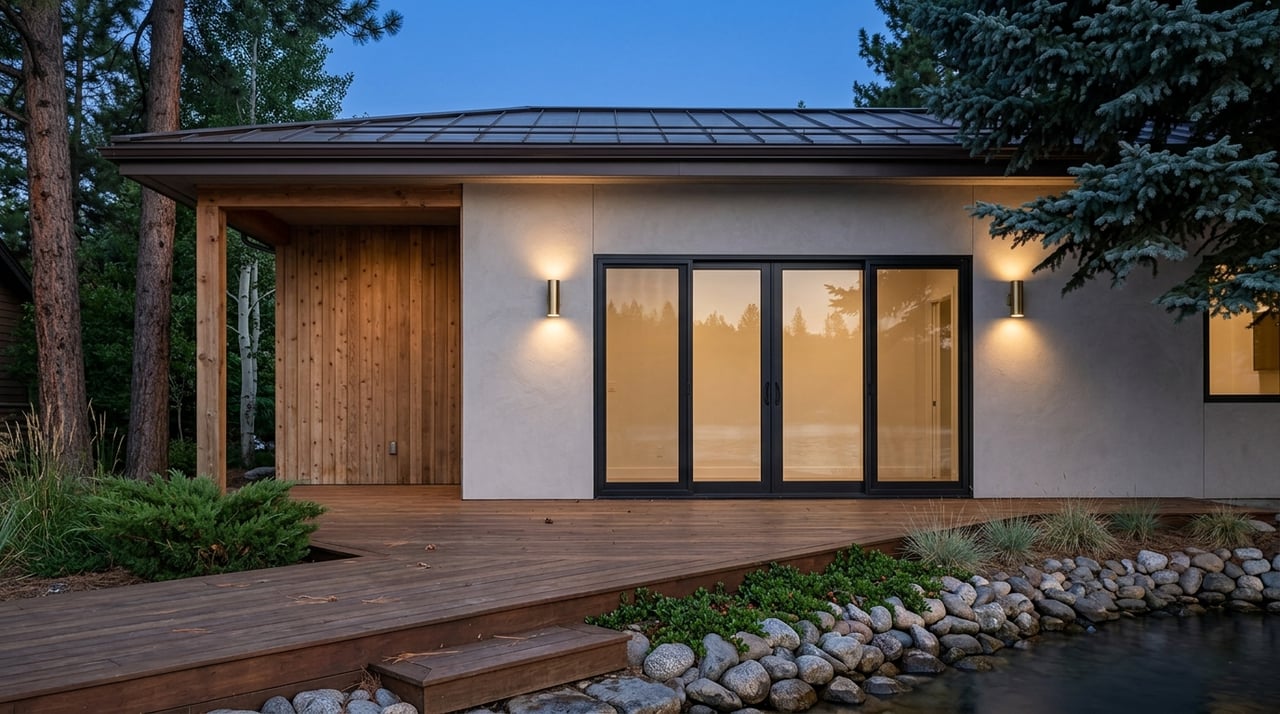
Choosing between a cabin and a lakefront home in Grand Lake is not just about budget. It is about how you want to spend your time once you arrive. If you are considering a second home or mountain retreat here, the right fit often comes down to privacy, water access, winter logistics, and how much hands-on upkeep feels worth it to you. Let’s dive in.
Why this choice feels different in Grand Lake
Grand Lake offers more than a classic summer lake setting. It is Colorado’s largest and deepest natural lake, sits at the headwaters of the Colorado River, and serves as the western gateway to Rocky Mountain National Park.
That year-round identity matters when you compare property types. Grand Lake also leans into winter recreation, including snowmobile access and seasonal events, so your decision should reflect how you plan to use the home across all four seasons.
Cabin living in Grand Lake
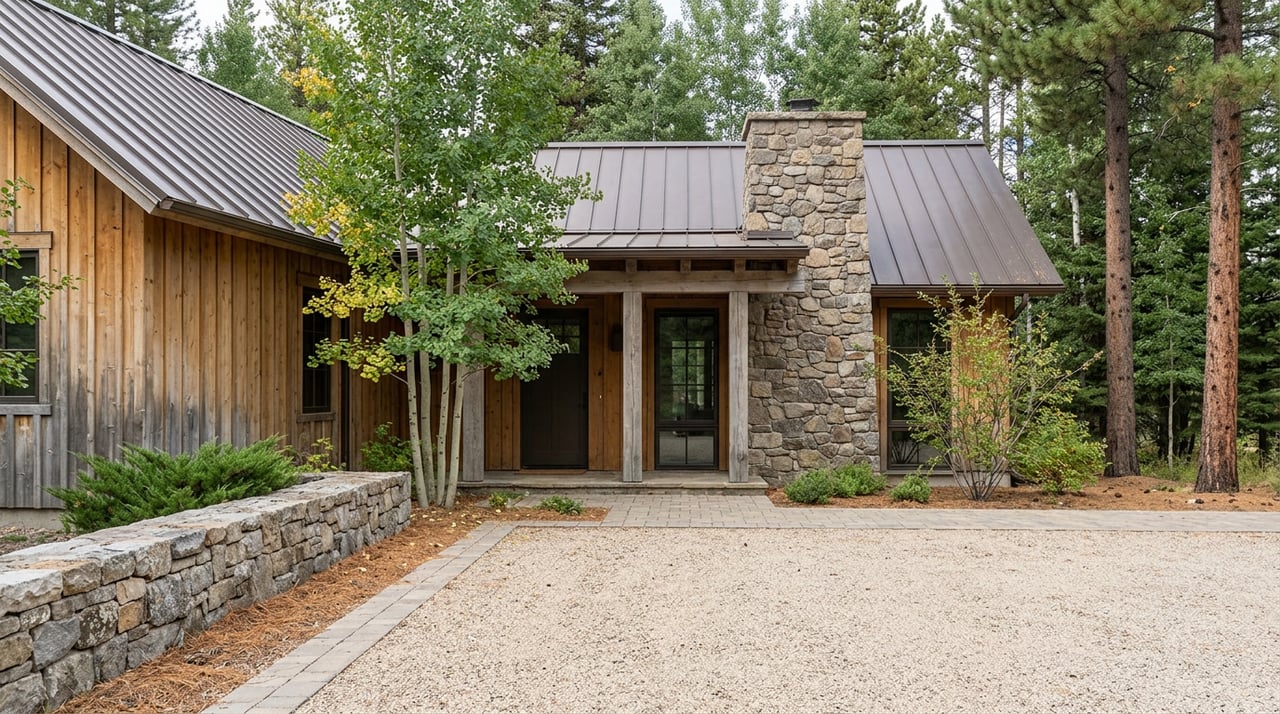
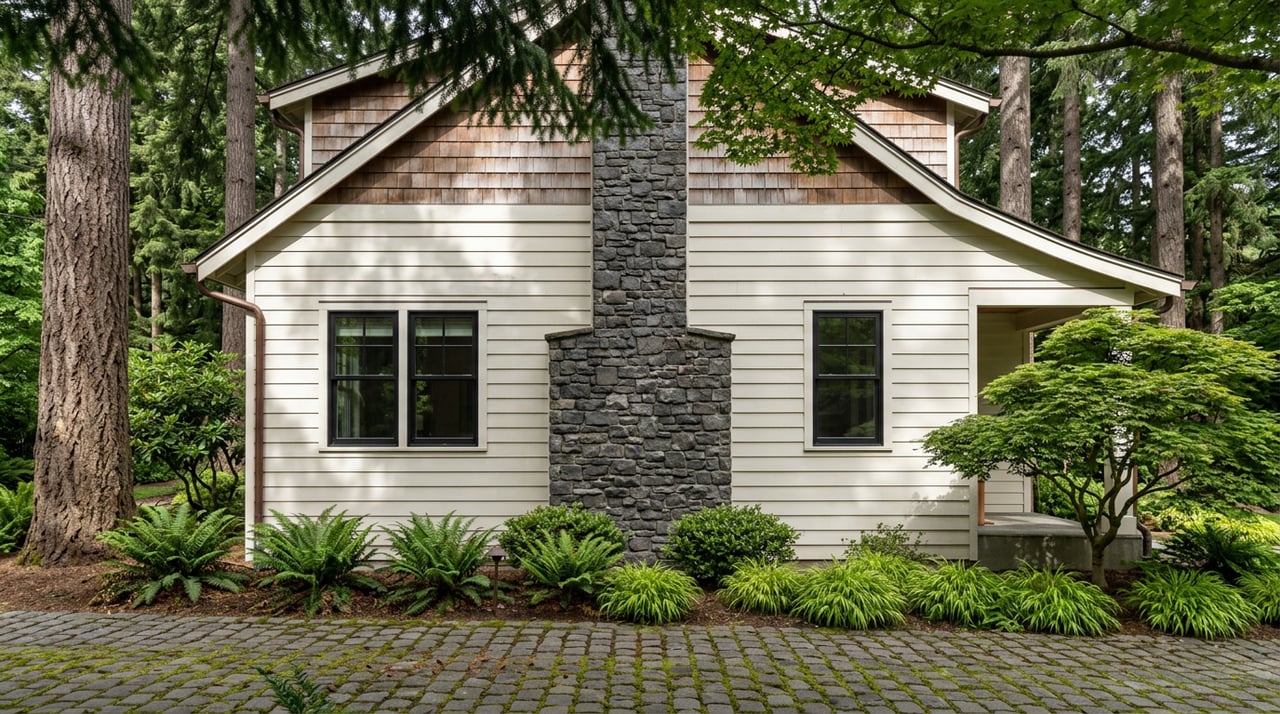
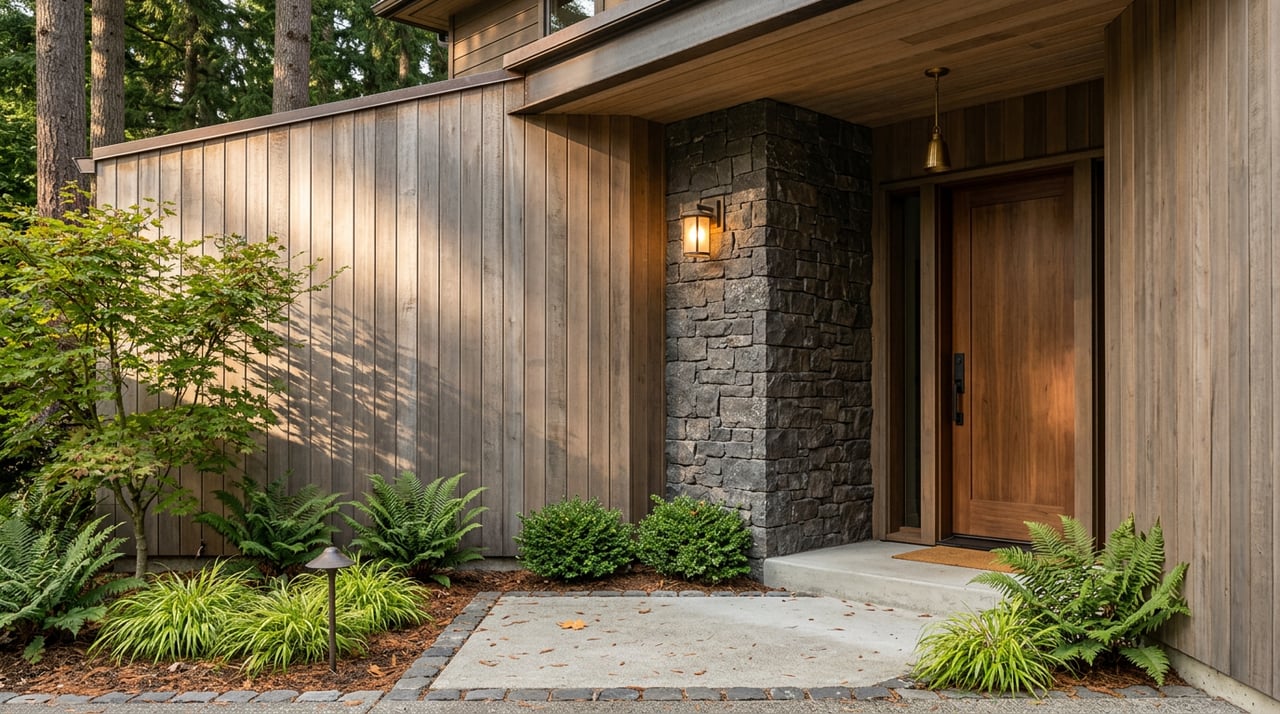
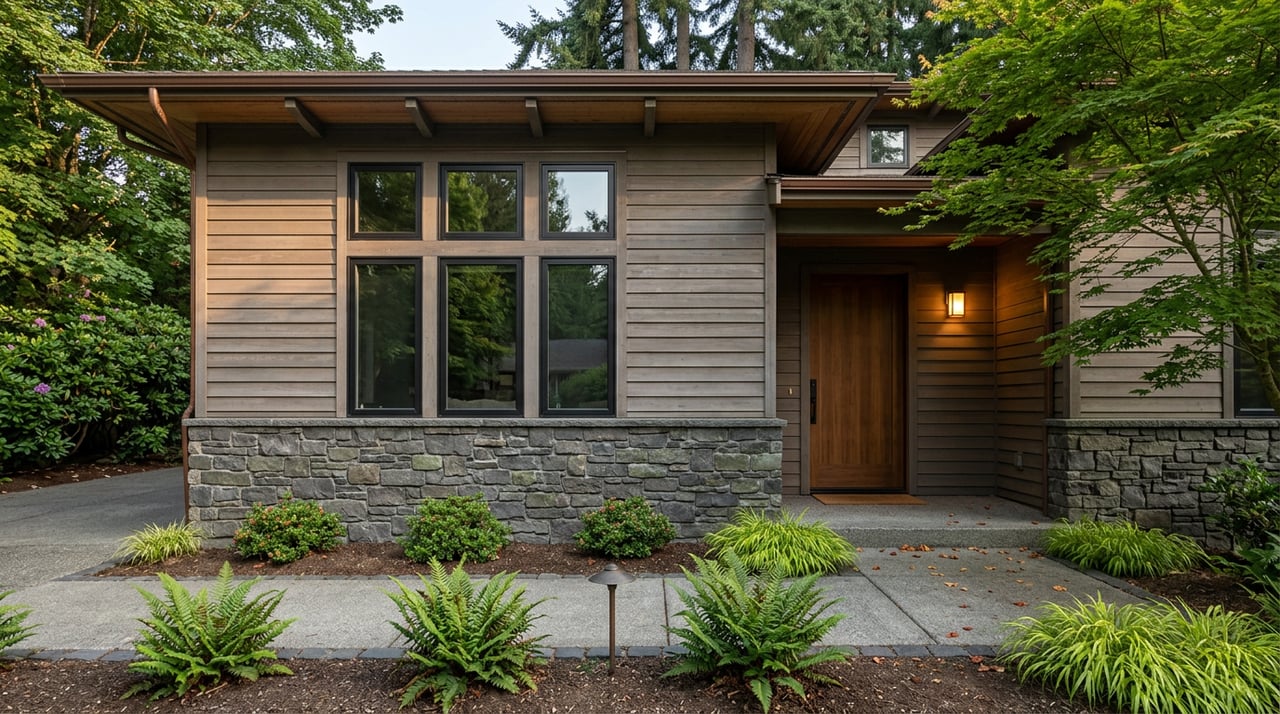
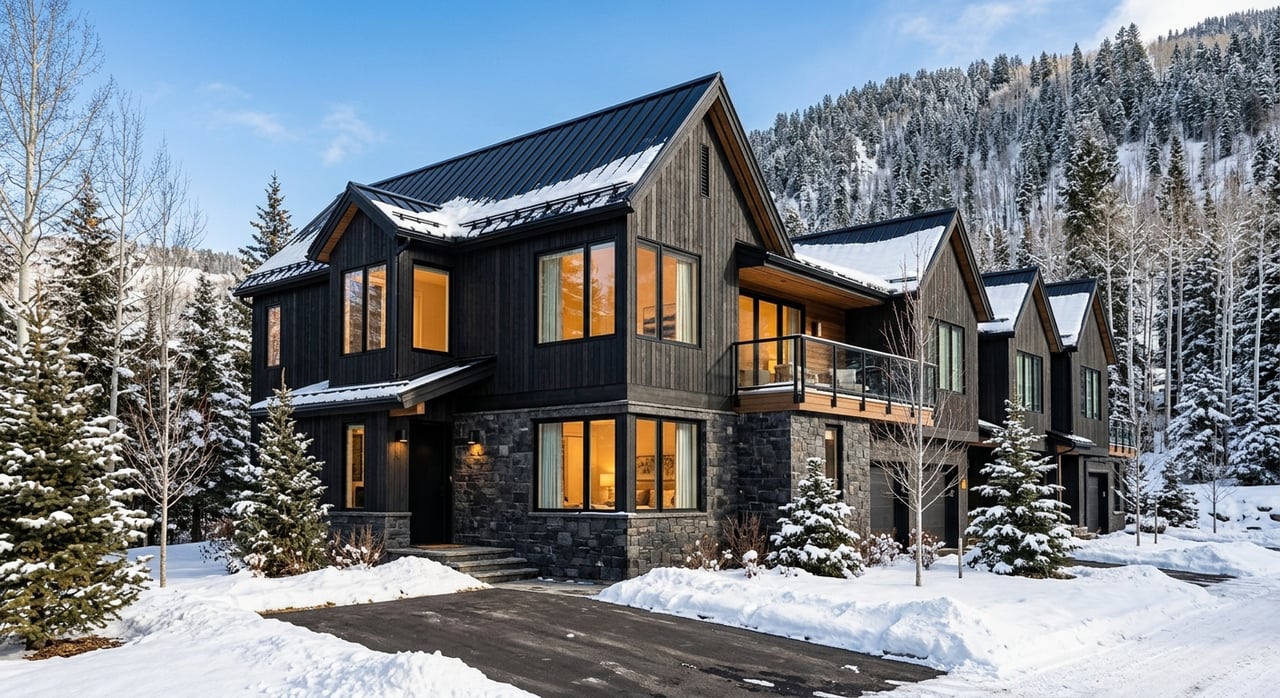
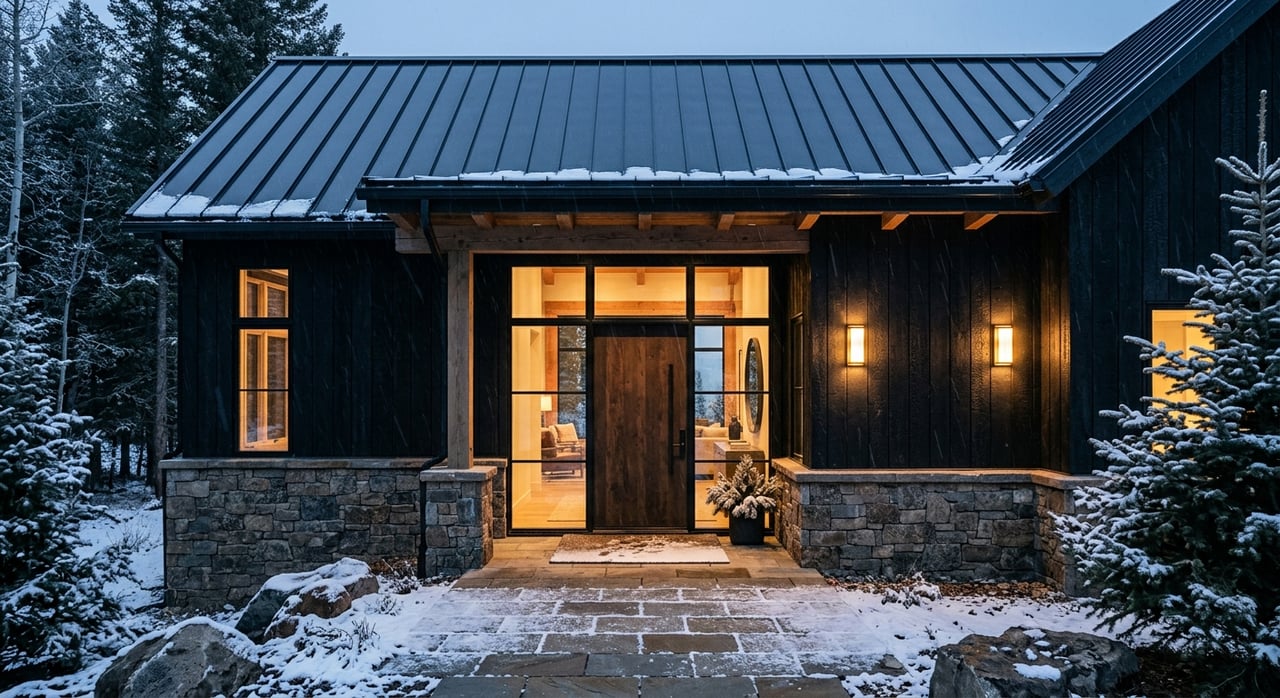
A classic Grand Lake cabin usually appeals to buyers who want a forest-first experience. You may be tucked among trees, surrounded by mountain views, and feel more removed from town activity and shoreline traffic.
This style also fits the area’s long-standing mountain character. Grand Lake’s heritage includes log structures and rustic design, and Grand County’s design guidance favors rough-textured, earth-toned exteriors that blend into the natural landscape.
What a cabin lifestyle often means
A cabin is often the better match if you want your retreat to feel quiet and sheltered. For many buyers, the emotional draw is less about boating every day and more about having a cozy basecamp near outdoor recreation.
Day to day, that can mean mornings on a deck in the trees, easier privacy, and a stronger sense of separation from busier waterfront areas. You may still be near the lake, but the lake is not always the center of the property’s design or daily use.
Lakefront living in Grand Lake
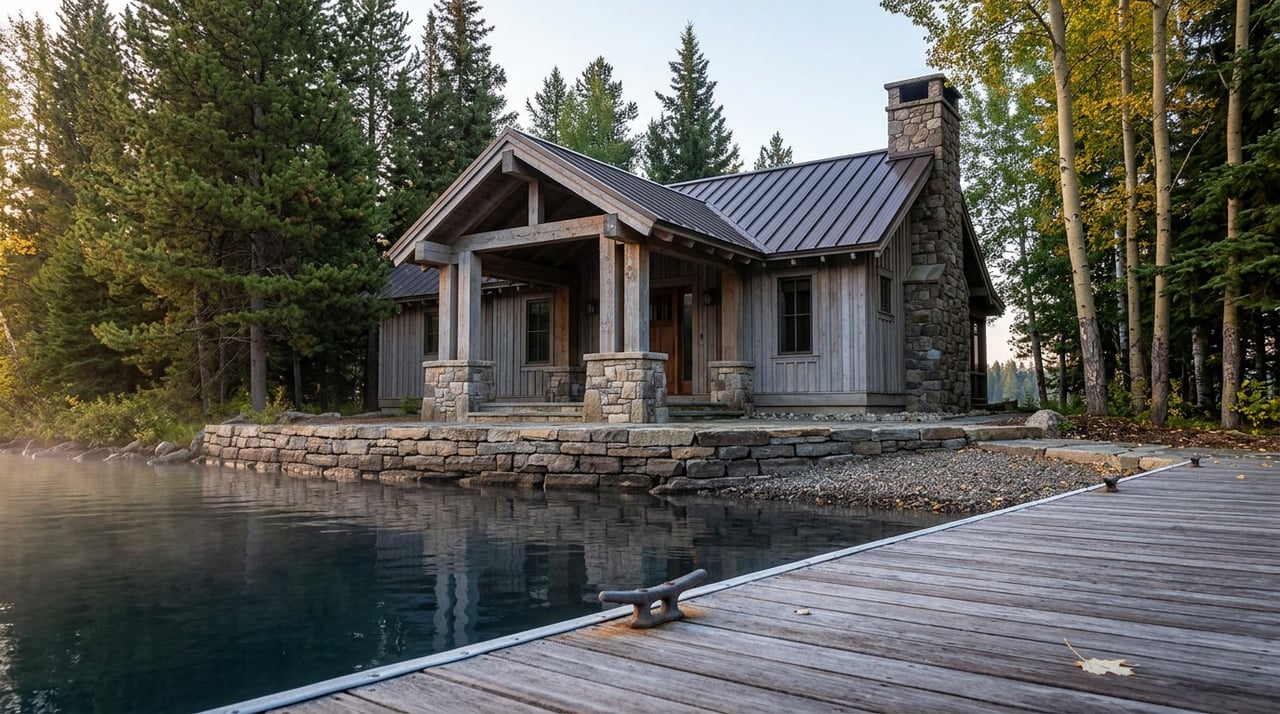
A lakefront home creates a very different rhythm. Here, the focus is immediate access to the water, broader views, and a setting built around boating, shoreline enjoyment, and entertaining.
In town, that lifestyle connects closely to public waterfront amenities. The Town of Grand Lake operates Headwaters Marina across from Lakefront Park and near the historic downtown boardwalk, while Gene Stover Lakefront Park offers beach access, picnic pavilions, public restrooms, and parking.
What a lakefront lifestyle often means
If you picture stepping outside to enjoy the shoreline, watching activity on the water, or spending more time boating and gathering outdoors, a lakefront home may fit better. This option tends to make the water part of your daily routine rather than a nearby attraction.
It is also important to clarify what “lakefront” means in this market. In the broader Grand Lake area, the term can refer to shoreline on Grand Lake, Shadow Mountain Reservoir, or Lake Granby, so you will want to confirm exactly which body of water a property fronts.
Style may overlap more than you expect
Some buyers expect a major style divide between cabins and lakefront homes. In Grand Lake, that gap can be smaller than you think.
Even in higher-end settings, the county’s design guidance supports a restrained mountain look that works with the landscape. That means a lakefront home may still have a rustic, natural feel, while a cabin can still offer refined finishes and strong visual appeal.
Winter access should shape your decision
Seasonal access is one of the biggest practical differences to think through before you buy. Grand Lake is a four-season destination, but winter conditions can change how easy a home is to reach and maintain.
Trail Ridge Road, the scenic route through Rocky Mountain National Park, is typically open only from late May to mid-October and closed to through travel in winter. If you expect frequent weekend trips or visitors coming from the other side of the park, that seasonal closure matters.
Road maintenance and plowing
Inside town, Grand Lake Public Works maintains town streets with snow plowing, street sweeping, and paving. Outside town, Grand County winter maintenance usually runs from November through April, with primary roads cleared first and secondary or local access roads handled later.
That distinction can have a real impact on convenience. If a property sits on a private road or has a long driveway, you should expect more responsibility for snow removal regardless of whether you choose a cabin or a lakefront home.
Winter driving matters
Grand County also notes that when the CDOT traction law is active, drivers need proper winter tires or a qualifying 4WD or AWD setup. If you plan to use the home regularly in colder months, dependable winter access should be part of your buying criteria from the start.
Maintenance differences get real fast
Both property types need winter-proofing, but they do not ask the same things of you. A cabin often comes with more attention to trees, snow load, driveways, and road access.
A lakefront home adds another layer. You may also need to think about docks, shoreline use, water-adjacent setbacks, and the added complexity that comes with owning property near the water.
Utilities are worth verifying early
In Grand Lake, utility setup can vary from one property to another. Grand County’s building checklist requires legal water and sanitation to be verified, including well permits or OWTS or septic documentation when private systems are used.
The Town of Grand Lake also lists town water and Three Lakes Water and Sanitation District as providers. Before you fall in love with a property, it is smart to confirm whether it is connected to town services or depends on a private system.
Shoreline rules matter for lakefront homes
This is where lakefront ownership becomes much more site-specific. Grand County’s architecture and site-planning guidance says structures in the Grand Lake area should generally sit 150 feet from the high-water mark of a lake, stream, creek, river, or ditch, with limited exceptions.
The county’s building checklist also notes a minimum 30-foot water-quality setback from the high-water mark. For you as a buyer, the main takeaway is simple: true lakefront property often comes with more regulation and more property-specific review, especially if you are considering new construction, additions, or major renovations.
Wildfire readiness matters for both
Whether you choose a cabin in the trees or a home on the shoreline, wildfire planning should be part of the ownership conversation. Grand County is actively working on wildfire-ready watershed planning, and its emergency management office maintains an alert system for hazards and evacuation instructions.
For second-home owners, this is especially important. If you are not in residence full time, defensible space, mitigation planning, and staying informed about emergency alerts can help protect both your property and your peace of mind.
How to decide which fits you best
If you are torn between the two, focus on how you want the home to function, not just how it photographs. In Grand Lake, the better choice usually comes down to whether you want seclusion or shoreline use.
Choose a cabin if you want:
- More privacy and a stronger forest setting
- A rustic mountain atmosphere
- A retreat centered on quiet and scenery
- Less day-to-day focus on shoreline upkeep
Choose a lakefront home if you want:
- Direct access to boating and waterfront activity
- Water views as part of daily life
- A home that works well for outdoor entertaining
- Closer connection to the marina, beach, and waterfront areas
Smart questions to ask before you buy
Bedroom count matters, but it usually will not answer the biggest lifestyle questions. These practical details often separate a great fit from a frustrating one.
Ask these questions early:
- Is the road town-maintained, county-maintained, or private?
- How is snow removal handled in winter?
- Is the property on town water and sewer, or on a well and septic or OWTS system?
- Does the lot meet current shoreline setback expectations?
- Will you use the home often enough in winter to justify the added access and heating logistics?
The best choice is the one you will truly use
A Grand Lake cabin can give you privacy, texture, and that tucked-away mountain feeling many second-home buyers want. A lakefront home can deliver immediate access to the water and a more social, view-driven lifestyle.
Neither is automatically better. The right answer depends on how you want to spend your weekends, what kind of upkeep you are comfortable with, and how often you plan to enjoy Grand Lake in every season.
If you are weighing a second-home purchase and want a clear, strategic perspective on lifestyle fit, property details, and long-term usability, Denise OConnell offers the kind of thoughtful, concierge-level guidance that can help you buy with confidence.
FAQs
What is the main difference between a Grand Lake cabin and a lakefront home?
- A cabin usually emphasizes privacy, trees, and a rustic mountain setting, while a lakefront home focuses on direct water access, views, and shoreline use.
What should buyers know about winter access in Grand Lake?
- Buyers should confirm whether roads are town-maintained, county-maintained, or private, since snow removal priority and winter access can vary significantly.
What does lakefront mean in the Grand Lake area?
- In this market, lakefront can refer to shoreline on Grand Lake, Shadow Mountain Reservoir, or Lake Granby, so you should verify the exact body of water before buying.
What utility questions matter for Grand Lake second homes?
- Buyers should ask whether the property uses town water and sewer or relies on a well and septic or OWTS system, because service setup affects maintenance and due diligence.
What rules matter most for Grand Lake lakefront property?
- Shoreline setbacks and water-quality-related site rules are especially important, particularly if you are planning new construction, expansion, or major updates.