What does it really feel like to own a ski condo in Winter Park? For many buyers, the picture starts with powder mornings and easy mountain access, but the day-to-day reality is just as much about convenience, building amenities, HOA details, and local rental rules. If you are considering a second home or resort property here, this guide will help you understand how ownership often works in practice so you can decide whether the lifestyle truly fits your goals. Let’s dive in.
Winter Park condo living at a glance
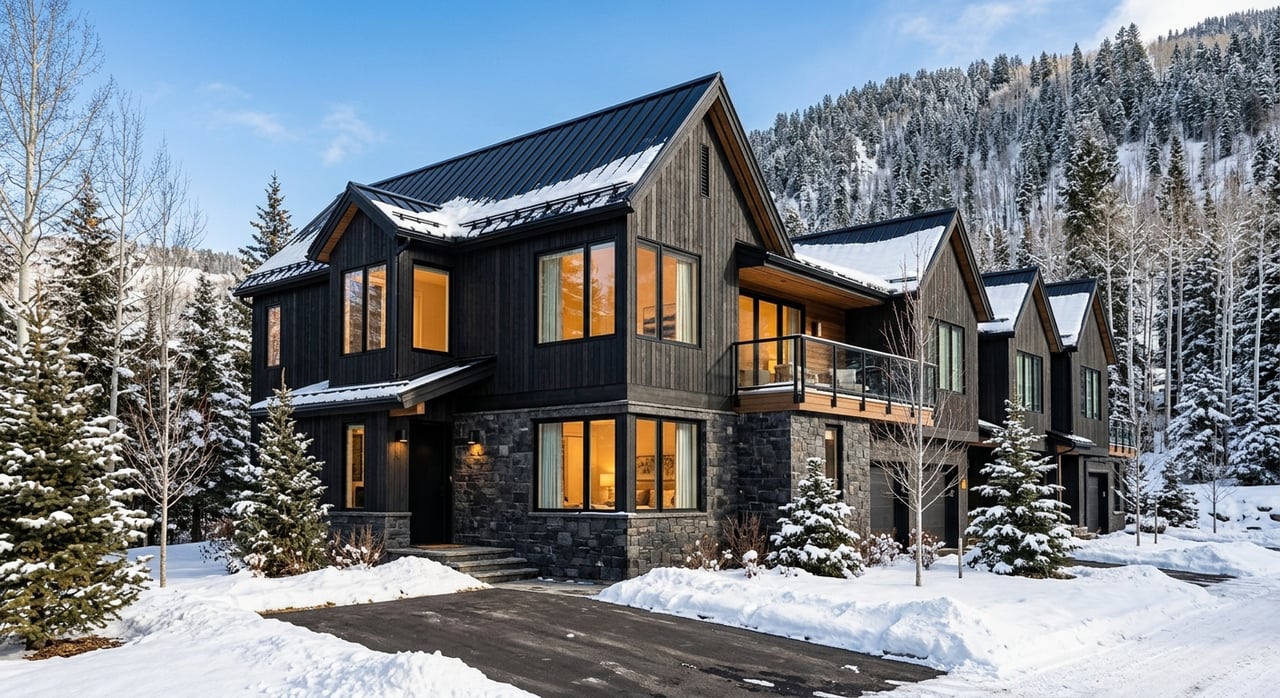
Owning a ski condo in Winter Park often feels more like having a well-located mountain basecamp than owning a stand-alone cabin. The area includes slopeside lodging near Winter Park Resort as well as in-town condominiums, which gives you different ways to balance ski access, convenience, and everyday ease.
A big part of that lifestyle is transportation. The Lift offers free transit to Winter Park Resort, Downtown Winter Park, Fraser, and Granby, and it runs late during winter operations. The Winter Park Express also connects Denver Union Station directly to the resort area, which adds another layer of convenience for owners and guests.
What a winter day can look like
In many buildings, a typical ski day starts with a short walk or shuttle ride to the gondola. Some owners also use base-area gear storage, which can make mornings simpler and cut down on hauling equipment back and forth.
After skiing, condo living usually means coming back to shared amenities rather than a private mountain lot. Depending on the building, that might include a hot tub, covered or heated parking, shared laundry, elevators, storage, or a staffed front desk. The appeal is easy, low-hassle ownership with services built into the experience.
For buyers who want to be very close to the lifts, some resort-area properties offer true ski-in/ski-out or near-gondola access. Zephyr Mountain Lodge, for example, is described by Winter Park Resort as ski-in/ski-out base lodging about 110 feet from the gondola, with ski storage, heated underground parking, a shared hot tub, shared laundry, and a free local shuttle.
Base village or in-town condo?
One of the biggest decisions is whether you want to be near the base area or in town. In simple terms, base-village condos often prioritize ski access, while in-town condos tend to lean more on shuttle service and everyday convenience.
That does not mean one is better than the other. It means your choice should reflect how you plan to use the property. If you want the shortest possible route to the mountain, the base area may feel like the right fit. If you want easier access to town services, dining, and a broader year-round routine, an in-town location may suit you better.
Shared amenities shape the experience
Resort condos in Winter Park often come with a familiar package of shared amenities. Across the lodging inventory, common features can include hot tubs, covered or garage parking, fireplaces, high-speed internet, elevators, front desk service, free local shuttle access, storage, and shared laundry.
Some buildings offer even more, such as heated pools, fitness rooms, fire pits, or pet-friendly policies. Trailhead Lodge in the Town of Winter Park is one example of a property with a broader year-round amenity mix.
These features can make ownership feel easier and more service-oriented. They can also support the lock-and-leave style that many second-home buyers want, especially if you do not want the added work that comes with a detached property.
Condo ownership versus a cabin
If you are comparing a Winter Park condo with a single-family cabin, the tradeoff often comes down to convenience versus control. A condo usually means less exterior responsibility and fewer day-to-day maintenance tasks for you personally.
In Colorado, the homeowners association is generally responsible for maintaining, repairing, and replacing common elements, while you are responsible for your individual unit. Regular dues usually cover ongoing operating maintenance, and special assessments are typically used for specific repairs, replacements, or new construction.
That shared structure can be a real advantage if you want simplicity. At the same time, it also means you are buying into HOA rules, budgets, reserve planning, and insurance decisions. If the building has deferred maintenance, future costs can follow.
Why HOA due diligence matters
Before you buy, it is important to look closely at the HOA documents and the physical condition of the property. The Colorado Department of Regulatory Agencies advises buyers to request the list of common elements, the plat map, the assessment formula, and the community restrictions.
You should also review the association budget and reserves and watch for signs of deferred maintenance. If repairs have been postponed, that can be a warning sign for future special assessments.
A few practical questions can make a big difference:
- What exactly counts as a common element?
- How are dues calculated?
- How healthy are the reserves?
- Are there current or planned special assessments?
- What restrictions apply to owners, guests, and renters?
- What insurance does the association carry on common elements and liability?
For ski condo buyers, parking and storage deserve extra attention. Some buildings include covered parking, while resort parking rules and fees can vary by lot and season.
Think carefully about your intended use
A key question is not just whether you love the condo. It is whether the property works for the way you plan to use it. If you want a personal retreat that you can lock and leave, a condo may be a strong fit. If you want occasional rental income, the answer depends on location, local rules, and the building declaration.
This is especially important in Winter Park because short-term rental rules differ depending on where the property sits. The exact parcel location matters, and so do the HOA documents.
Short-term rental rules in Winter Park
If the condo is within Winter Park town limits and you want to rent it nightly or for fewer than 31 days, the Town requires a business license, sales tax remittance, and short-term rental registration before the property is advertised. Owners must display the registration number in advertisements.
The Town also requires proof of a satisfactory East Grand Fire life-safety inspection for registration and renewal. Even if you hire a third-party manager, the owner still has to register the unit.
If the property is outside town limits in unincorporated Grand County, the county requires an annual short-term rental permit. The fee is based on advertised occupancy, and occupancy is capped at 16.
The practical takeaway is simple: if rental income is part of your plan, verify that the town or county rules, the exact parcel location, and the HOA declaration all support your intended use.
Year-round appeal goes beyond ski season
Winter Park may be known for winter, but condo ownership here can have four-season appeal. In summer, the resort offers scenic gondola rides to 10,700 feet, hiking trails, the Alpine Slide, a putting course, Trestle Bike Park, Mountaintop Happy Hour, and free concerts and festivals.
Transportation also supports year-round use. The Lift serves Winter Park Resort, Downtown Winter Park, Fraser, and Granby, and winter operations include late-night service. The area event calendar includes offerings such as High-Note Thursdays, Blues from the Top, and the Winter Park Jazz Festival, which can help keep the area active outside peak ski weekends.
That matters whether you are buying for personal use, occasional hosting, or exploring rental potential. While no income stream is guaranteed, broader seasonal activity can make ownership feel more useful across the calendar.
Is a Winter Park ski condo right for you?
A Winter Park ski condo can be a smart fit if you want mountain access, a low-maintenance setup, and amenities that support an easy second-home lifestyle. It can also work well if you value transit options, year-round recreation, and the simplicity of shared maintenance.
The right purchase, though, comes down to details. You will want to weigh location, building amenities, HOA financial health, parking, storage, and rental rules before you make a move.
If you are looking for a polished, lock-and-leave resort property and want experienced guidance on how to evaluate the ownership tradeoffs, Denise OConnell can help you navigate the details with a strategic, concierge-level approach.
FAQs
What is everyday condo life like in Winter Park?
- Everyday life often feels like a mountain basecamp, with owners using a walkable location or free shuttle access to reach the resort, then returning to shared amenities such as hot tubs, parking, storage, and laundry.
What amenities do Winter Park ski condos usually offer?
- Common amenities often include hot tubs, covered or garage parking, fireplaces, high-speed internet, elevators, storage, shared laundry, front desk services, and free local shuttle access, with some buildings also offering pools, fitness rooms, or fire pits.
What should you review in a Winter Park condo HOA?
- You should review the common elements, plat map, assessment formula, restrictions, budget, reserves, insurance coverage, and any signs of deferred maintenance or possible special assessments.
Can you short-term rent a condo in Winter Park, Colorado?
- It depends on the exact location and the HOA rules, because properties inside Winter Park town limits and those in unincorporated Grand County follow different permit and registration requirements.
How is a Winter Park condo different from a cabin?
- A condo usually offers easier lock-and-leave ownership with shared maintenance and amenities, while a cabin may provide more privacy and control but often comes with more direct property upkeep.
Is parking important when buying a Winter Park ski condo?
- Yes, parking is an important due-diligence item because some buildings include covered parking, while resort parking rules and seasonal fees can vary depending on the lot and time of year.