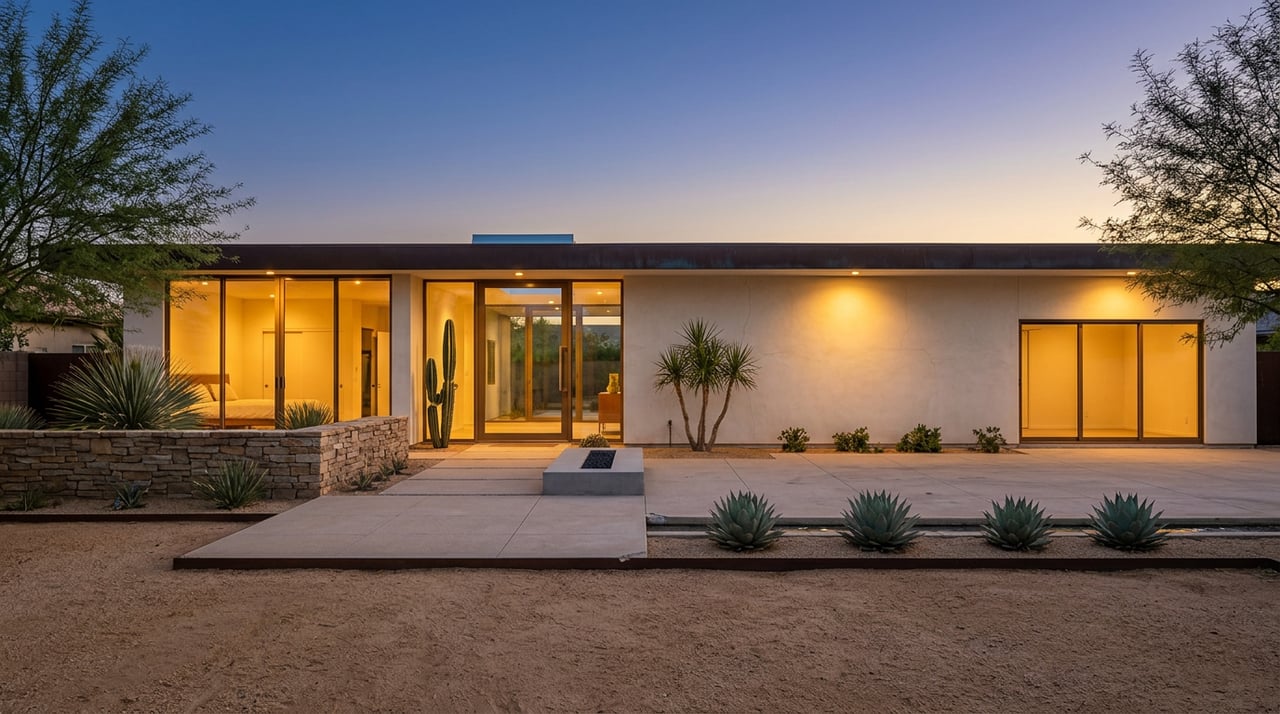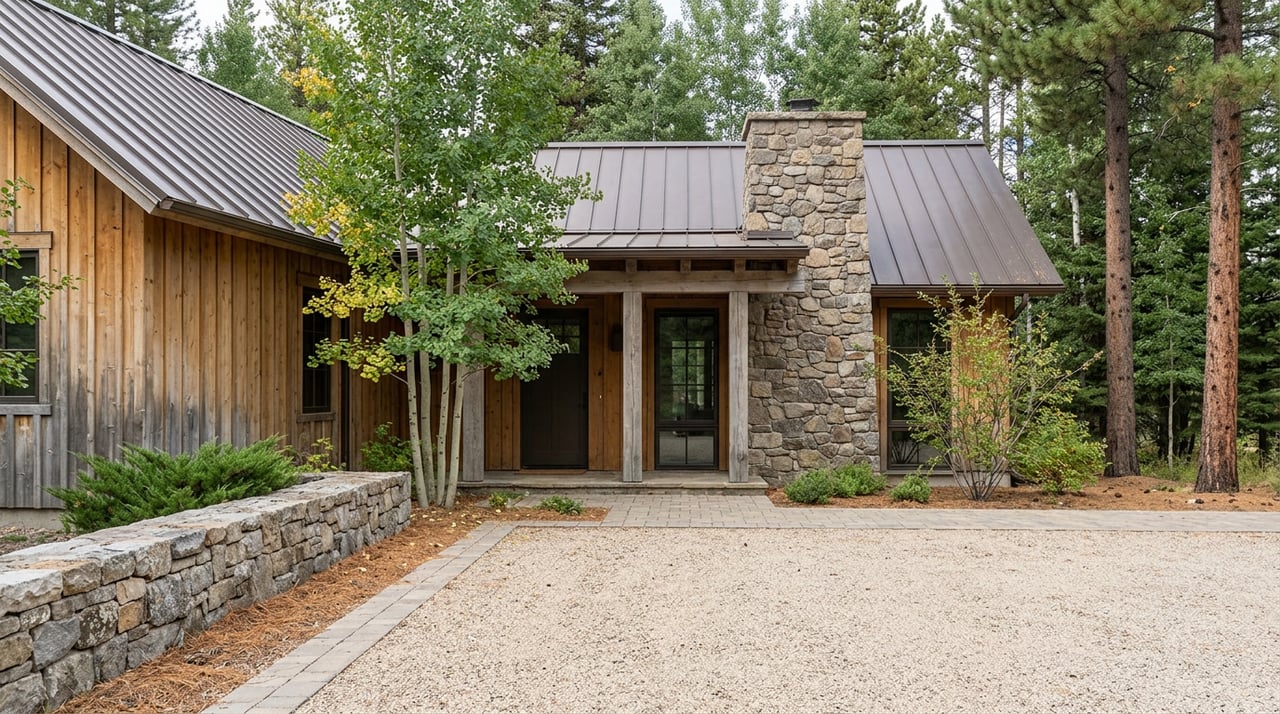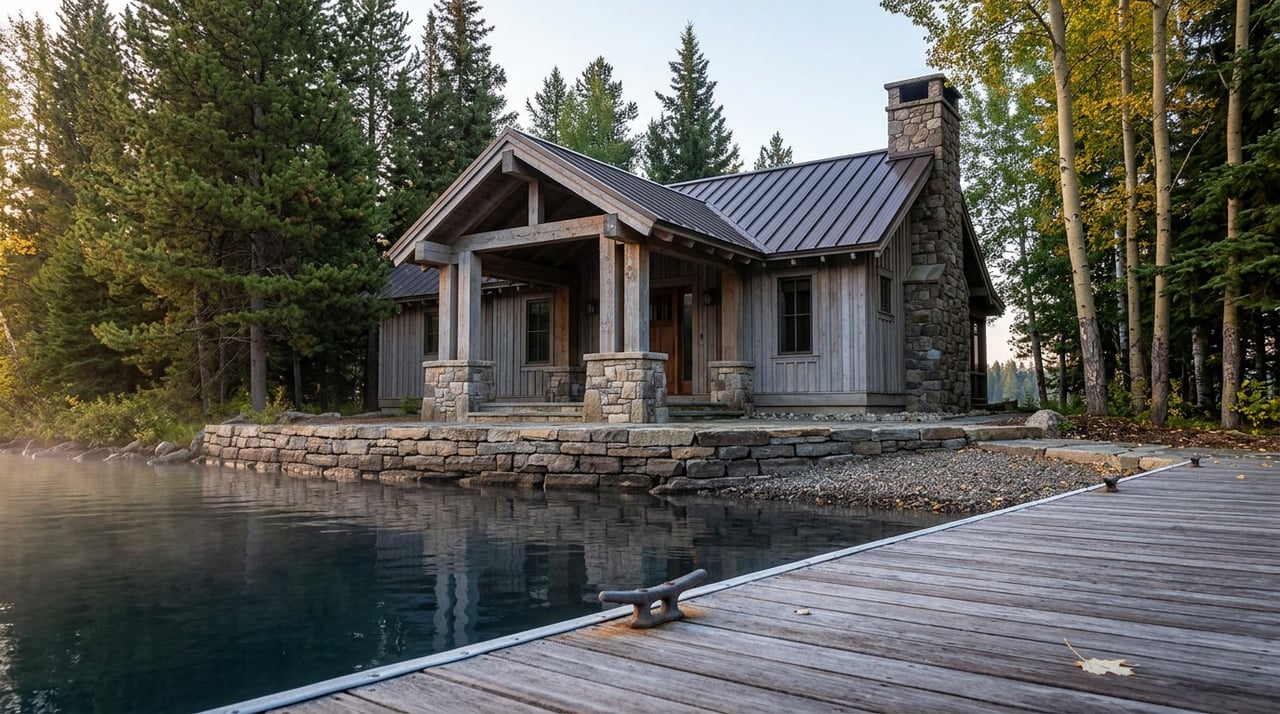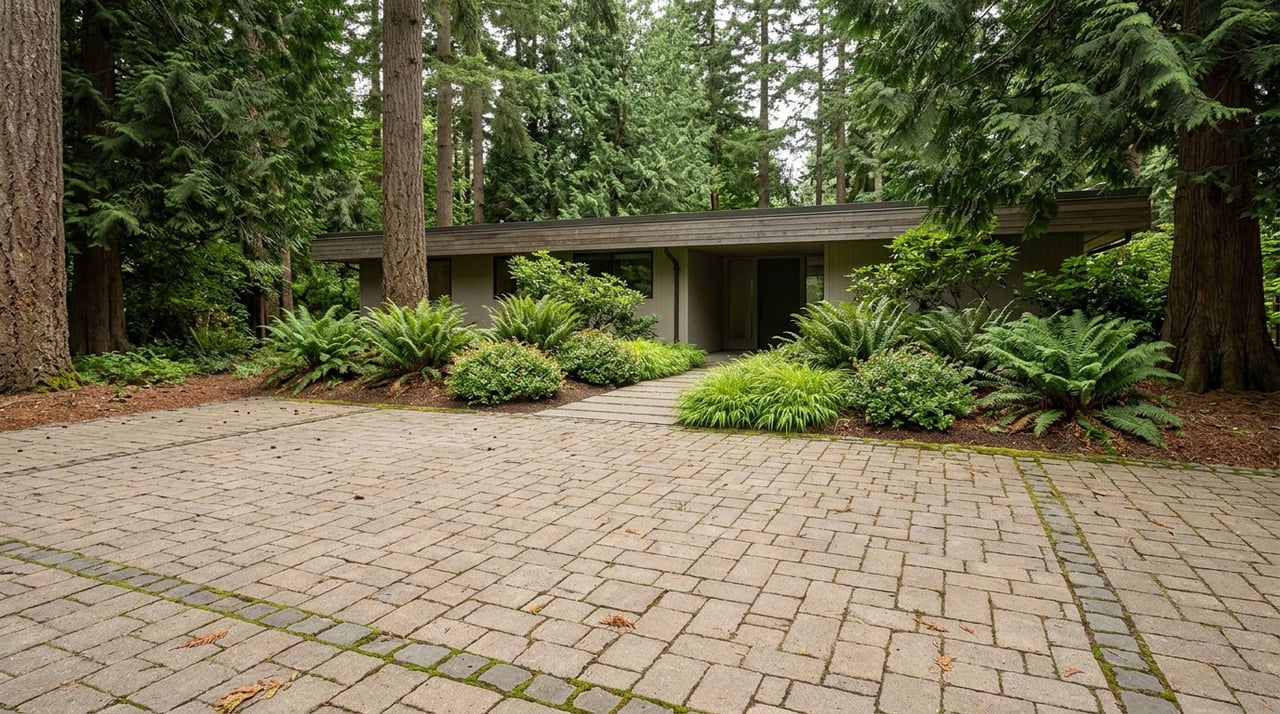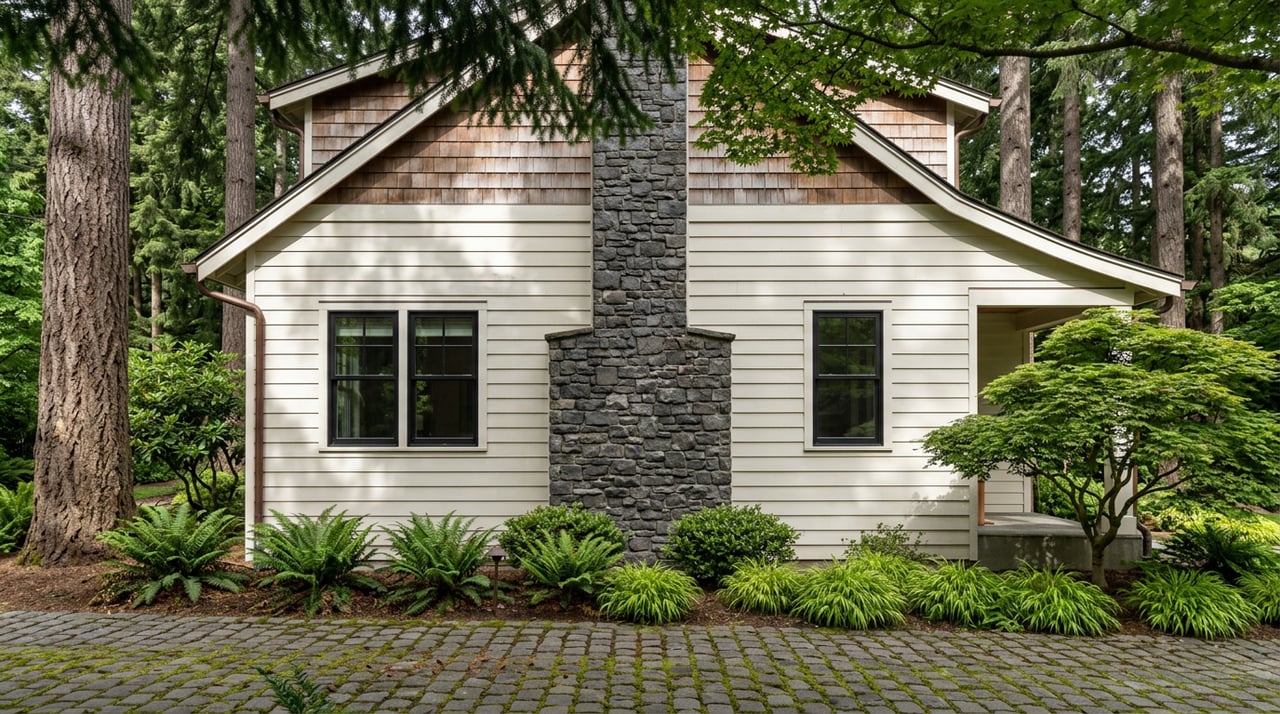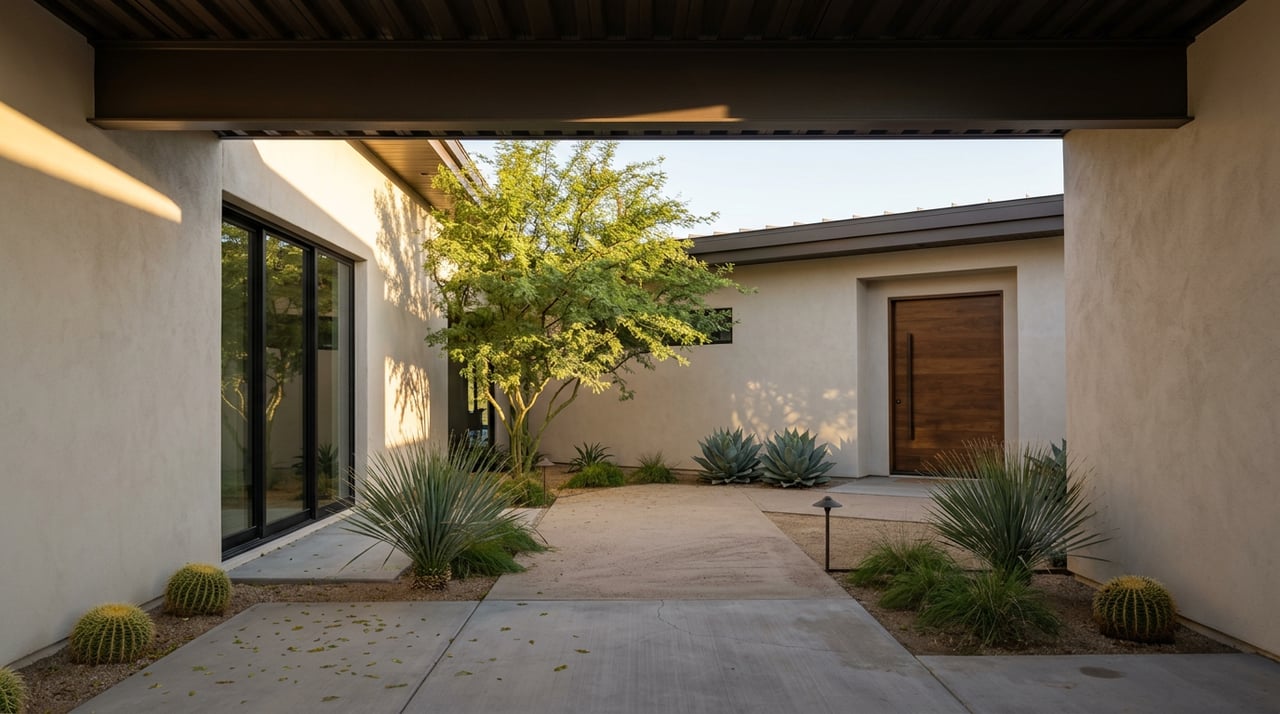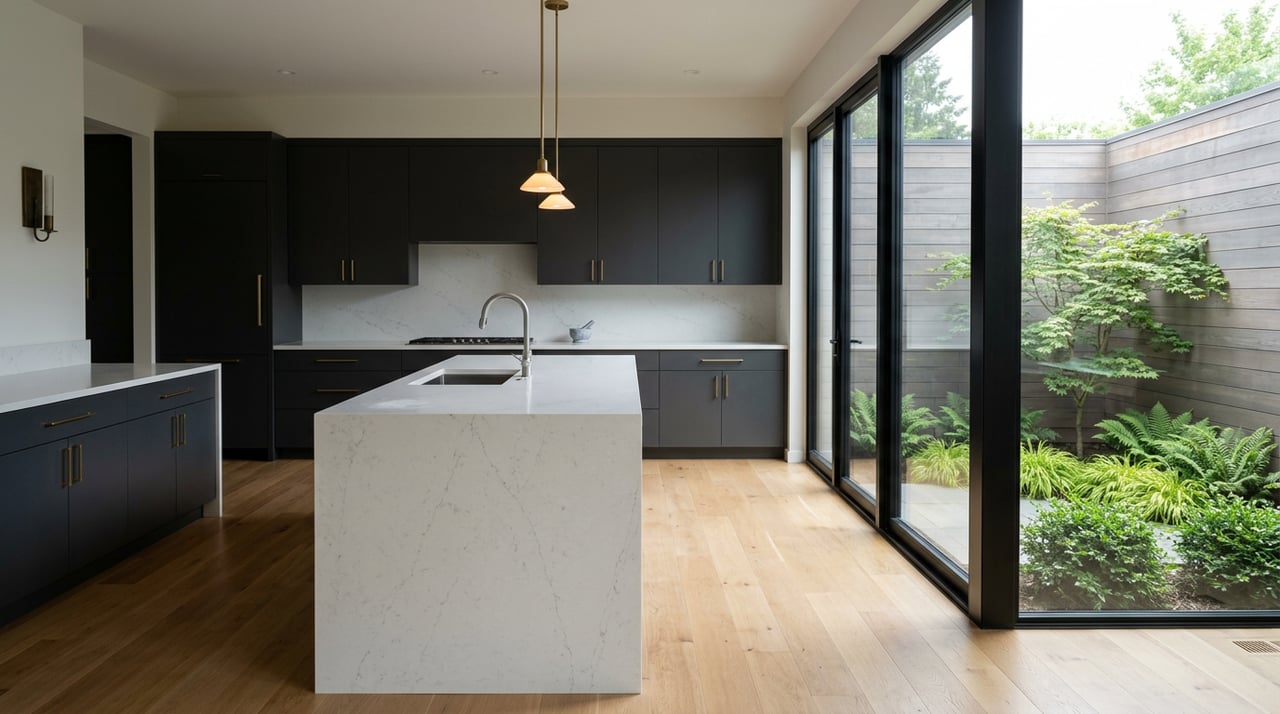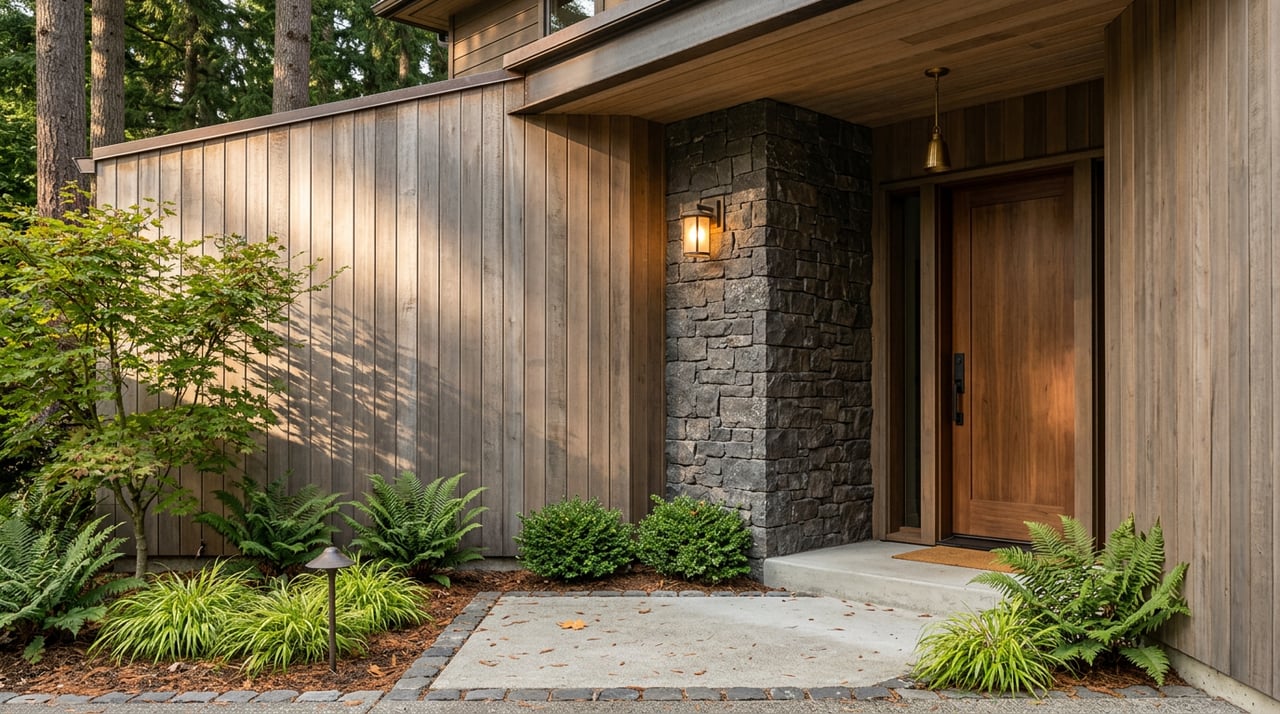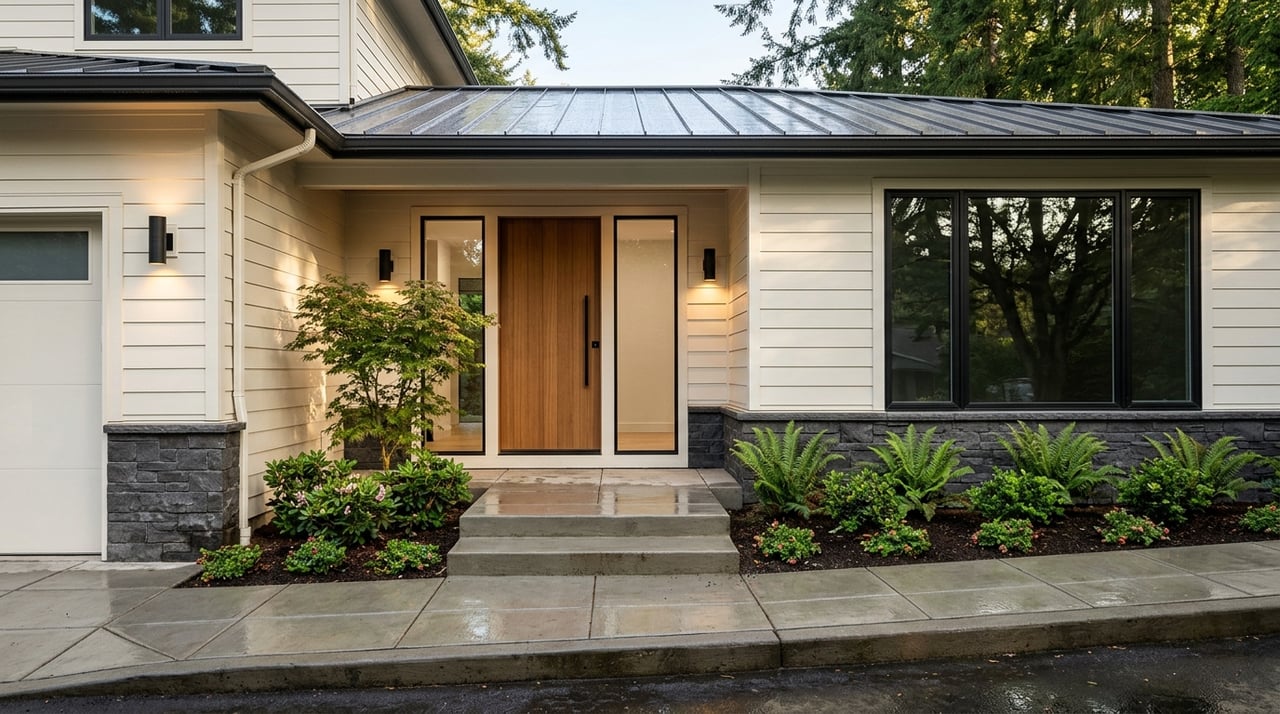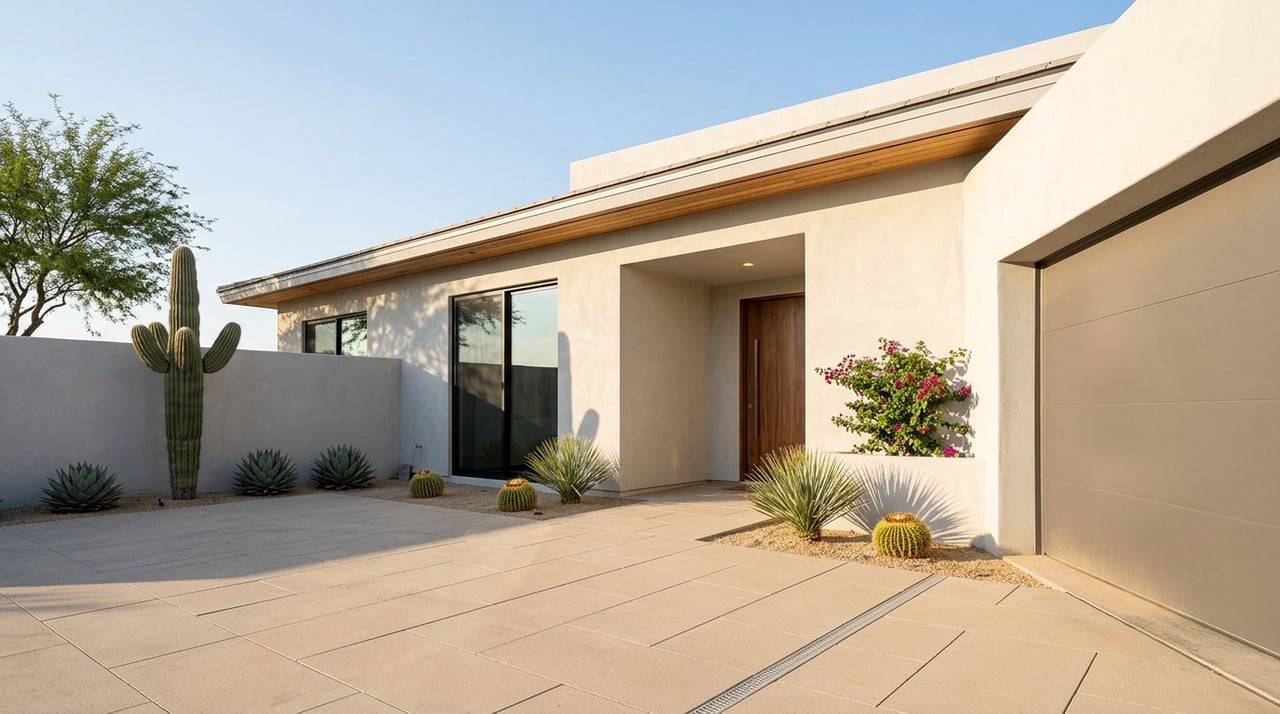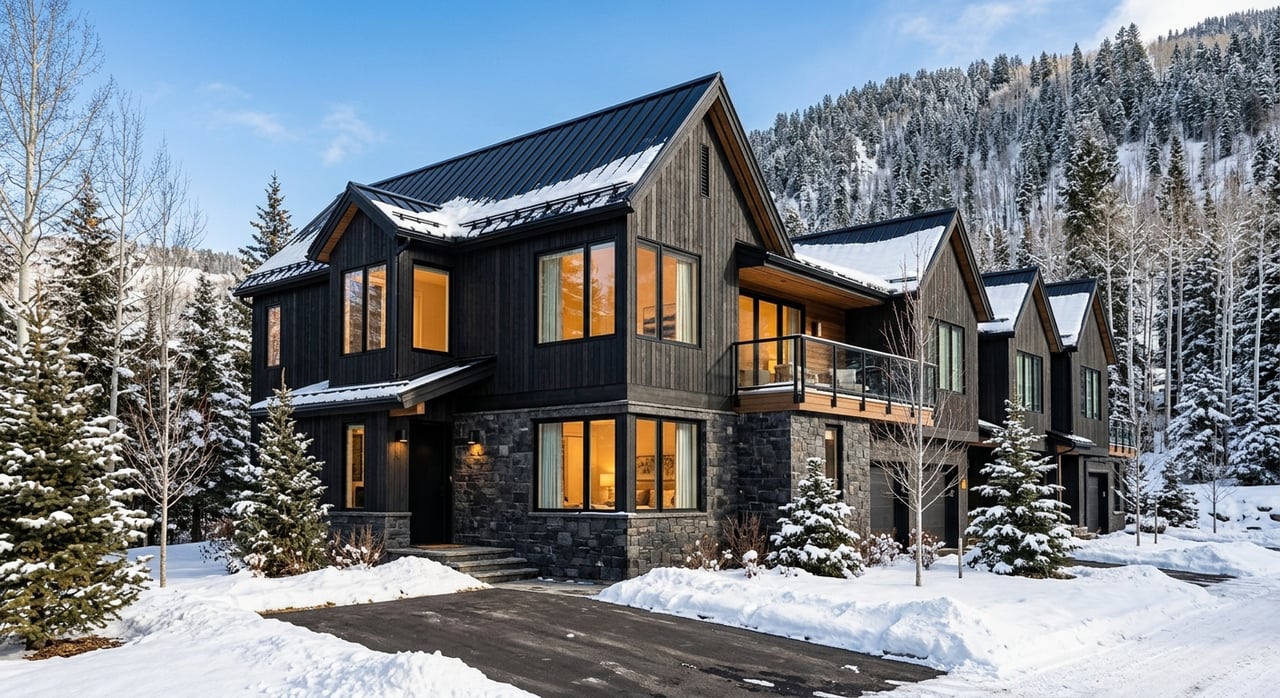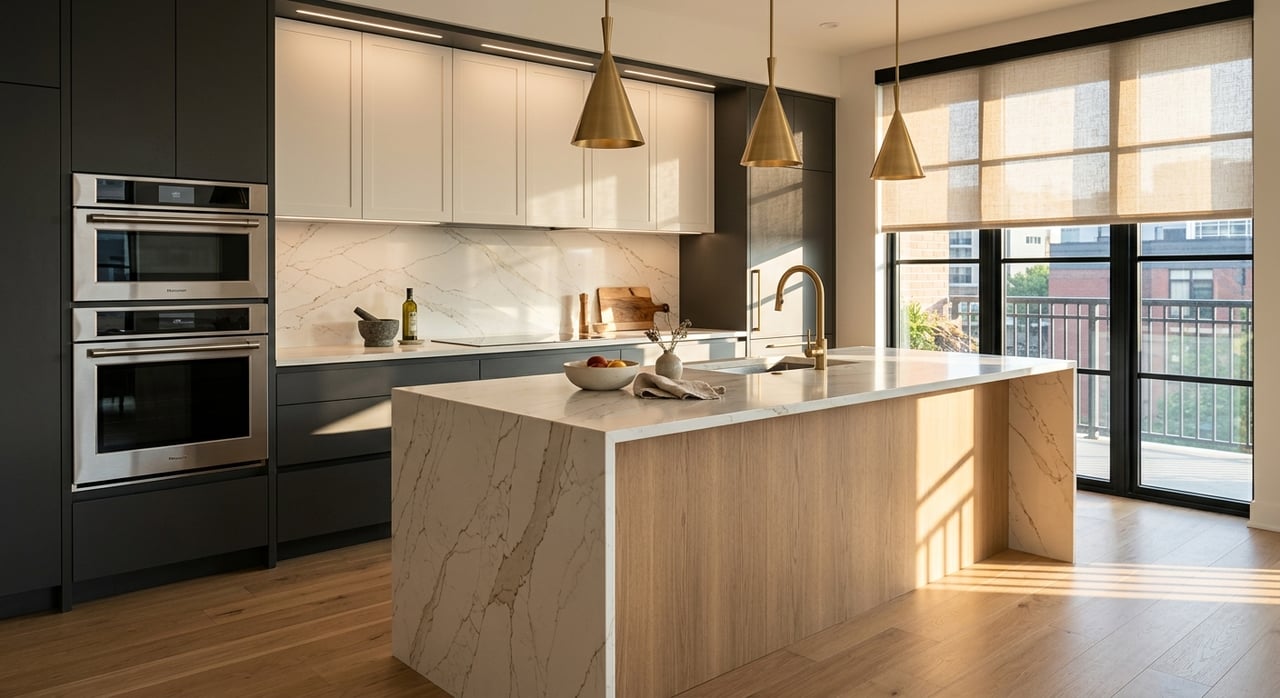
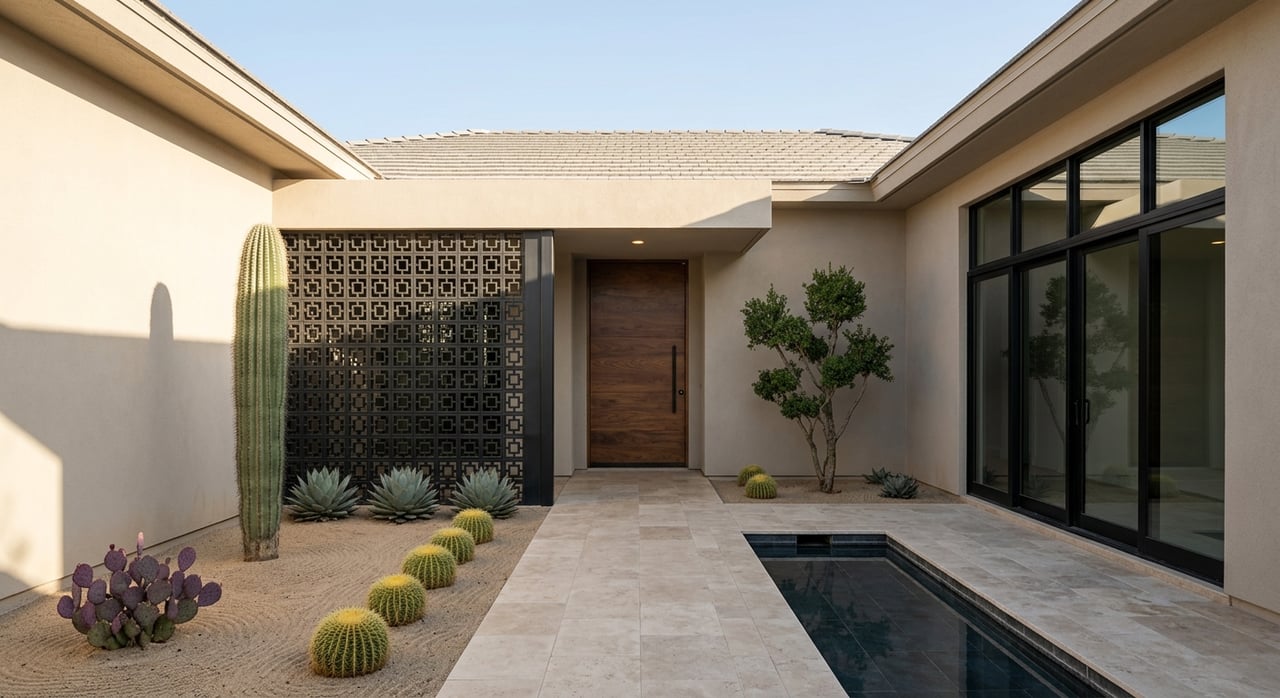
If your life already stretches between the Pacific Northwest and the desert, buying one home in Bellevue and another in North Scottsdale can be more than a luxury decision. It can be a smart lifestyle strategy. The key is understanding how these two markets complement each other, how timing differs, and what to plan for before you buy or sell. Let’s dive in.
Why Bellevue and North Scottsdale Fit Together
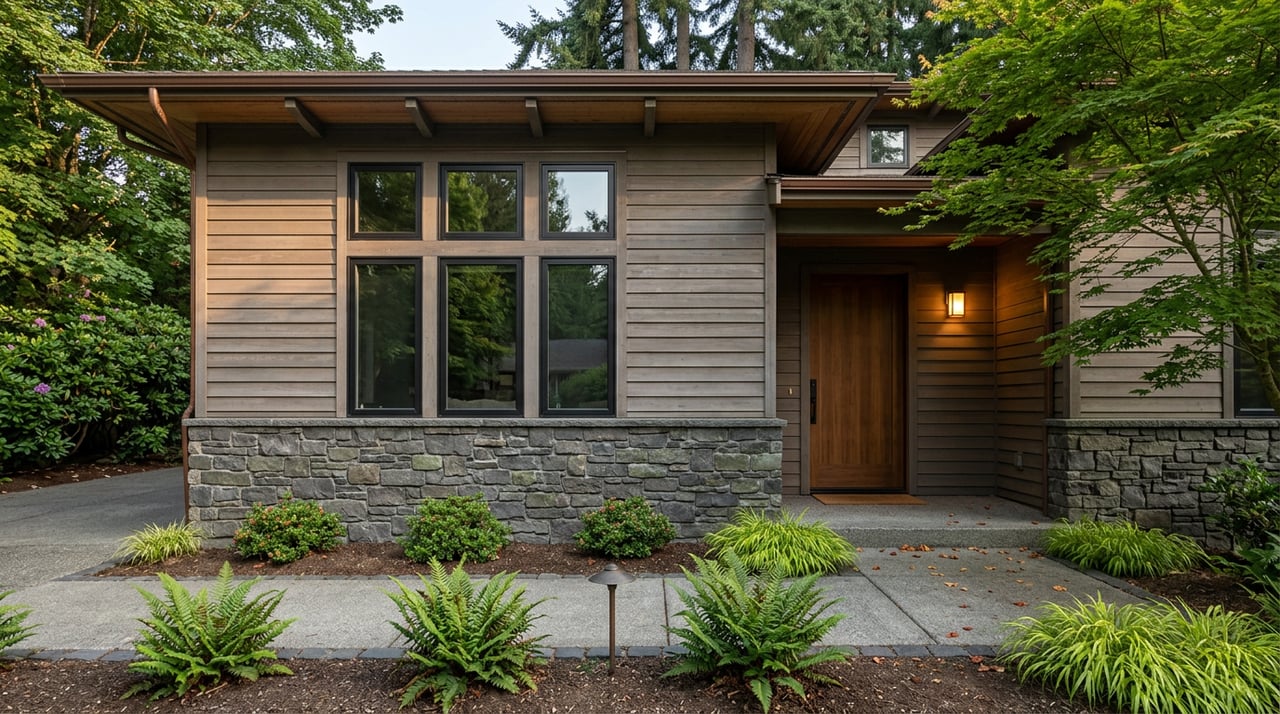
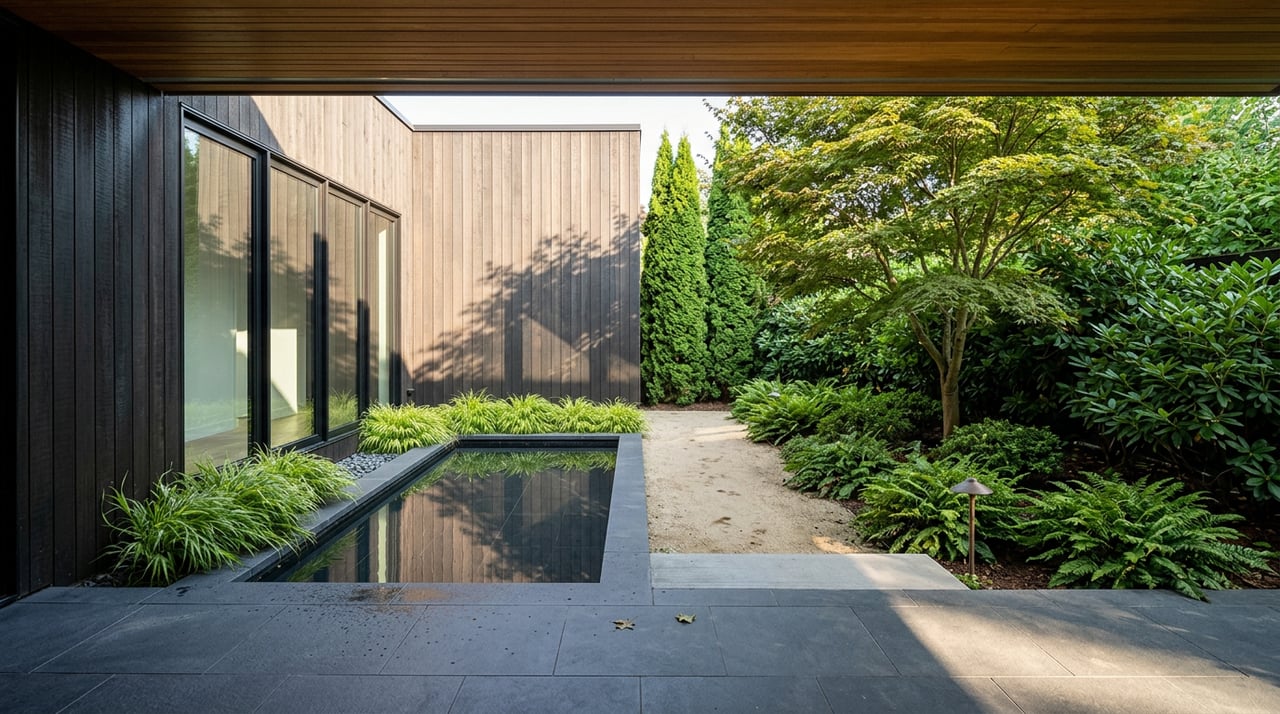
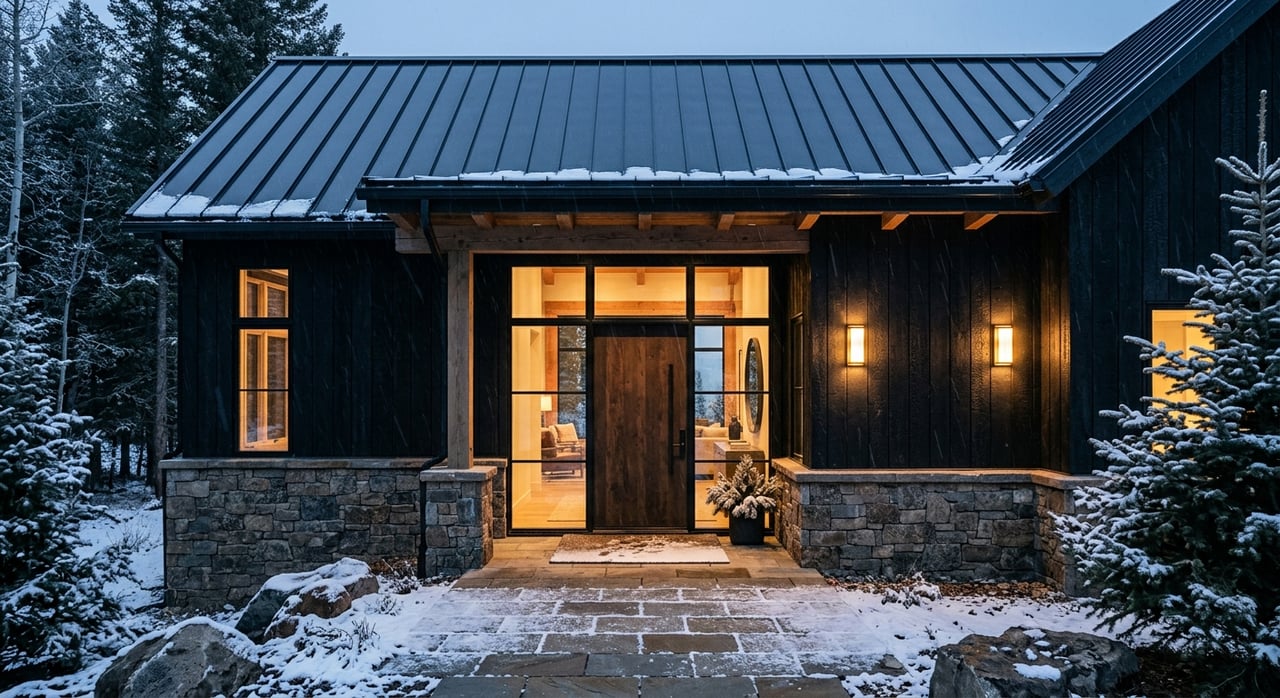
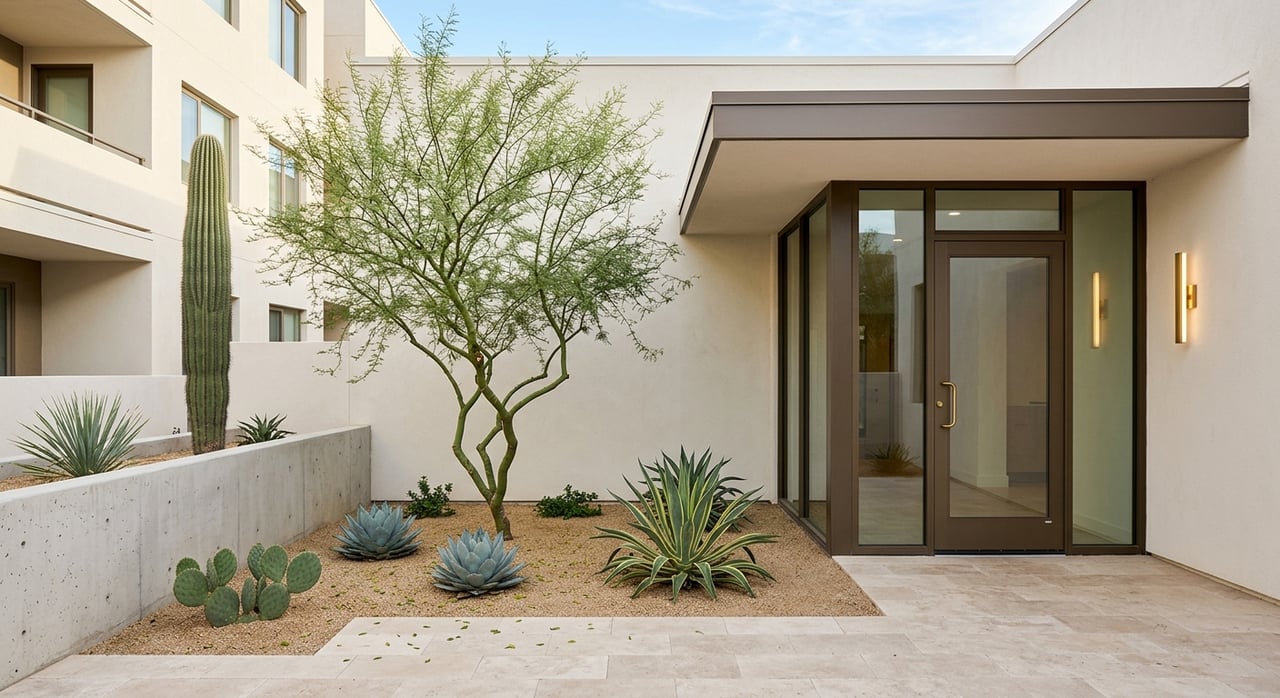
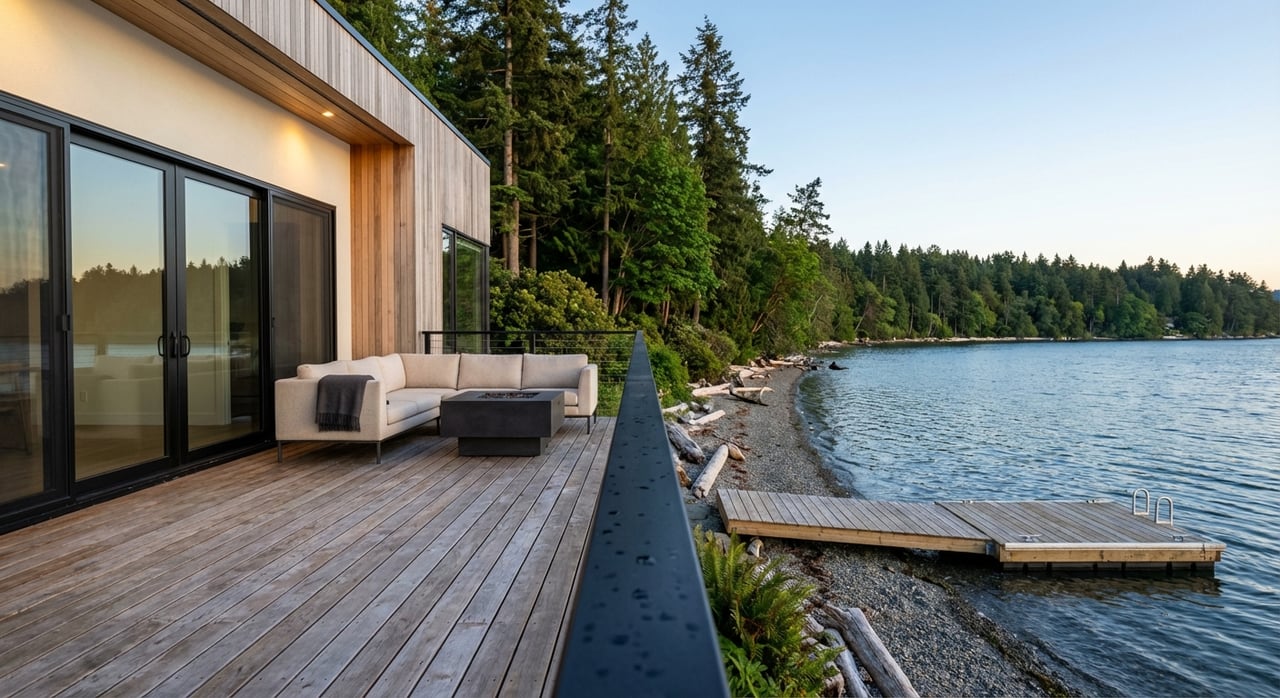
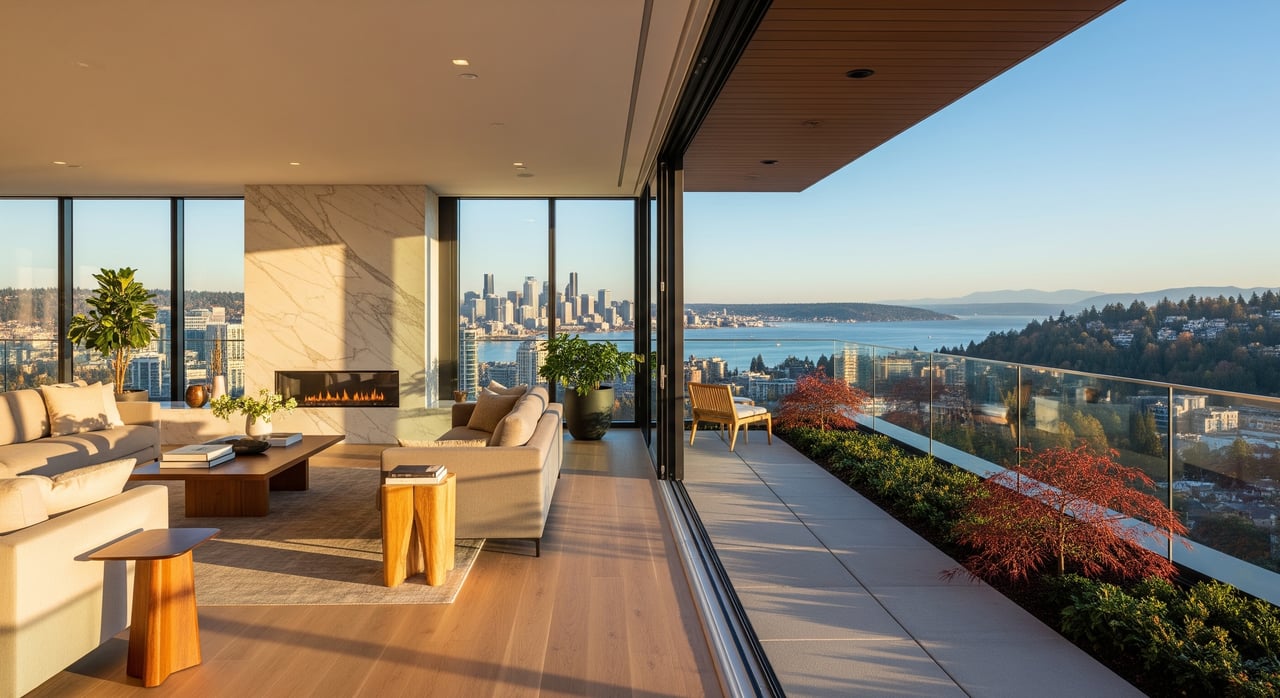
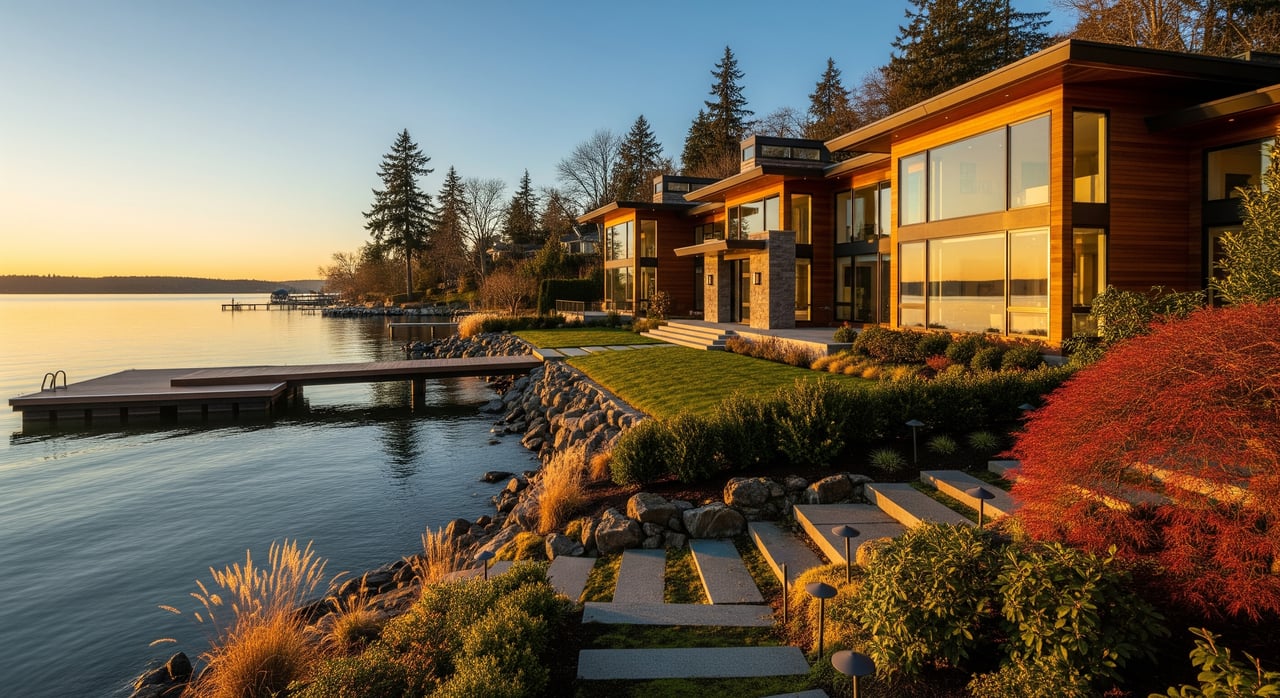
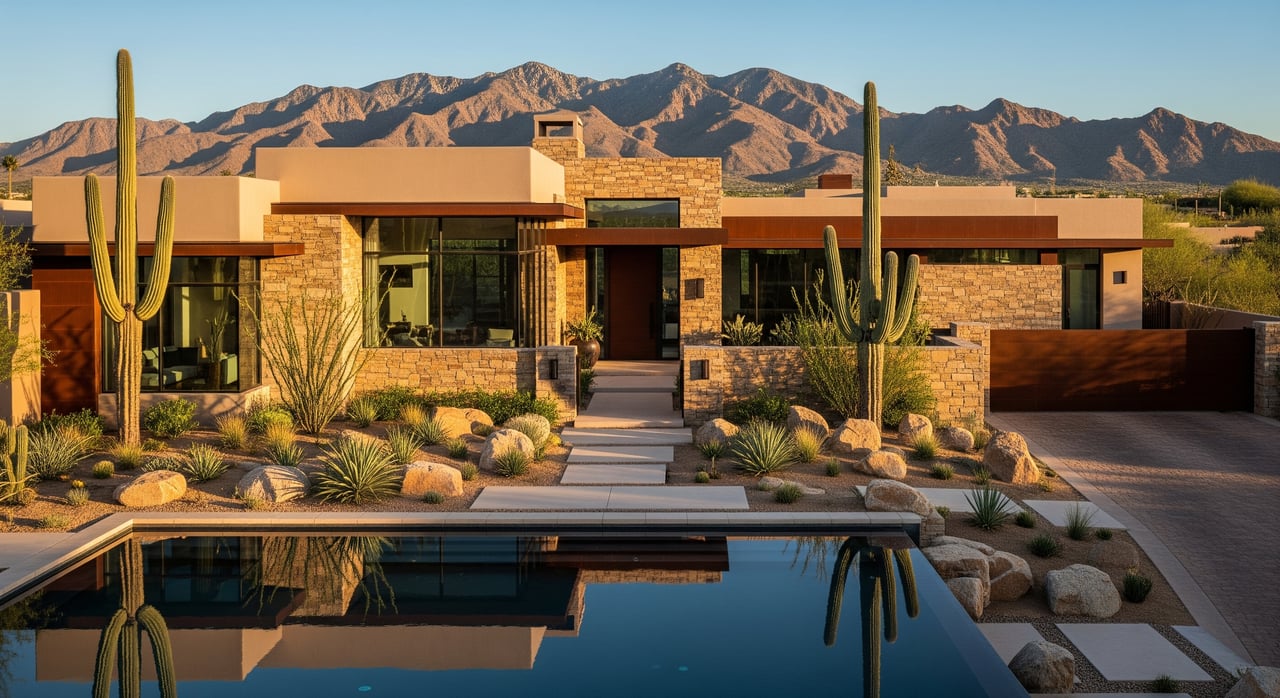
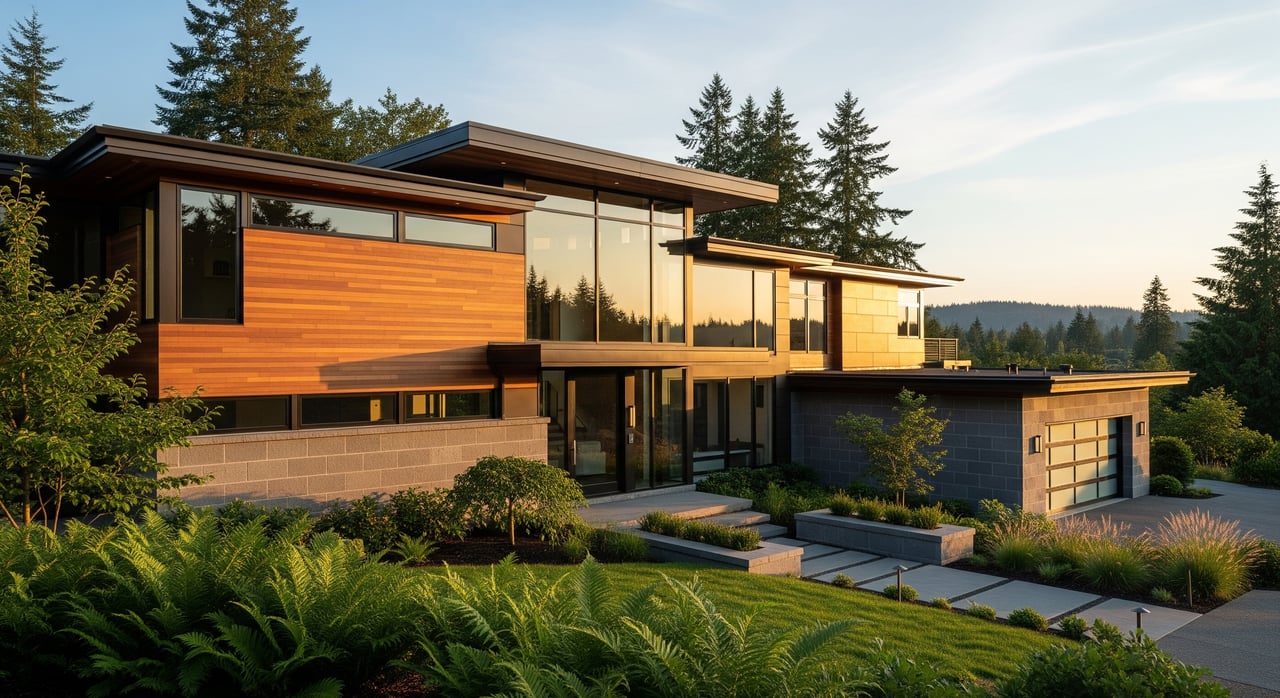
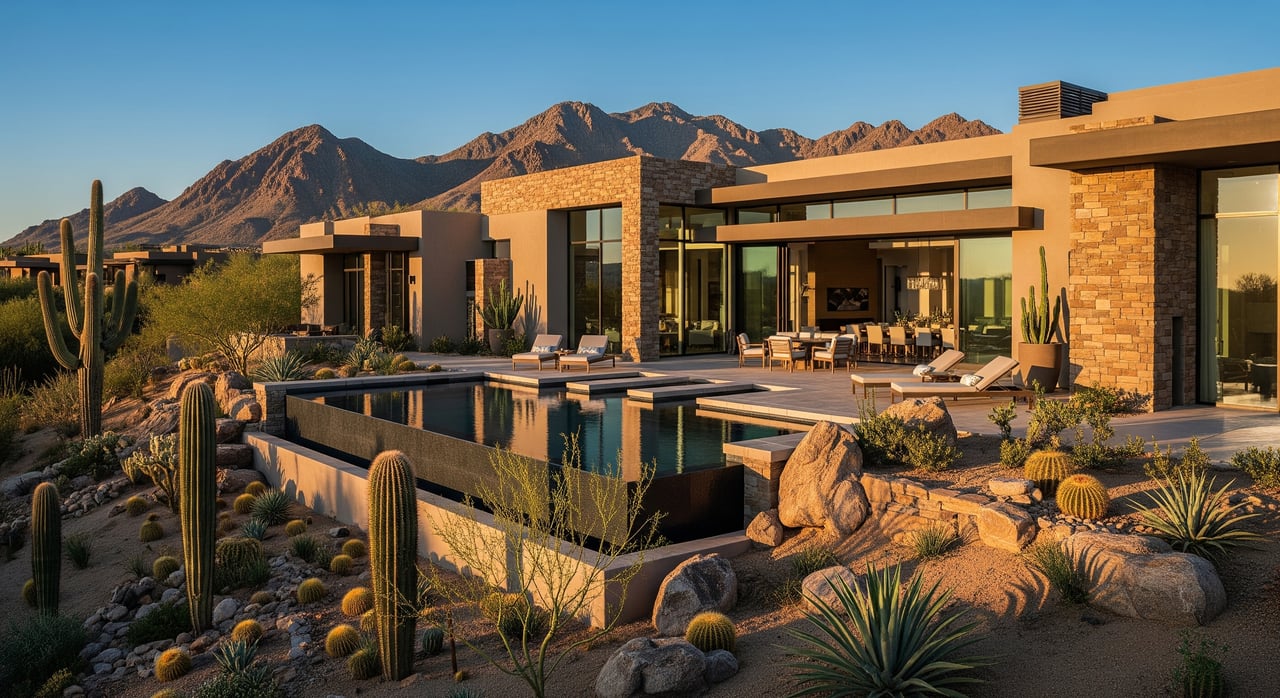
Bellevue and North Scottsdale serve different purposes, which is exactly why they work well as a dual-home plan. Bellevue functions as a strong year-round base with major employment, urban amenities, shoreline access, trails, and a well-developed park system. North Scottsdale offers a different rhythm centered on desert recreation, golf, preserve access, trails, and a resort-oriented lifestyle.
For many buyers, that means Bellevue makes sense as the primary home while North Scottsdale becomes the seasonal retreat or warm-weather escape. If you work in the Seattle area, want to stay close to Eastside amenities, or need a full-time base, Bellevue supports that role well. If you want sun, outdoor living, and a home designed for part-time use, North Scottsdale often fills that need naturally.
This pairing also works because travel between the two regions is practical. Seattle-Tacoma International Airport lists Phoenix as a nonstop domestic destination, and Phoenix Sky Harbor lists Seattle-Tacoma among its nonstop routes. That makes seasonal travel, quick inspection trips, and flexible stays much easier to manage.
How the Two Markets Move Differently
One of the biggest reasons to plan carefully is that Bellevue and North Scottsdale do not move at the same pace. In March 2026, Bellevue had a median sale price of $1.5 million, and homes sold in about 8 days. North Scottsdale had a median sale price of $1.33 million, and homes sold in about 56 days.
That difference matters. Bellevue is a more competitive market, so buyers usually need to move quickly, have financing lined up, and be ready to make strong decisions fast. North Scottsdale typically gives you more time to tour homes, compare options, and negotiate terms, even though standout properties can still move quickly.
If you are buying and selling at the same time, this creates a very practical sequence. In many cases, the Bellevue side needs tighter preparation first. North Scottsdale may offer more flexibility as the second step, especially if you are trying to coordinate proceeds, timing, or seasonal travel.
Why Seasonality Matters in North Scottsdale
North Scottsdale has a clear seasonal pattern tied to climate. Scottsdale’s tourism strategy points to fall, winter, and spring as the strongest seasons for outdoor programming. That lines up closely with how many second-home owners use the area.
If your goal is to spend more time outdoors, entertain, golf, or enjoy trail access, the cooler months usually offer the easiest fit. Scottsdale is known for golf destinations, preserve access, extensive trails, and outdoor events, all of which support a seasonal ownership model. This makes North Scottsdale especially attractive if you want a home that feels like a retreat during the times of year you plan to use it most.
Bellevue is different. Its housing market is better understood as a year-round market tied to jobs, urban living, neighborhoods, and everyday convenience. That makes it a more natural anchor if one of your two homes needs to support daily life, work, or a longer annual stay.
Best Property Types for a Dual-Home Strategy
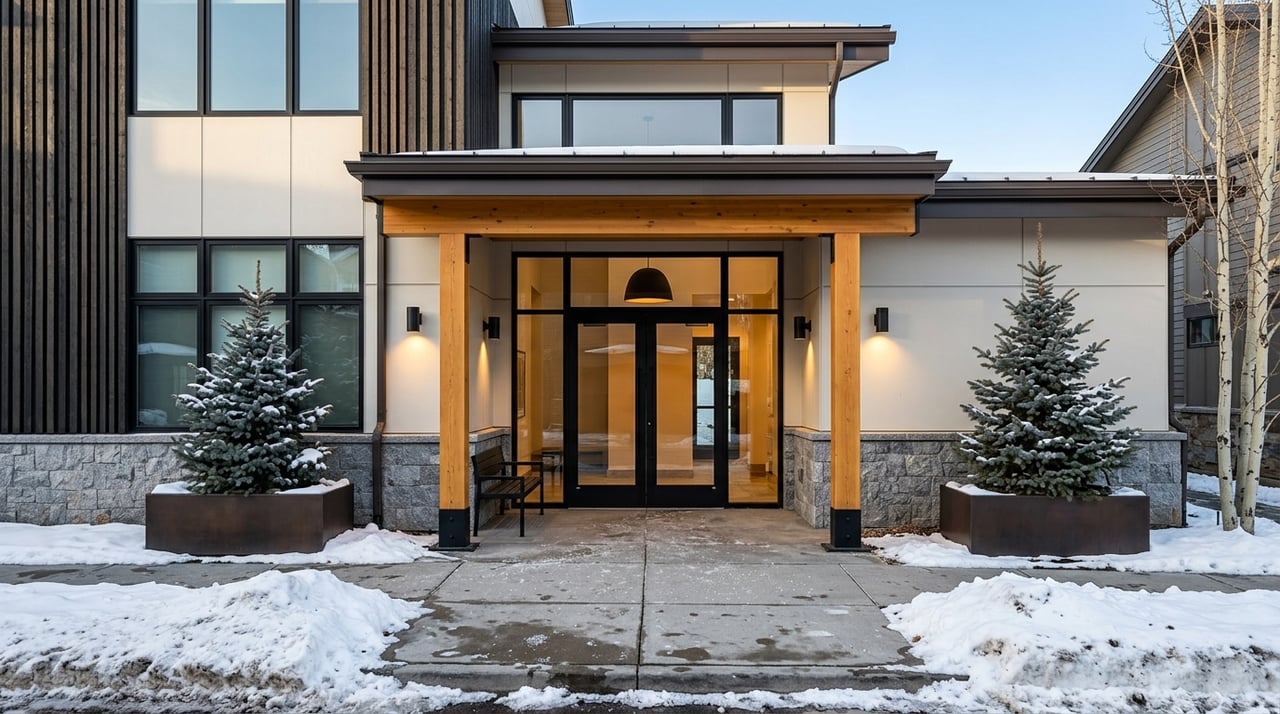
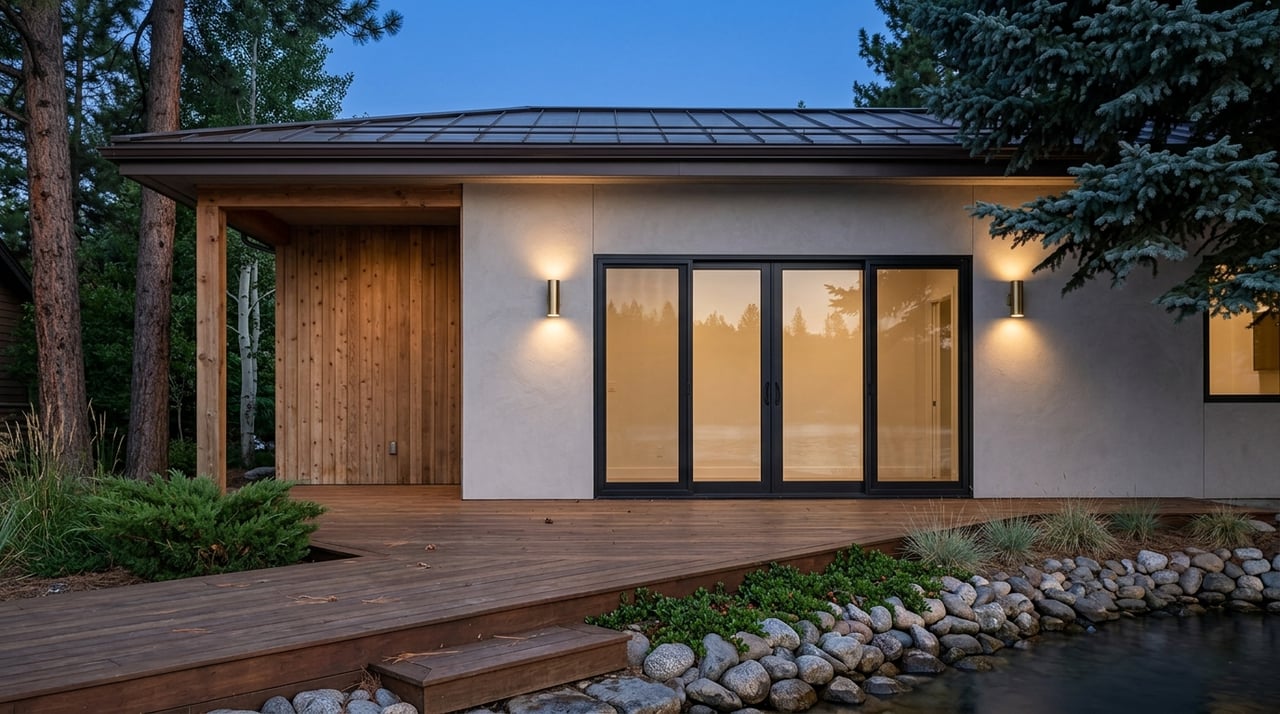
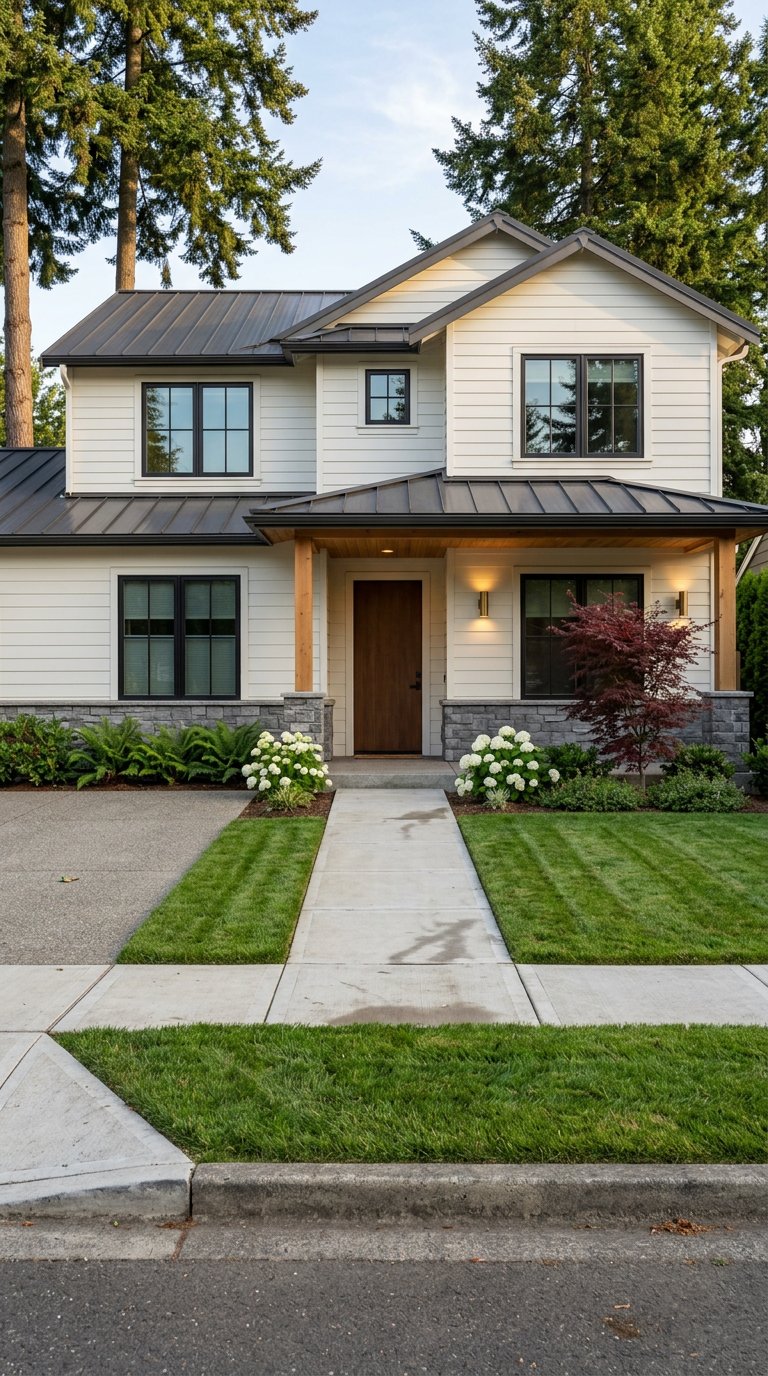
The right property type depends on how you plan to split your time. In Bellevue, many dual-home buyers are drawn to condos and townhomes because they offer a lower-maintenance option and can work well for lock-and-leave living. If Bellevue will be your primary residence, a single-family home may still be the better fit, especially if you want more space or a more traditional full-time setup.
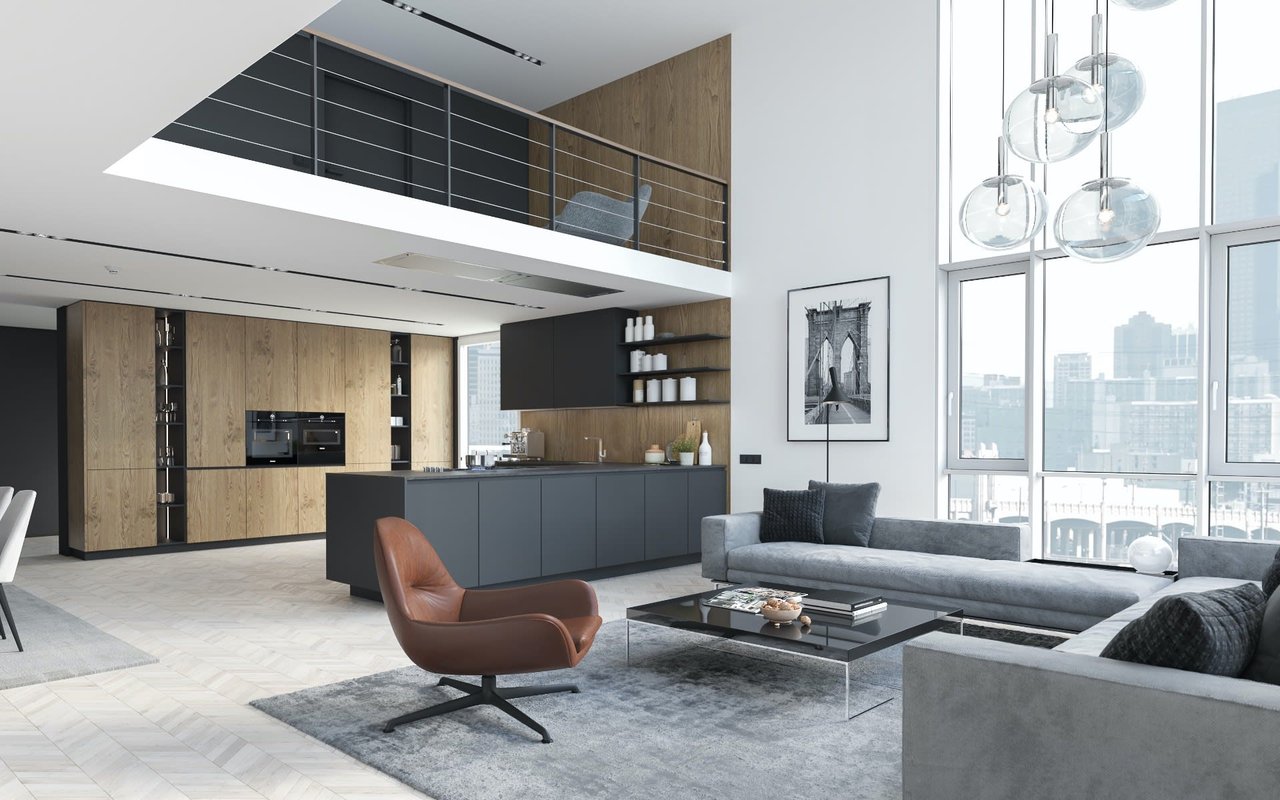
Bellevue’s housing options support several approaches. Downtown high-rise living can suit buyers who want convenience and easier maintenance. Residential areas can make sense if your year-round plan calls for more privacy, more square footage, or a longer-term base.
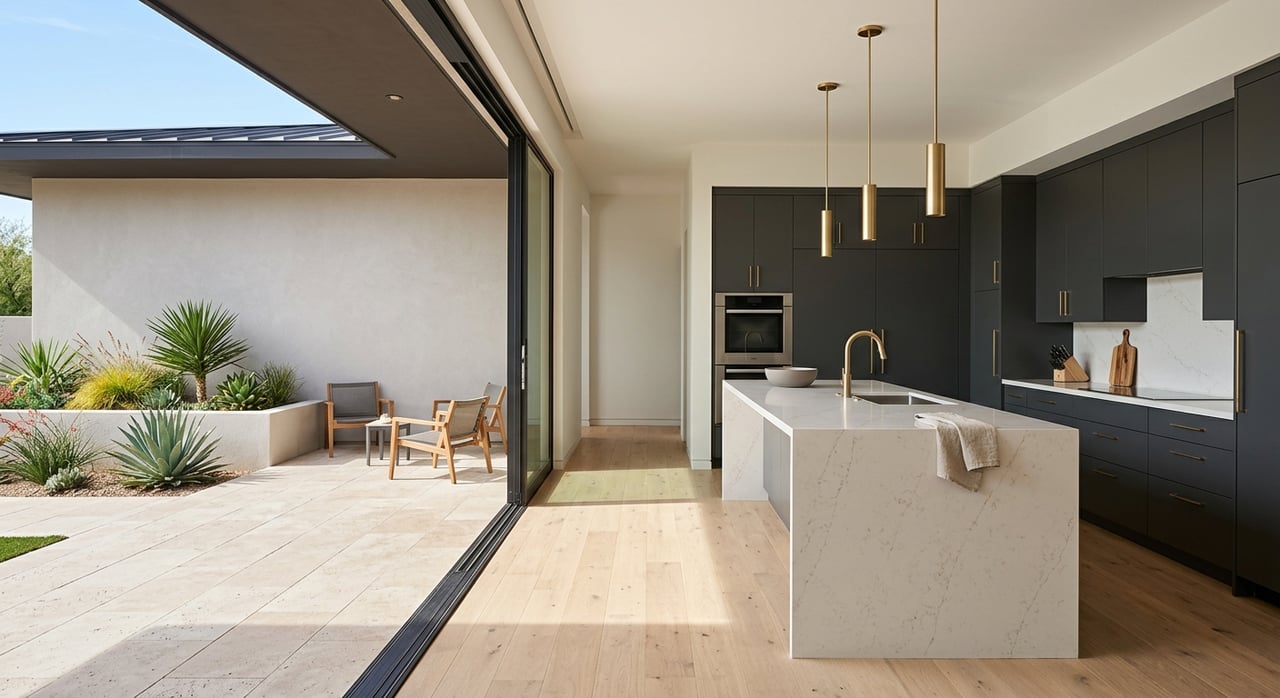
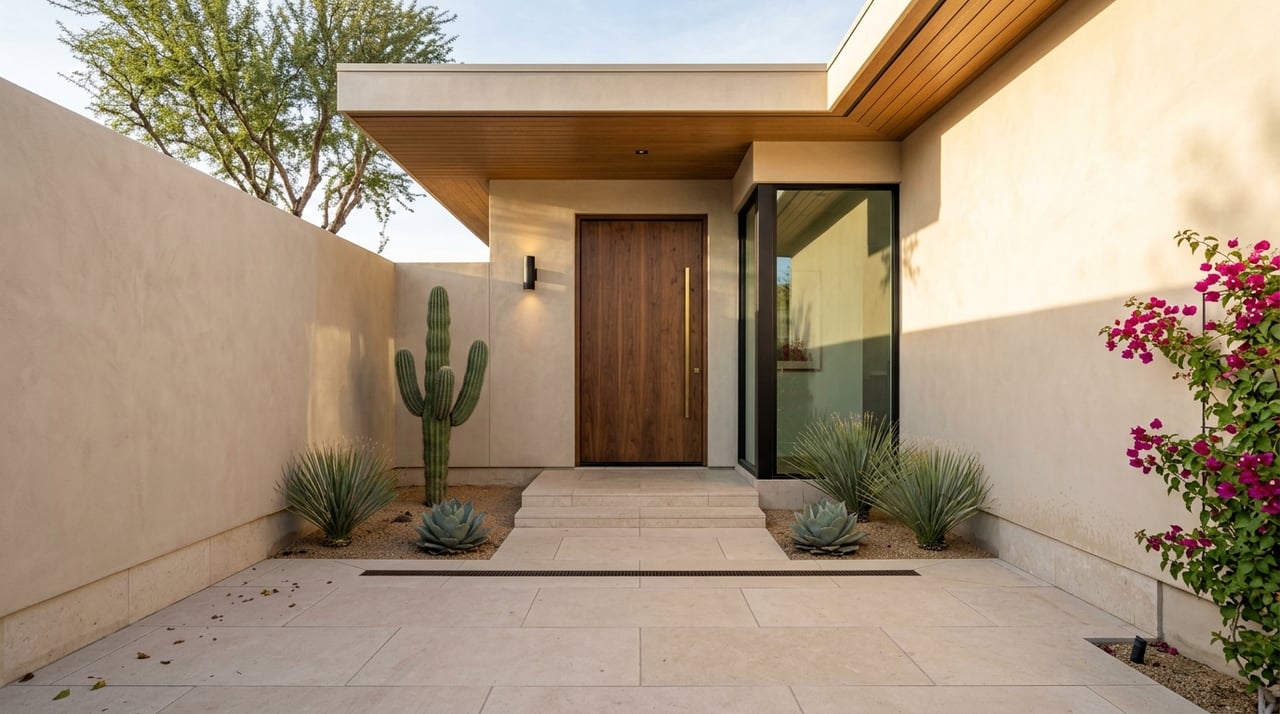
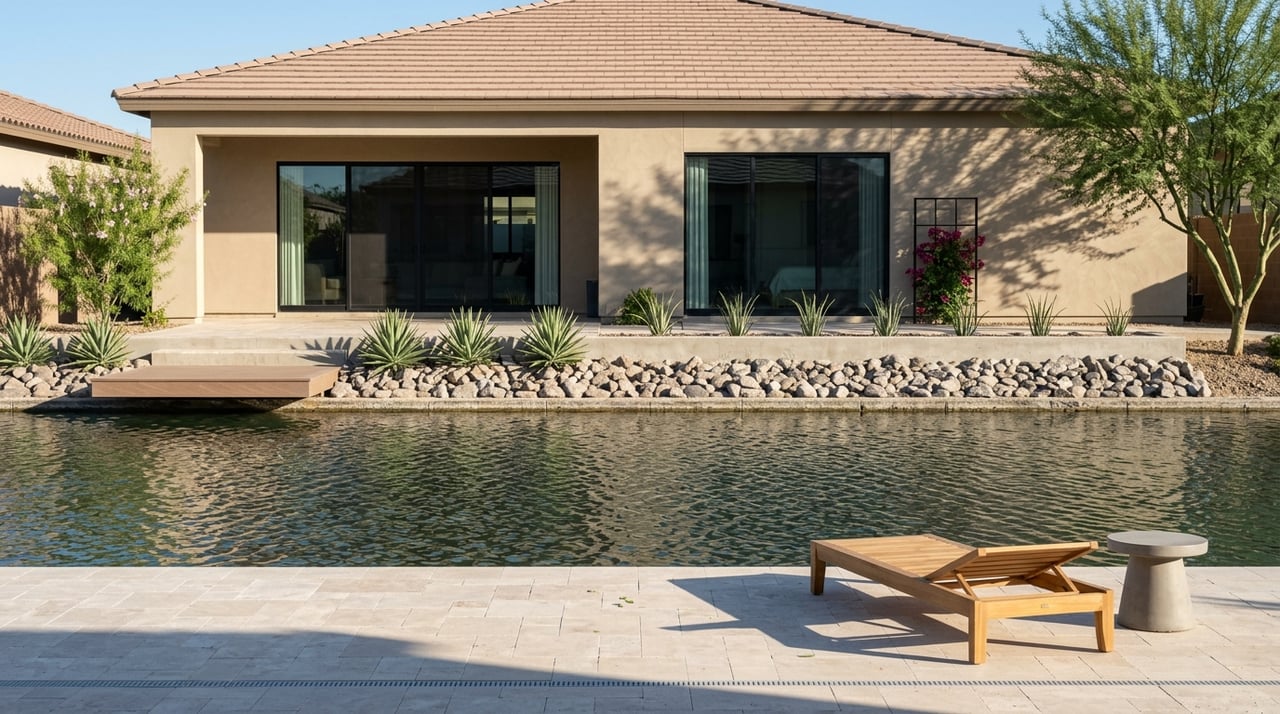
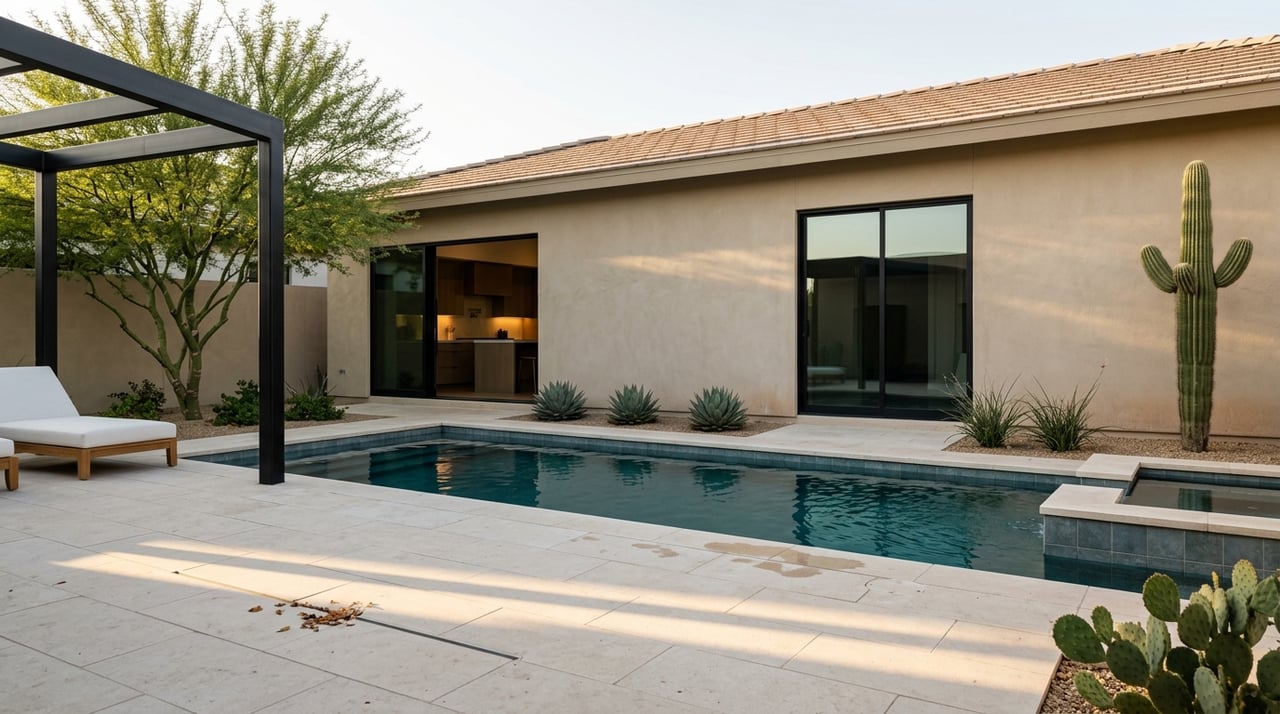
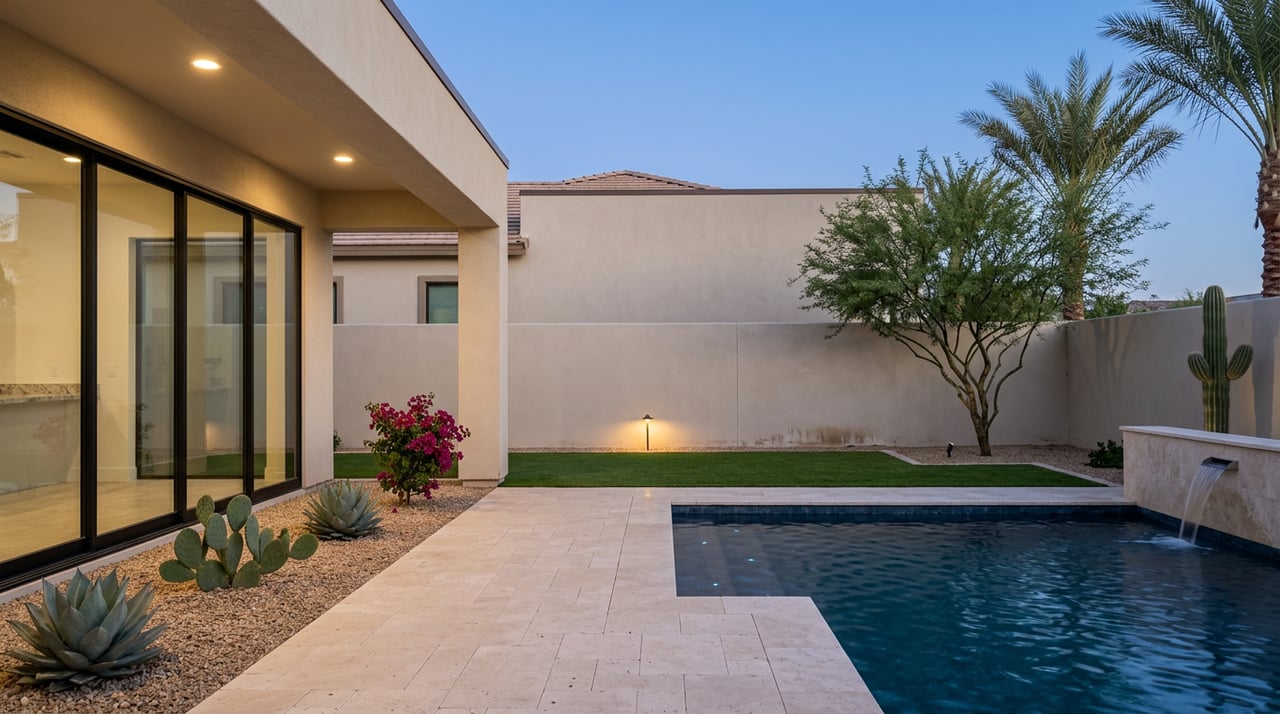
In North Scottsdale, the fit is often even more lifestyle-driven. Estate homes, golf-community homes, resort-adjacent properties, and low-maintenance condos or townhomes can all work well for part-time desert living. The best choice usually comes down to how much upkeep you want, how often you will be there, and whether the home is meant for personal use only or occasional rental use.
For seasonal ownership, practical features matter. Homes with strong cooling systems, shaded outdoor living areas, pool maintenance support, and lower exterior upkeep can be especially useful. If you want a true lock-and-leave property, that should be part of your search criteria from day one.
Key Tax and Ownership Points to Review
Before you close on a two-home plan, you should decide which property will be your primary residence. That is especially important in Arizona. Maricopa County states that a homeowner can have only one primary residence under Arizona law, and it defines that home as the main home where the owner lives more than 7 months of the year.
That primary residence choice can affect property classification, documentation, and your broader residency strategy. It also gives your planning team a clear starting point if you are coordinating across two states. For many dual-home owners, this is one of the first conversations to have before an offer is written.
The tax landscape also differs between Washington and Arizona. Washington does not have an individual income tax, but it does impose a capital gains tax on certain long-term gains, with real estate exempt from that capital gains tax. At the same time, real property sales in Washington are generally subject to real estate excise tax unless an exemption applies.
Arizona taxes residents on income, and for tax year 2025 the individual income tax rate is 2.5% across all income levels and filing statuses. In Maricopa County, the assessor determines property value and the treasurer sends the property tax bill. These are not details you want to sort out late in the process.
If you plan to rent either home for part of the year, federal vacation-home rules also matter. The IRS says a dwelling used personally for more than the greater of 14 days or 10% of the days rented at a fair rental price is treated as a residence for federal tax purposes. There is also a special rule for renting a home for fewer than 15 days.
How to Sequence a Bellevue and North Scottsdale Move
A dual-home purchase goes more smoothly when you break it into clear stages. The first stage is deciding how each home will function. Will Bellevue be the primary base and North Scottsdale the seasonal home? Or are you transitioning over time and still testing how the split will work?
The second stage is sequencing around market speed. Bellevue’s fast pace means your financing, pre-approval, and purchase strategy should be ready early. If you are selling one home to fund the other, this is where timing becomes especially important.
The third stage is building the right team before making assumptions. A real estate advisor, lender, CPA, and tax attorney can help align purchase timing, sale timing, financing, title questions, and residency planning. This is particularly important if one home may be rented part-time or if you are making a larger portfolio decision.
Here is a simple way to think about the process:
- Decide which home will be your primary residence
- Clarify whether either property may be rented
- Prepare for Bellevue’s faster market conditions early
- Use North Scottsdale’s slower pace to compare options carefully
- Coordinate timing with your lender and tax professionals before closing
What Buyers Often Overlook
Many buyers focus first on price, style, and location. Those all matter, but a dual-home plan also depends on logistics. Travel frequency, maintenance expectations, seasonal use, and how quickly you may need to move in one market versus the other can all shape the right decision.
Another common oversight is choosing a home that does not match how you really plan to live. A large property can be appealing, but if you will only use it seasonally, a lower-maintenance option may serve you better. On the other hand, if Bellevue will be your true year-round base, convenience alone may not outweigh the value of space and long-term livability.
The strongest two-home plans are usually not built around impulse. They are built around clarity. When you know how each property fits your year, your finances, and your travel patterns, the search becomes far more focused.
Why Strategic Guidance Matters
Buying across two very different markets takes more than general real estate knowledge. Bellevue and North Scottsdale each have their own pace, inventory mix, and ownership considerations. A strong plan comes from understanding both sides together, not just one market at a time.
That is where a dual-market advisor can add real value. When your purchase involves timing, relocation, second-home planning, or a coordinated sale, you benefit from guidance that keeps the full picture in view. The goal is not just to buy two homes. The goal is to make both homes work well together.
If you are exploring a Bellevue and North Scottsdale lifestyle, Denise OConnell can help you build a thoughtful, well-timed strategy for both markets.
FAQs
How do Bellevue and North Scottsdale differ in market speed?
- Bellevue is the faster market, with homes selling in about 8 days in March 2026, while North Scottsdale moved more slowly at about 56 days.
What property types work best for a Bellevue and North Scottsdale dual-home plan?
- In Bellevue, condos, townhomes, and single-family homes can all fit depending on whether it is your primary base, while in North Scottsdale, resort-adjacent homes, golf-community properties, estate homes, and low-maintenance condos or townhomes often suit seasonal living.
Why does primary residence status matter for a North Scottsdale home?
- Maricopa County states that a homeowner can have only one primary residence under Arizona law, and it is defined as the main home where the owner lives more than 7 months of the year.
What should you plan first when buying in Bellevue and North Scottsdale?
- Start by deciding which home will be your primary residence, then line up financing, timing, and any tax or rental-use conversations before moving into active negotiations.
Can you rent out a Bellevue or North Scottsdale second home part of the year?
- Possibly, but federal vacation-home rules may affect how the property is treated for tax purposes, so it is important to review your planned personal use and rental use with your tax professionals.